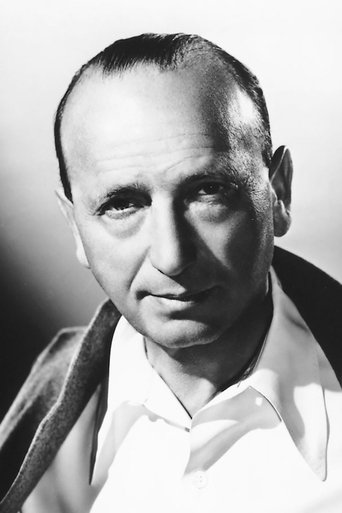
Michael Curtiz was born Manó Kaminer in Budapest in 1886, arriving in Hollywood in the early 1920s with an already legendary reputation across European cinema. His appetite for storytelling was matched only by his appetite for work–he would direct over one hundred films across five decades, moving with restless energy from swashbucklers to melodramas to crime dramas. By the 1940s, Curtiz had become Warner Bros.' most reliable virtuoso, the director Jack Warner called upon when a project demanded both commercial savvy and artistic integrity.
Curtiz approached film noir with the same technical mastery he brought to any genre, but with a particular gift for psychological penetration. Where some directors saw noir as a style, Curtiz saw it as a vehicle for exploring the fractured American character–the corruption latent in institutions, the desperation that drives ordinary people to extraordinary crimes. His noir films are marked by restless camerawork, deliberately off-kilter compositions, and a fatalistic view of human weakness that never descends into melodrama.
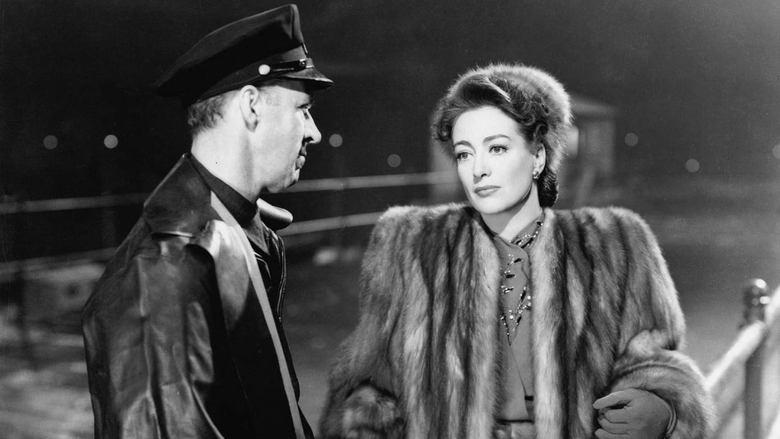
Mildred Pierce (1945) and Casablanca (1942) remain his most celebrated works, though they operate in different registers. The former is a masterwork of the woman's picture intersecting with noir psychology, tracing a mother's moral degradation through love and ambition. Casablanca achieved a kind of mythic inevitability that transcends categorization, its emotional and moral resonances deepening with time. Both films showcased Curtiz's ability to sustain complex narratives and extract nuanced performances from his actors.
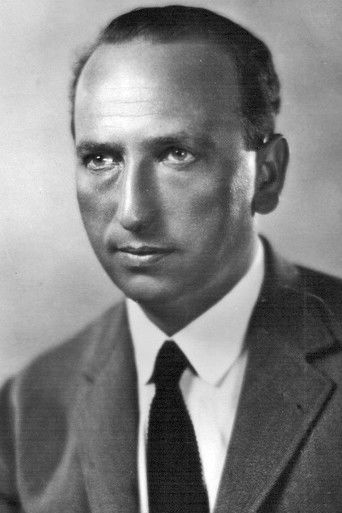
Curtiz won the Academy Award for Best Director for Mildred Pierce in 1946, cementing his status as Hollywood's most productive and versatile master craftsman. He continued directing into the 1960s with undiminished energy, though his later noir and crime films rarely matched the psychological intensity of his 1940s work. His legacy rests not on consistency of vision but on a consistent excellence across a staggering range of material.
Curtiz embodied the golden-age studio director–a tireless, technically innovative craftsman who moved fluidly between genres, never retreating into auteurist preciousness. His noir films emerged from the same disciplined mastery that defined his entire oeuvre, driven by visual precision and psychological acuity rather than thematic obsession.