Films People Pull a Fast One Night Beat Reading Room On TV Shop
Writer · The Playwright's Moral Vision

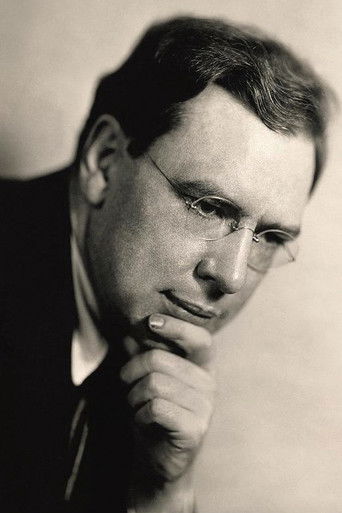
Maxwell Anderson

BornDecember 3, 1888, Atlantic, Pennsylvania
DiedFebruary 28, 1959, Stamford, Connecticut
Noir Films4 films
Peak Years1945–1955
Photo: TMDB
Scroll

Maxwell Anderson (1888–1959) was one of America's most celebrated playwrights, whose influence on noir cinema derived primarily from his stage works adapted to film rather than original screenplays. Born in Atlantic, Pennsylvania, Anderson established himself as a literary figure of the first rank, winning the Pulitzer Prize for Drama in 1933 for *Both Your Houses*. His reputation rested on intelligent, character-driven narratives that probed moral questions with the rigor of classical drama. By the 1940s, his plays had become prime material for Hollywood producers seeking prestige properties with psychological depth.

Anderson's entry into noir cinema came through adaptation rather than original work. His 1939 stage play *Key Largo*, later filmed by John Huston in 1948, became one of the most iconic crime dramas of the era, featuring Humphrey Bogart and Lauren Bacall as characters trapped with a ruthless gangster in an isolated hotel. The play's claustrophobic tension and examination of moral courage under threat made it ideal noir material. Similarly, *The Bad Seed* (1954), adapted from his 1954 play of the same name, offered a chilling portrait of sociopathy and parental guilt that shocked audiences with its unflinching psychological realism.

Anderson's *Key Largo* transplanted Greek tragedy into an American gangster tale–a play about courage, integrity, and the price of moral compromise. – Film historian Thomas Schatz

Anderson's theatrical background shaped his approach to noir material fundamentally differently from screenwriters bred in Hollywood studios. He privileged dialogue, internal conflict, and philosophical stakes over action sequences or visual trickery. His characters speak in measured, sometimes ornate language that reflects their education and moral sophistication. This literary quality, while occasionally at odds with noir's visual economy, gave his adapted works a gravitas and intellectual weight that elevated them beyond conventional crime melodrama. His influence extended through producers and directors who valued his source material for its narrative intelligence.

Anderson remained primarily a man of the theater throughout his life, viewing Hollywood primarily as a market for his stage successes rather than as a creative home. Yet his presence in noir cinema–however tangential–represented the legitimization of the genre through association with serious American letters. His death in 1959 marked the end of an era when stage-trained writers with classical education could shape popular cinema. His legacy in noir rests less on volume than on the quality and moral seriousness he brought to the genre through his most celebrated works.

Noir Archetype The Literary Moralist

Anderson brought the weight of stage drama and ethical inquiry to noir cinema, adapting and writing works that examined human corruption and redemption through a philosophical lens. His noir scripts favored psychological complexity and moral ambiguity over pure visual style, making him a bridge between theatrical tradition and cinematic modernism.
The Scene That Defines Them

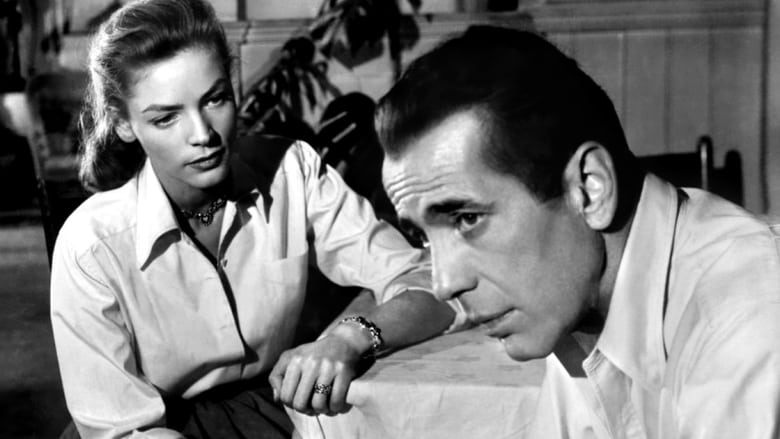
Key Largo
Key Largo – 1948

Rocco's Final Monologue

Final act, climax

In the hotel's claustrophobic dining room, gangster Rocco Lasala (Edward G. Robinson) confronts Frank McCloud (Humphrey Bogart) with a philosophical inquiry into morality and survival. The scene distills Anderson's central preoccupation: whether a man of conscience can compromise his principles in the face of evil, or whether such compromise is itself a form of moral death. Robinson's measured delivery and the scene's deliberate pacing–avoiding violence in favor of verbal and psychological tension–exemplify Anderson's literary approach to noir.

The Noir Canon

YearFilmRoleDirector
1948Key Largo– (playwright, source material)John HustonEssential
1956The Wrong Man– (source: true case; script by Maxwell Anderson)Alfred HitchcockEssential

The Road In

1911
First published work in *The Nation*

Anderson began his career as a poet and essayist, contributing to major American periodicals before establishing himself as a dramatist.

1924
*What Price Glory?* opens on Broadway

Co-written with Laurence Stallings, this World War I drama established Anderson as a major theatrical voice and demonstrated his gift for moral inquiry within historical contexts.

1933
Pulitzer Prize for *Both Your Houses*

Anderson's political satire about Congressional corruption won the nation's highest dramatic honor, cementing his status as America's leading serious playwright.

1939
*Key Largo* opens on Broadway

Anderson's play about moral courage under threat becomes an immediate success, establishing the psychological and philosophical template that will define his noir adaptations.

1948
*Key Largo* film released

John Huston's adaptation brings Anderson's play to the screen with Humphrey Bogart, establishing Anderson's presence in noir cinema as a source of prestige literary material.

1956
*The Wrong Man* released

Hitchcock's film, scripted by Anderson, is based on the true case of Manny Balestrero, wrongly accused of robbery. It demonstrates Anderson's ability to find noir tragedy in factual events.

1954
*The Bad Seed* opens on Broadway

Anderson's play about a sociopathic child becomes a cultural sensation and is rapidly adapted to film, showcasing his continued relevance and his willingness to explore dark psychological territory.

1954
*The Bad Seed* film released

Mervyn LeRoy's adaptation becomes one of the most shocking and discussed noir-adjacent films of the decade, proving Anderson's material could generate both critical respect and popular sensation.