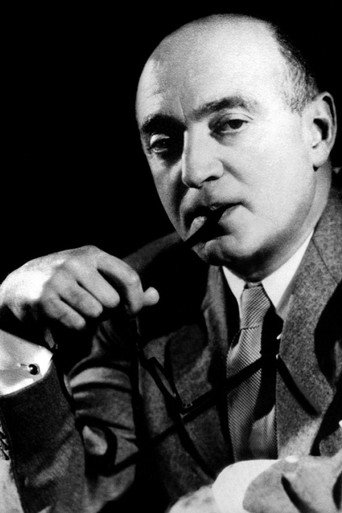
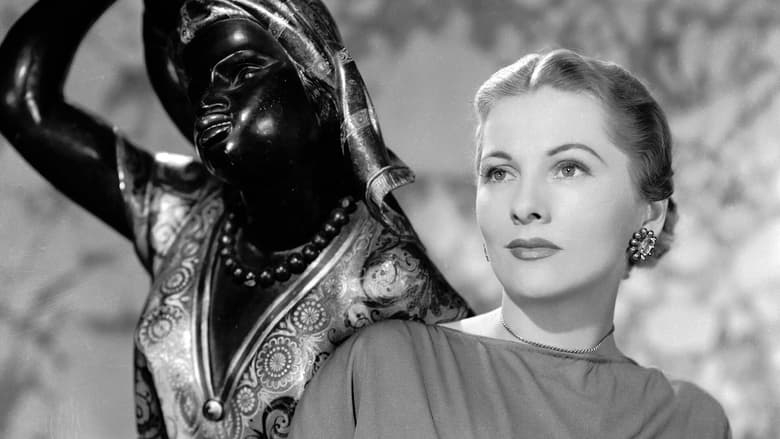
Max Ophüls was born in Frankfurt am Main into a cultured, assimilated Jewish family whose very refinement would eventually mark him for displacement. After studying philosophy and literature, he turned to theater direction, earning early acclaim in Vienna and Berlin for his psychological sophistication and visual inventiveness. The rise of Nazism severed him from German soil in 1933, forcing a peripatetic exile through France, Italy, and Hollywood–a displacement that would infuse his Hollywood work with a tragic awareness of lost worlds and irretrievable pasts.
In America, Ophüls initially labored in secondary projects and remakes, his European sensibility deemed incompatible with studio pragmatism. Not until the 1940s, when the noir movement's embrace of moral corruption and visual expressionism created unexpected common ground, did his genius find American expression. Working with neurotic leading men and trapped heroines, he discovered that noir's shadow aesthetic could contain the romantic melancholy and philosophical resignation that defined his worldview–a cinema of fatalism masquerading as thrills.
His masterpieces–Caught, The Reckless Moment, and most triumphantly Letter from an Unknown Woman–form a trilogy of entrapment where neither money nor love nor bourgeois respectability can shield characters from the designs of fate. Ophüls's technique became his meaning: the camera's circling movements, the baroque mise-en-scène, the almost operatic crescendos of emotion transformed pulp material into meditations on the human condition. His influence extended far beyond noir, shaping the entire sensibility of post-war European cinema.
Though his Hollywood period remained frustratingly brief–barely a decade before studio indifference and his failing health curtailed opportunities–Ophüls created works that transcended their genre classification. He died in exile, as he had lived, carrying the memory of old Vienna in his heart. His legacy rests not in quantity but in the revolutionary understanding that cinema could be simultaneously entertaining and philosophically profound.
Ophüls belongs to that rare breed of noir directors for whom moral ambiguity and romantic doom are not merely plot devices but philosophical conditions. His camera–restless, circling, perpetually in motion–mirrors the inescapable machinery of fate that binds his characters. He transforms noir's shadow-world into a Vienna-haunted drawing room where passion and circumstance conspire with equal cruelty.