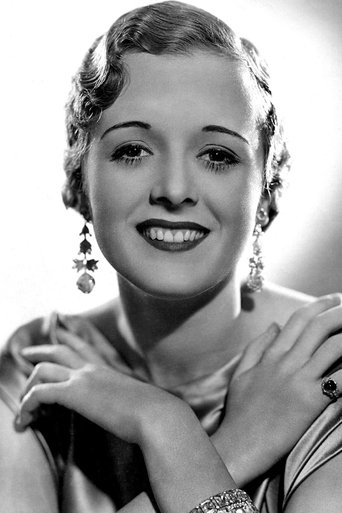
Mary Astor was born Lucile Vasconcellos Langhanke in 1906 in Quincy, Illinois, the daughter of a German immigrant father and American mother. She began her stage career as a teenager and entered silent cinema in 1921, quickly becoming one of Hollywood's most versatile leading ladies. By the 1930s and 1940s, she had already established herself as a distinguished dramatic actress, known for her cultured bearing and intelligence. When noir emerged as a distinct genre, Astor brought to it the gravitas of old Hollywood gentility–a quality that made her portrayals of morally compromised women particularly unsettling and persuasive.
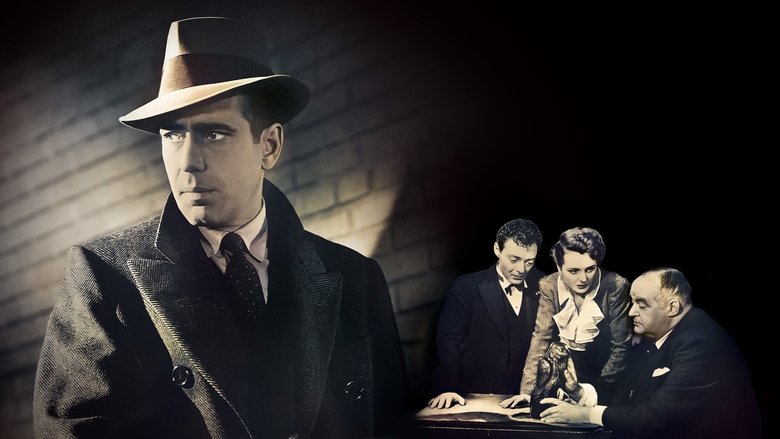
Astor's peak noir period coincided with her later career years, a span when her mature beauty and knowing eyes became even more potent. She appeared in some of the era's most significant crime dramas, often cast as sophisticated women implicated in schemes or betrayals. Her performance in The Maltese Falcon (1941) remains iconic: as Brigid O'Shaughnessy, she created a character simultaneously vulnerable and calculating, her layered acting revealing the desperation beneath the seduction. This role established her as a key figure in noir's vocabulary, influencing how actresses would portray morally ambiguous female leads.
Throughout the 1940s, Astor navigated noir's darker territories with remarkable consistency. In Act of Violence (1948), she portrayed a woman haunted by her husband's criminal past, conveying quiet dread and marital dissolution without melodrama. Her work in Desert Fury (1947) demonstrated her capacity for psychological complexity in roles that might have become caricatures in lesser hands. She brought to these films an aristocratic restraint that suggested inner turbulence–the kind of performance that made noir audiences believe in the intelligence and depth of female characters rather than merely objectifying them.
Astor's noir career demonstrated the advantages of maturity and experience in the genre. Unlike ingenues who relied on youth, she offered audiences characters with history, regret, and accumulated wisdom. Her later films revealed a performer unafraid of aging on screen or portraying women whose sexuality was no longer their primary weapon. She retired from acting in the early 1950s, leaving behind a legacy of intelligent, nuanced work that elevated noir beyond its pulp origins.
Mary Astor embodied a rare noir archetype: the femme fatale who possessed genuine intelligence and moral complexity rather than mere seductive surface. She played women caught between desire and conscience, often portraying figures whose schemes and betrayals masked deeper vulnerability. Her performances elevated the archetype beyond one-dimensional temptress into something genuinely tragic.