Marie Windsor was born Emily Marie Bertelsen in Marysville, Kansas, in 1919, the daughter of a Scandinavian-American family with modest means. She moved to California as a young woman and began her career in minor theatrical and film roles throughout the late 1930s and early 1940s. Her striking blonde hair, cool blue eyes, and gift for delivering lines with a dangerous edge gradually caught the attention of screenwriters and directors seeking actresses who could convey menace beneath beauty. By the mid-1940s, Windsor had developed a reputation as a reliable character actress capable of stealing scenes from more celebrated leads.
Windsor's ascent in noir cinema coincided with the genre's evolution toward psychological complexity and moral ambiguity. Unlike ingénues who played victimized heroines, she specialized in roles that revealed criminal cunning and emotional detachment. Her performance in Force of Evil (1948) demonstrated her capacity to embody a woman navigating a corrupt underworld with pragmatic intelligence. Throughout the late 1940s and early 1950s, Windsor appeared in a succession of prestigious crime dramas, building a filmography that rivals that of more celebrated noir actresses. Directors appreciated her professionalism, her ability to take direction, and her naturalistic style of delivery.
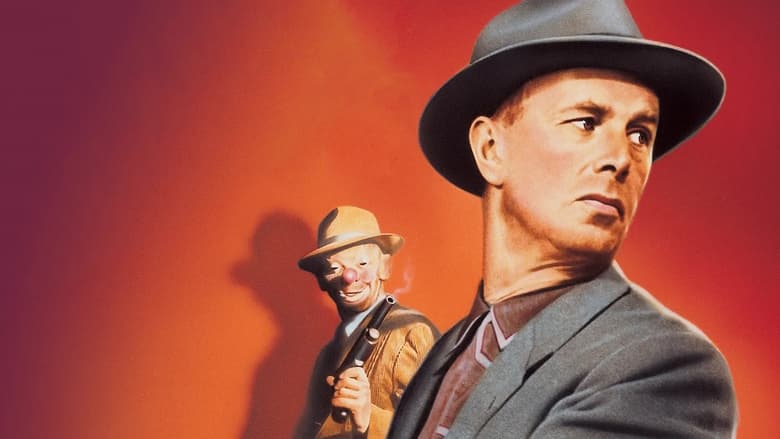
The pinnacle of Windsor's noir career came with Stanley Kubrick's The Killing (1956), in which she played Sherry Peatty, the duplicitous wife whose betrayal sets the film's tragic machinery in motion. Her scenes with Elisha Cook Jr. crackle with menace and bitter conjugal resentment, and her character's casual infidelity and greed drive the narrative toward its catastrophic conclusion. In The Narrow Margin (1952), she demonstrated her range by playing against type–a seemingly innocent widow whose appearances prove deceptive. These performances solidified her status as one of noir's most intelligent and unsentimental actresses, an artist who refused to rely on sympathy or victimhood.
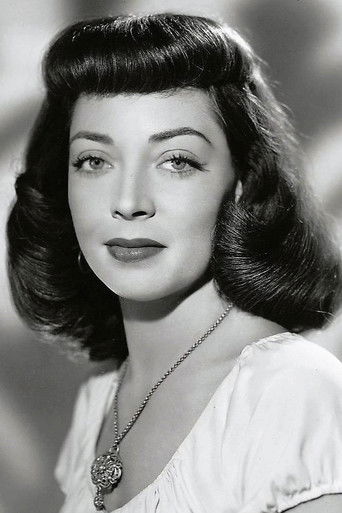
Windsor's noir period began to wane in the late 1950s as the genre itself declined, though she continued working steadily in television, Westerns, and B-pictures well into the 1970s. She never achieved the international fame of contemporaries like Ava Gardner or Rita Hayworth, yet serious critics and scholars have come to recognize her as one of noir's most capable and distinctive performers. She passed away in 2000, leaving behind a body of work that demonstrates the femme fatale was not merely a projection of masculine anxiety but could be rendered as a fully realized, intelligent character capable of matching any male protagonist in cunning and moral complexity.
Marie Windsor embodied the calculated, morally ambiguous woman who uses cunning and allure as weapons. Her characters rarely possessed the tragic vulnerability of other noir heroines; instead, they were shrewd operators who understood the criminal underworld as well as any man, often serving as architects of deception rather than mere pawns.