Films People Pull a Fast One Night Beat Reading Room On TV Shop
Actor · The Husky-Voiced Temptress

Lizabeth Scott

BornSeptember 29, 1922, Scranton, Pennsylvania
DiedJanuary 31, 2015, Los Angeles, California
Noir Films12 films
Peak Years1945–1950
Photo: TMDB
Scroll

Born Emma Matzo in Scranton, Pennsylvania, Lizabeth Scott emerged from theatrical training to become one of Hollywood's most distinctive noir presences. Her husky, almost musical speaking voice–honed through stage work–became her signature, instantly recognizable and deeply evocative of smoky nightclubs and dangerous intrigue. Moving to Los Angeles in the mid-1940s, she quickly caught the attention of producers seeking fresh faces for the crime-thriller boom. Her early roles established her as a performer of uncommon intelligence and presence, capable of conveying moral complexity within genre constraints.

Scott's peak years, 1945–1950, coincided with noir's golden age, and she appeared in some of the era's most stylish productions. In Dead Reckoning (1947), she captivated opposite Humphrey Bogart, her mysterious backstory and breathy delivery creating a character of genuine ambiguity. I Walk Alone (1947) and Too Late for Tears (1949) further cemented her reputation as a leading lady of crime drama, where she could anchor narratives as effectively as any male star. She worked frequently with top-tier directors and regularly shared screen time with Hollywood's biggest names, proving her commercial and artistic value.

Scott brought a tragic intelligence to the femme fatale, suggesting women who were dangerous not from calculated evil but from desperation and circumstance. – Silver & Ward, Film Noir: An Encyclopedic Reference

What distinguished Scott from her noir contemporaries was her refusal to be typed solely as either victim or villain. Her characters often navigated morally gray situations with a realism that suggested genuine psychological struggle rather than mere plot convenience. The intelligence in her eyes and the world-weariness in her voice suggested women who had lived, suffered, and made complicated choices. Her later film work grew sparser as noir itself declined, but she remained a figure of enduring fascination for critics and audiences who recognized her as more than decoration–a genuine dramatic talent working within a magnificent genre.
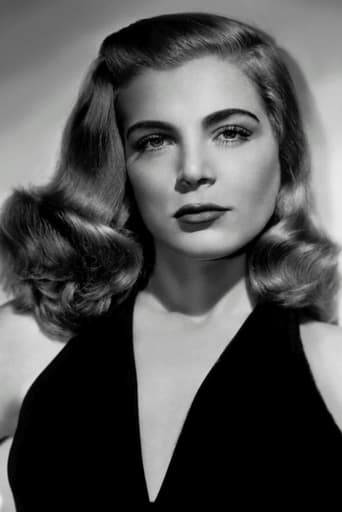
Lizabeth Scott

Scott's career extended beyond noir into television and occasional film roles, though none matched the intensity of her 1940s work. Her legacy rests primarily on those half-dozen essential noir films where circumstance, casting, and her own considerable talents aligned perfectly. Film historians have increasingly recognized her as deserving of the same critical attention accorded to Bacall, Stanwyck, and Astor. Her influence persists among contemporary filmmakers drawn to the noir aesthetic and the figure of the complex, conflicted woman at narrative's center.

Noir Archetype The Femme Fatale with Conscience

Scott embodied a distinctive noir heroine–dangerous and morally ambiguous, yet capable of genuine vulnerability and ethical conflict. Rather than the purely predatory siren, she played women trapped between desire and decency, her throaty voice and penetrating gaze conveying both seduction and desperation. Her femmes fatales possessed psychological depth, making them tragic rather than simply treacherous.

The Scene That Defines Them

Too Late for Tears
Too Late for Tears – 1949

The Femme's Unmasking

Third act confrontation

In this pivotal sequence, Scott's character Jane Palmer–seemingly a victim of circumstance–reveals the full extent of her moral corruption and ruthlessness. Her voice drops to its most menacing register as she confesses her duplicity to her husband, the camera closing in on her face as desperation hardens into cold calculation. The scene crystallizes Scott's unique contribution to noir: she makes the femme fatale's descent into amorality feel psychologically inevitable rather than merely melodramatic. It remains one of cinema's finest portraits of a woman fully capable of murder.

The Noir Canon

YearFilmRoleDirector
1946The Strange Love of Martha IversAntonia MacdonaldLewis MilestoneRecommended
1947Dead ReckoningCoral ChandlerJohn CromwellEssential
1947I Walk AloneKay LawrenceByron HaskinEssential
1949Too Late for TearsJane PalmerByron HaskinEssential
1950Dark CityFranWilliam DieterleNotable
1951The RacketIrene HayesJohn CromwellNotable

The Road In

1922
Born Emma Matzo in Scranton

Born to a middle-class family in industrial Pennsylvania; her father was a businessman and her mother encouraged artistic pursuits from an early age.

1940
Begins theatrical training

Scott studies drama and voice at the Neighborhood Playhouse in New York, developing the distinctive husky alto that would become her trademark.

1944
Hollywood debut

Arrives in Los Angeles and signs with Paramount Pictures; makes her film debut in a small role, beginning a contract that will define the next decade.

1945
Emerging star with You Came Along

Receives her first substantial supporting role opposite Robert Cummings, demonstrating range and presence that catches critics' attention.

1947
Noir stardom arrives

Back-to-back releases of Dead Reckoning and I Walk Alone establish her as a major noir presence, earning her top billing and significant critical acclaim.

1949
Career peak with Too Late for Tears

Delivers what many consider her finest performance in this RKO thriller, creating one of noir cinema's most morally complex and fascinating characters.

1950
Genre decline impacts career

As noir production diminishes and the industry shifts toward other genres, Scott's opportunities for significant roles decrease noticeably.

1952
Television transition begins

Scott increasingly turns to television work, appearing in dramatic anthology series and continuing her career outside of theatrical film.

1960
Continued character work

Remains active in film and television, taking on supporting and character roles that demonstrate her continued professional commitment.