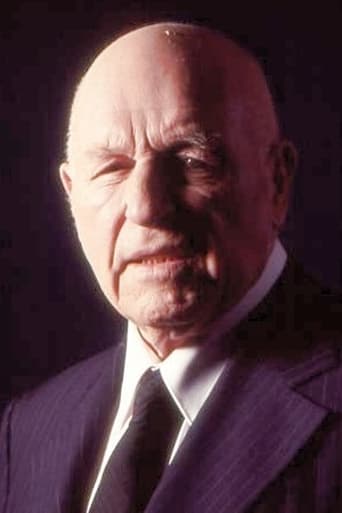
Lawrence Tierney was born in Brooklyn on March 15, 1919, the eldest of three sons to an Irish-American family. He studied acting at the Actors Studio and made his stage debut in 1937, earning respect in theatrical circles before Hollywood discovered his particular gift for embodying menace. His early film work was unremarkable until he was loaned to producers who recognized his capacity to project barely contained violence beneath a handsome, deceptively charming exterior.
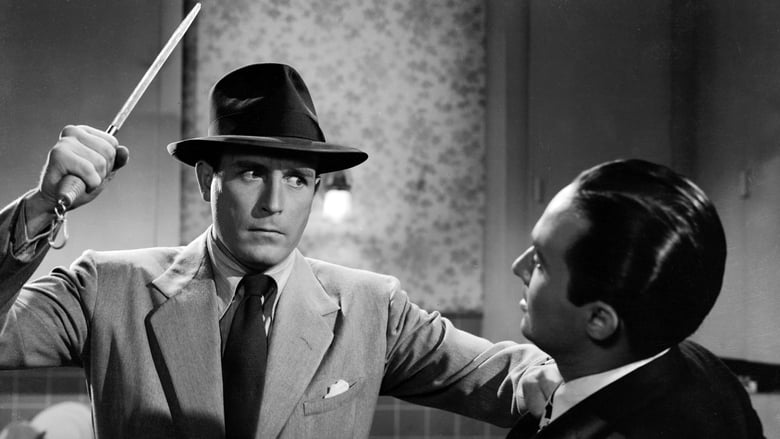
In 1944, Tierney's portrayal of real-life gangster John Dillinger in Max Nosseck's biopic catapulted him to sudden stardom and typecast him as the dangerous criminal archetype. The role showcased his remarkable physical presence–broad-shouldered, tight-lipped, capable of switching from seduction to brutality in a single glance. Throughout the mid-1940s, he became noir's preeminent psychopath, bringing psychological authenticity to killers and thieves that seemed drawn from FBI case files.
His collaboration with director Robert Wise on Born to Kill (1947) remains his definitive noir performance, a masterwork of casual sadism and magnetic toxicity. Tierney's Sam Wilde is a drifter whose charm masks a void where conscience should be–he murders acquaintances without hesitation and pursues the woman he loves with terrifying single-mindedness. The role allowed him to explore the noir antihero at its most morally bankrupt, creating a character of genuine psychological complexity beneath the surface brutality.

Despite his talent, Tierney's off-screen reputation for heavy drinking and volatile behavior increasingly limited his work after 1950. He remained active in B-pictures and television through the 1950s, never quite recapturing the intensity of his mid-forties peak. His noir legacy rests on a remarkably concentrated body of work–fewer than fifteen noir features–that established him as cinema's most convincing portrait of the amoral killer.
Tierney embodied the unpredictable, casually violent criminal whose menace lies not in cunning but in a terrifying absence of conscience. His characters murdered with the detached efficiency of a man swatting flies, making him the noir screen's most visceral portrait of pathological indifference to human suffering.