Films People Pull a Fast One Night Beat Reading Room On TV Shop
Actor · The Look That Killed

Lauren Bacall

BornSeptember 16, 1924, New York City, New York
DiedAugust 12, 2014, New York City, New York
Noir Films9 films
Peak Years1944–1950
Photo: TMDB
Scroll

Born Betty Joan Perske in New York City, Lauren Bacall emerged from obscurity to become one of cinema's most iconic presences. Discovered by director Howard Hawks at age nineteen, she was thrust into stardom alongside Humphrey Bogart in To Have and Have Not (1944), a pairing that would define both their careers. Her distinctive husky voice and penetrating gaze–the famous 'Look'–became her calling card, a visual and vocal signature that suggested intelligence, danger, and barely concealed desire in equal measure.

Throughout the 1940s, Bacall became the gold standard of film noir's femme fatale, though she resisted the limitations the role imposed. In The Big Sleep (1946) and The Sleeping City (1950), she demonstrated a capacity for nuance that transcended seduction and betrayal narratives. Her collaborations with Bogart, both on-screen and off (they married in 1945), created an electric chemistry that audiences found intoxicating. The pair's banter and mutual regard elevated their noir vehicles beyond genre conventions, establishing a template for romantic antagonism that influenced Hollywood for decades.

She had a perfect quality of that half-childish, half-knowing look that makes men go mad. – Humphrey Bogart

Bacall's filmography extends well beyond noir, spanning drama, comedy, and musicals, yet her noir work remains definitive to her legacy. Key Largo (1948), her final collaboration with Bogart, directed by John Huston, showcased her ability to command scenes alongside masculine authority figures while maintaining independence. She refused to be typecast, insisting on varied roles and maintaining creative control when possible–a rarity for actresses of her era.
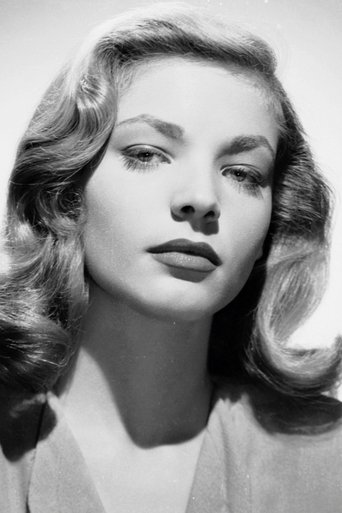
Lauren Bacall

Her influence on cinema extends beyond performance; Bacall represented a new archetype of American femininity: intelligent, articulate, and unafraid of sensuality. She bridged the gap between the ingénue and the experienced woman, suggesting depths of character that previous generations of actresses were rarely permitted. Her legacy in noir cinema remains unmatched, a standard against which all subsequent femmes fatales are measured.

Noir Archetype The Femme Fatale with Depth

Bacall embodied the intelligent, dangerous woman of noir–sultry and knowing, yet capable of genuine vulnerability. She subverted the archetype by infusing her femmes fatales with wit, agency, and moral complexity, making them partners rather than mere obstacles for the protagonist.

The Scene That Defines Them

To Have and Have Not
To Have and Have Not – 1944

The Whistle Scene

Mid-film, intimate bedroom sequence

Bacall's Marie 'Slim' Browning delivers the film's most iconic moment, instructing Harry Morgan (Bogart) with a cool, knowing intimacy: 'You know how to whistle, don't you? You just put your lips together and blow.' The scene crystallizes her archetype–part innocent seduction, part calculated danger. Her delivery combines vulnerability with absolute control, establishing the dynamic that would define her noir persona and captivate audiences for decades.

You know how to whistle, don't you? You just put your lips together and blow.

The Noir Canon

YearFilmRoleDirector
1944To Have and Have NotMarie 'Slim' BrowningHoward HawksEssential
1946The Big SleepVivian Sternwood RutledgeHoward HawksEssential
1947Dark PassageIrene JansenDelmer DavesRecommended
1948Key LargoNora TempleJohn HustonEssential

The Road In

1924
Born in New York City

Betty Joan Perske is born to Jewish parents in Manhattan; her father dies when she is five, shaping her independent character.

1942
Discovered by Howard Hawks

Hawks spots her photograph on a magazine cover and signs her to a contract, beginning her rapid ascent to stardom.

1944
Debut in To Have and Have Not

At nineteen, Bacall makes her film debut opposite Humphrey Bogart, achieving instant stardom and creating one of cinema's most legendary pairings.

1945
Marries Humphrey Bogart

After a year of on-screen chemistry, Bacall and Bogart marry in May, becoming Hollywood's most glamorous couple of the era.

1946
The Big Sleep released

Hawks reunites Bacall and Bogart in this definitive noir adaptation of Raymond Chandler's novel, cementing her status as the era's preeminent femme fatale.

1948
Key Largo premiere

Bacall's final collaboration with Bogart, directed by John Huston, results in a tense, claustrophobic masterpiece that showcases her dramatic range.

1957
Bogart's death

Humphrey Bogart dies of cancer on January 14, ending a partnership that defined both their careers and leaving Bacall a widow at thirty-two.

1953
Transition to other genres

Bacall diversifies her career, appearing in musicals and comedies, though remaining synonymous with noir cinema.

1957
Autobiographical reflection

Bacall publishes her memoir, reflecting on her meteoric rise and life with Bogart, cementing her place in Hollywood history.