Films People Pull a Fast One Night Beat Reading Room On TV Shop
Director · The Urban Realist

Jules Dassin

BornDecember 18, 1911, Middletown, Connecticut
DiedMarch 31, 2008, Athens, Greece
Noir Films6 films
Peak Years1947–1950
Photo: TMDB
Scroll

Jules Dassin was born in Middletown, Connecticut, in 1911, the son of a Jewish cantor and labor organizer. He studied drama at the Actors Studio and began his career in theater before moving to Hollywood in 1940. His early work included lightweight studio comedies and musicals for MGM, but the postwar appetite for realism and urban crime narratives gave him the opportunity to reinvent himself as a serious filmmaker. By the mid-1940s, he had found his true register: the pulp fiction of the streets.

Dassin's breakthrough came with Brute Force (1947), a prison noir that used documentary-style location shooting to expose institutional brutality with unprecedented rawness. The film's influence on the genre proved immediate and lasting, establishing him as a major talent. He followed this success with The Naked City (1948), which took the police procedural into Manhattan's actual streets and tenements, using real locations in Washington Heights and the Lower East Side. The film's opening narration–'There are eight million stories in the naked city'–became iconic shorthand for urban noir itself.

Dassin saw the city as a character–corrupt, indifferent, and ultimately tragic. His noir is social realism masquerading as crime fiction. – Foster Hirsch, Detours and Lost Highways

Night and the City (1950) remains his masterwork, a British production filmed in the bombed-out streets of post-war London. The film follows a petty hustler through a landscape of vice, corruption, and moral collapse, with Dassin's camera capturing a world of absolute degradation. The nightclub scenes, the river sequences, the relentless tracking shots through narrow alleys–all converge to create an almost Expressionist vision of urban hell. It was his final American noir before political circumstances forced him into European exile.
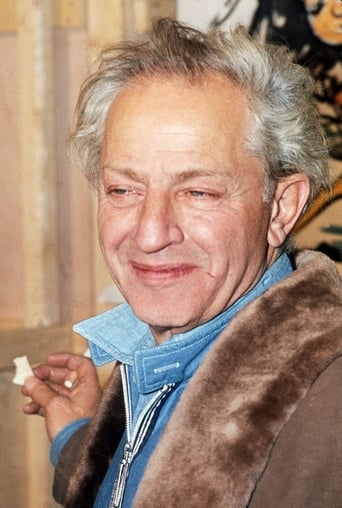
Jules Dassin

In 1952, Dassin was blacklisted during the House Un-American Activities Committee hearings, accused of Communist sympathies. He fled to Europe, where he would spend the remainder of his career making films in France, Greece, and elsewhere. Though he never returned to noir proper, his influence on the genre–particularly his integration of neorealist aesthetics with American pulp–shaped the form's evolution into the 1950s and beyond.

Noir Archetype The Documentarian of Decay

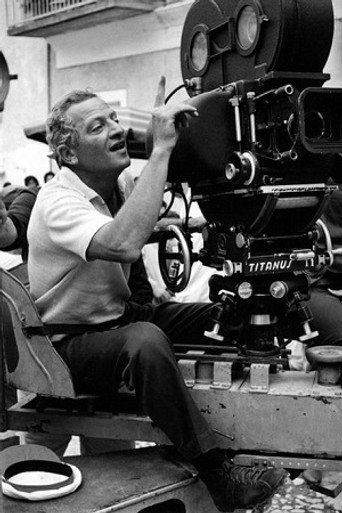
Dassin brought semi-documentary methodology and street-level authenticity to noir, transforming urban locations into protagonists. His films rejected studio artifice in favor of actual city spaces–New York's tenements, London's East End–where moral corruption runs through concrete and shadow alike. He saw noir not as escapism but as social chronicle.
The Scene That Defines Them

Night and the City
Night and the City – 1950

The Final Chase Along the Thames

Climax, final act

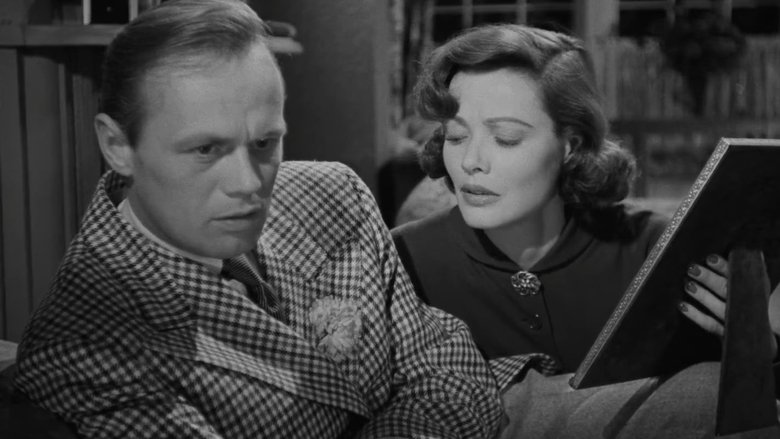
Richard Widmark's small-time promoter, hunted through the rubble and fog of postwar London, is chased along the Thames in a sequence of mounting desperation and visual poetry. The camera pursues him through narrow streets, under arches, and along the darkened river–location shooting transformed into nightmare logic. By film's end, he has become the city itself: cornered, expendable, erased. It is Dassin's supreme statement on urban entrapment and moral annihilation.

The Noir Canon

YearFilmRoleDirector
1947Brute ForceJules DassinEssential
1948The Naked CityJules DassinEssential
1950Night and the CityJules DassinEssential
1946Two Smart PeopleJules DassinNotable

The Road In

1911
Born in Middletown, Connecticut

Son of cantor Meyer Dassin and Frances Rothstein, a labor organizer's family. Grew up in Harlem amid working-class immigrant culture.

1930
Studies at Actors Studio

Trained in theater under Lee Strasberg and the Method acting tradition, foundational to his later naturalistic direction.

1940
Joins MGM as contract director

Moves to Hollywood; initially assigned to lightweight comedies and musicals. Works in studio system learning craft.

1947
Brute Force premieres

His breakthrough noir film, featuring location shooting in actual prison facilities and unprecedented violence. Establishes him as major talent.

1948
The Naked City released

Shot entirely on location in New York City. Opens the police procedural to documentary-realist aesthetics. Becomes defining work of urban noir.

1950
Night and the City completed

His masterpiece, filmed in postwar London. Final American noir before blacklisting. Represents apex of his neo-realist vision.

1952
Called before HUAC, blacklisted

Accused of Communist sympathies; chooses exile over testimony. Leaves America for France; begins European phase of career.

1955
Rififi released in France

Crime film made in French exile; wins Venice Golden Lion. Demonstrates continued mastery outside noir framework.

1960
Never Let Go filmed

Crime drama in London; signals continued engagement with noir themes despite genre's commercial decline.

2008
Dies in Athens

Passes away at 96 in Greece, where he had relocated in later years. Legacy as noir innovator secured internationally.