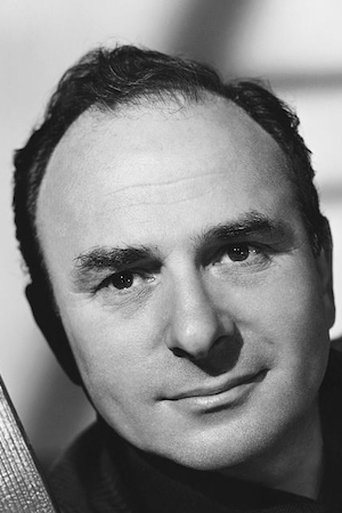
Joseph H. Lewis was born in New York in 1900 and began his career in silent cinema as an editor and assistant director before transitioning to directing in the late 1920s. Throughout the 1930s and early 1940s, he labored in Hollywood's lower echelons, directing programmers and quickies for Monogram and other minor studios. His work during these years, though often dismissed by contemporaries, demonstrated an emerging mastery of dynamic composition, economical storytelling, and the psychological undercurrents that would define his later noir achievements.
The postwar period marked Lewis's artistic apotheosis. My Name Is Julia Ross (1945) announced his arrival as a stylist of considerable power–a low-budget psychological thriller that exploited confined spaces and mounting dread with uncommon sophistication. Throughout the late 1940s and 1950s, he continued crafting lean, visually audacious crime narratives that proved the irrelevance of budget to artistic vision, working repeatedly with cinematographer John Alton and building an extraordinary body of work in marginalized production contexts.
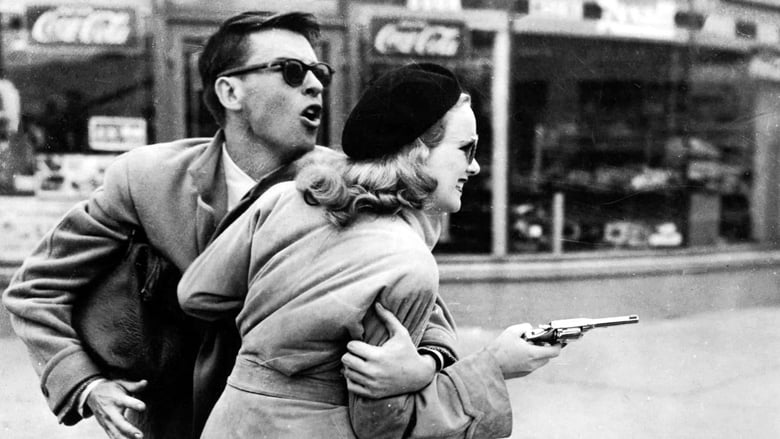
Gun Crazy (1950) stands as his most influential achievement, a kinetic ballad of doomed lovers that prefigured the French New Wave's aesthetic of mobile cameras and romantic violence. The film's famous extended chase sequence–shot with minimal cuts and maximum momentum–became a touchstone for auteur cinema. Paired with The Big Combo (1955), featuring Alton's chiaroscuro brilliance, Lewis demonstrated that B-pictures could rival major studio productions in artistic ambition and thematic depth.

Lewis's career gradually diminished in the 1960s as television and changing industry economics eroded the B-picture ecosystem that had sustained him. Yet his influence persisted among cineastes and later directors who recognized in his work a model of creative constraint transformed into stylistic virtue. He died in 1995, his reputation substantially rehabilitated by film historians who recognized him as one of noir's most visually intelligent and economically inventive practitioners.

The film's celebrated extended sequence of Annie Laurie and Bart fleeing across the American landscape in their stolen automobile represents Lewis's distillation of romantic violence and kinetic visual storytelling. Shot largely from within and around the moving vehicle, with minimal editorial cutting, the sequence creates an immersive sense of momentum and doomed inevitability. The mobile camera, traveling shots, and fluid composition transform a simple pursuit into an aesthetic and emotional experience that transcends generic convention. This scene became a direct influence on the French New Wave and established Lewis as a virtuoso of movement within the frame.
| Year | Film | Role | Director | |
|---|---|---|---|---|
| 1945 | My Name Is Julia Ross | – | Joseph H. Lewis | Essential |
| 1948 | The Undercover Man | – | Joseph H. Lewis | Essential |
| 1950 | Gun Crazy | – | Joseph H. Lewis | Essential |
| 1951 | The Lawless | – | Joseph H. Lewis | Recommended |
| 1955 | The Big Combo | – | Joseph H. Lewis | Essential |
| 1956 | Accused of Murder | – | Joseph H. Lewis | Recommended |
Lewis begins his career in the nascent film industry, working as an editor and learning the grammar of cinematic construction that would inform his later directorial work.
Lewis directs his initial feature film, beginning a long tenure in low-budget productions and establishing himself as a reliable, efficient craftsman in Hollywood's second tier.
The psychological thriller announces Lewis as a major visual talent, winning critical recognition and establishing his signature style of confined spaces and psychological tension within B-picture constraints.
This G-men procedural demonstrates Lewis's ability to elevate routine crime-film material through compositional sophistication and thematic subtlety, deepening his reputation among discerning viewers.
Lewis's masterpiece reaches audiences, its innovative mobile cinematography and romantic violence influencing subsequent generations of filmmakers and establishing his lasting artistic legacy.
Reunited with cinematographer John Alton, Lewis creates what many consider his aesthetic peak–a visually extravagant portrait of obsession shot in chiaroscuro expressionism at minimal cost.
The collapse of the studio system and rise of television diminish the market for B-pictures, gradually reducing directorial opportunities for Lewis and similar genre specialists.
Film historians and critics rediscover Lewis's work, recognizing him as a major auteur whose visual intelligence transcended budgetary limitations and influenced the French New Wave.
Major film festivals and retrospectives celebrate Lewis as a foundational figure in noir cinema and American visual style, cementing his rehabilitation from minor director to major auteur.