Films People Pull a Fast One Night Beat Reading Room On TV Shop
Actor · The Gentleman in Shadow

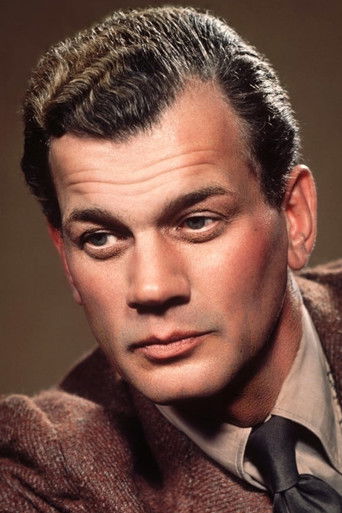
Joseph Cotten

BornMay 15, 1905, Petersburg, Virginia
DiedFebruary 6, 1994, Los Angeles, California
Noir Films11 films
Peak Years1944–1951
Photo: TMDB
Scroll

Joseph Cheshire Cotten Jr. was born in Petersburg, Virginia, in 1905, the son of a prominent tobacco merchant family. After briefly pursuing stage work in New York, he caught the attention of David O. Selznick and quickly ascended to Hollywood prominence in the late 1930s. His partnership with Orson Welles on Citizen Kane established him as a major star capable of nuance and intelligence, qualities that would define his approach to noir throughout the 1940s and 1950s.

Cotten's noir period coincided with his greatest versatility as an actor. Rather than defaulting to conventional heroism, he explored morally complicated protagonists–men of education and refinement whose certainties unraveled. His work with directors like Carol Reed and Otto Preminger revealed an actor comfortable with psychological complexity and visual storytelling. He brought a conversational naturalism to dialogue-heavy scenes, making exposition feel like confession rather than plot mechanics.

Cotten possessed the rare gift of making moral uncertainty seem like lived experience rather than dramatic affectation. – David Thomson, The New Biographical Dictionary of Film

The Third Man (1949) represents the apotheosis of Cotten's noir sensibility: an American writer whose innocence is weaponized, whose trust becomes a tragic flaw. Standing in post-war Vienna's literal and moral wreckage, his character embodies the genre's central tragedy–the educated man undone by forces beyond his comprehension or control. This role crystallized Cotten's place in noir history as the thinking man's protagonist, forever marked by knowledge he cannot unknow.
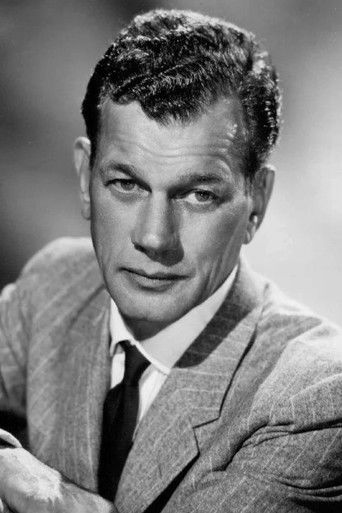
Joseph Cotten

Cotten continued acting through the 1950s with diminishing noir opportunities, though he maintained steady work in television and film. His legacy rests on a handful of essential performances that demonstrated noir's capacity for psychological subtlety. He died in 1994, remembered as a master of restrained performance who elevated the genre beyond mere plot machinery.

Noir Archetype The Urbane Witness

Cotten embodied the articulate, morally ambiguous observer caught between worlds of respectability and corruption. His characters possess charm and intelligence yet harbor secrets; they watch, report, and ultimately become entangled in the very darkness they sought to document or escape.
The Scene That Defines Them

The Third Man
The Third Man – 1949

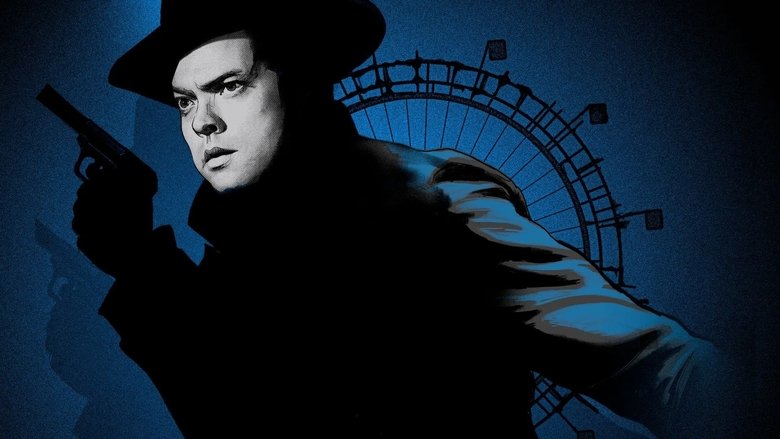
The Ferris Wheel Confrontation

Final act

Cotten and Welles (as Harry Lime) meet atop the Viennese Ferris wheel in Reed's most celebrated sequence. As the wheel rotates above the city's geometric patterns, Lime articulates the film's moral philosophy: civilization is merely perspective from a sufficient height. Cotten's face registers dawning comprehension–that his oldest friend is a monster, that intimacy cannot survive moral knowledge. The scene distills noir's central tragedy into two men suspended between earth and sky, innocence and cynicism.

Look down there. Would you really feel any pity if one of those dots stopped moving forever?

The Noir Canon

YearFilmRoleDirector
1943Shadow of a DoubtCharlie OakleyAlfred HitchcockEssential
1943Journey Into FearHoward GrahamNorman FosterNotable
1944GaslightBrian CameronGeorge CukorEssential
1946Duel in the SunJesse McCandlesKing VidorRecommended
1948Portrait of JennieEben AdamsWilliam DieterleNotable
1949Beyond the ForestLewis MolineKing VidorNotable
1949The Third ManHolly MartinsCarol ReedEssential
1951Walk Softly, StrangerChris HaleRobert StevensonNotable
1952NiagaraGeorge LoomisHenry HathawayEssential
1958Touch of EvilCameoOrson WellesEssential

The Road In

1905
Born in Petersburg, Virginia

Joseph Cheshire Cotten Jr. born to a prominent tobacco merchant family in Virginia's Tidewater region.

1926
Stage career begins in New York

Cotten performs with repertory companies and Broadway productions, developing his craft alongside fellow actors destined for Hollywood prominence.

1938
Hollywood contract signed

David O. Selznick signs Cotten to a studio contract, launching his film career with supporting roles in prestige productions.

1941
Citizen Kane released

Orson Welles's masterpiece establishes Cotten as a major star and begins his most creatively fertile decade in Hollywood.

1943
Shadow of a Doubt released

Hitchcock's masterpiece casts Cotten against type as the charming, murderous Uncle Charlie – one of noir's defining villain performances.

1949
The Third Man opens in London

Carol Reed's masterpiece premieres, with Cotten's performance as Holly Martins defining the archetype of the innocent American abroad.

1952
Niagara released

Henry Hathaway's color noir showcases Cotten as a psychologically damaged war veteran, proving the genre's depth in widescreen formats.

1958
Touch of Evil released

Orson Welles reunites with Cotten for an uncredited cameo in his baroque noir masterpiece, closing a creative partnership that began with Citizen Kane.

1960
Noir period concludes

By decade's end, Cotten transitions primarily to television and character work, though his legacy as noir's quintessential thinking man is secure.