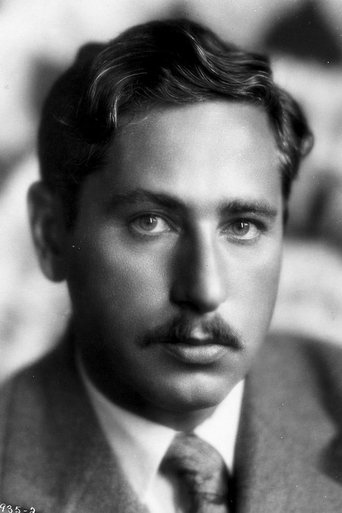
Josef von Sternberg (born Jonas Sternberg) arrived in America as a young immigrant from Vienna, carrying with him the sensibilities of German Expressionism and a flair for visual excess that would define his aesthetic. Throughout the 1920s and 1930s, he established himself as Hollywood's supreme stylist, celebrated for his collaborations with Marlene Dietrich and his meticulous control over every element of the frame. By the 1940s, his star had dimmed somewhat, yet he continued working in noir and melodrama, refining techniques of shadow and suggestion that influenced an entire generation of noir cinematographers.
Sternberg's approach to film was fundamentally painterly; he conceived each shot as a canvas of light and shade, where characters existed within carefully constructed environments of moral and psychological darkness. His cinema rarely prioritized conventional narrative exposition, instead creating meaning through visual metaphor, exotic locale, and the charged interplay between desire and fate. This approach, while visually stunning, often frustrated studio executives and contemporary critics who found his films mannered and narratively opaque–a tension that would plague his later career in the noir period.
In the postwar years, Sternberg directed three significant noir-inflected films that showcased his continued mastery of atmosphere: *The Shanghai Gesture* (1941), *Macao* (1952), and *Jet Pilot* (1957). These works retained his signature style–compositions of Byzantine complexity, mise-en-scène of overwhelming sensuality, and a fascination with corruption hidden beneath glamorous surfaces. Yet they also reflected the constraints of the era: studio interference, changing audience tastes, and the director's own aging relationship to the medium.
Sternberg's legacy in noir cinema remains paradoxical. He was never primarily a noir director, yet his visual vocabulary–the chiaroscuro, the fatalism, the erotic tension–proved foundational to the genre's visual language. His insistence on style as substance, on cinema as visual poetry rather than narrative clarity, anticipated later auteur theory and influenced directors from Orson Welles to Michael Curtiz.
Sternberg epitomized the director whose visual obsession–shadowed interiors, layered compositions, atmospheric density–often overwhelmed narrative momentum. His noir work prioritized mood and erotic suggestion over plot clarity, creating a cinema of psychological intrigue and moral ambiguity through pure cinematic language rather than character development.