Films People Pull a Fast One Night Beat Reading Room On TV Shop
Director · The Architect of Moral Ambiguity

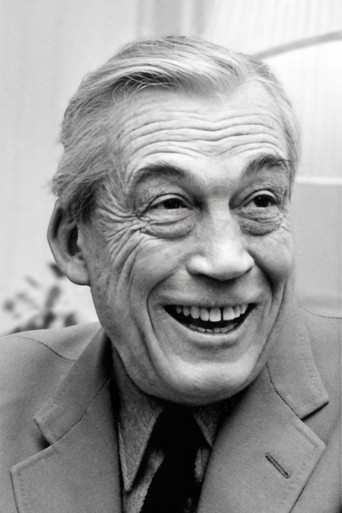
John Huston

BornAugust 5, 1906, Nevada, Missouri
DiedAugust 28, 1987, Middletown, Rhode Island
Noir Films9 films
Peak Years1941–1950
Photo: TMDB
Scroll

John Marcello Huston was born in Nevada, Missouri, the son of actor Walter Huston and journalist Rhea Gore. His youth was marked by geographical restlessness and artistic exposure–his mother was a professional journalist, his father an accomplished stage performer. Huston himself dabbled in acting, writing, and painting before gravitating toward direction. By the late 1930s, he had apprenticed as a screenwriter at Warner Brothers, where he honed his craft on crime dramas and adaptations, developing a signature blend of tough dialogue and baroque visual design that would define his mature work.

Huston's directorial debut, The Maltese Falcon (1941), announced a major talent and became the template for American noir: hard-boiled dialogue, moral compromise masquerading as pragmatism, and a protagonist caught between desire and survival. The film's success positioned him as Warner Brothers' most important director, yet Huston resisted pigeonholing. During World War II, he served in the Army Signal Corps, directing combat documentaries that earned him critical respect beyond genre cinema. He returned to Hollywood with renewed authority, ready to tackle increasingly ambitious material.

Huston made the criminal mind a subject of art rather than exploitation – his thieves think, feel, and fail like Shakespearean characters. – Robert Warshow, film critic

The Asphalt Jungle (1950) stands as perhaps his greatest achievement–a meticulously plotted heist narrative that became the template for an entire subgenre. Huston's direction here achieves a delicate balance: each criminal is rendered with psychological specificity, yet the machinery of the heist unfolds with balletic precision. The film's influence rippled across decades of cinema; its structure, its ensemble cast dynamics, and its fatalistic worldview became canonical. Key Largo (1948) demonstrated Huston's ability to compress tensions within confined spaces, transforming Tennessee Williams-adjacent staginess into claustrophobic cinema.
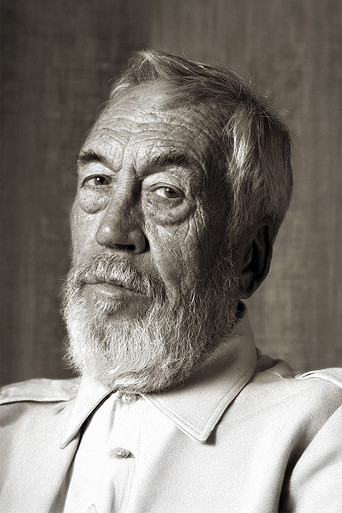
John Huston

Beyond his noir masterworks, Huston's career encompassed literary adaptation, African adventure, and genre-bending experimentation. He was a gambler, a hunter, a raconteur–qualities that infused his films with reckless energy and philosophical depth. His noir period, though brief in terms of total output, established him as cinema's great anatomist of American corruption and moral failure, a position he never relinquished.

Noir Archetype The Visionary Structuralist

Huston elevated noir from pulp melodrama to philosophical inquiry, constructing intricate heist narratives and character studies that probed the American psyche's darker recesses. His camera was restless, his narratives baroque yet disciplined, revealing corruption not as aberration but as systemic rot. He treated noir as a vehicle for examining fate, greed, and the illusion of control.
The Scene That Defines Them

The Asphalt Jungle
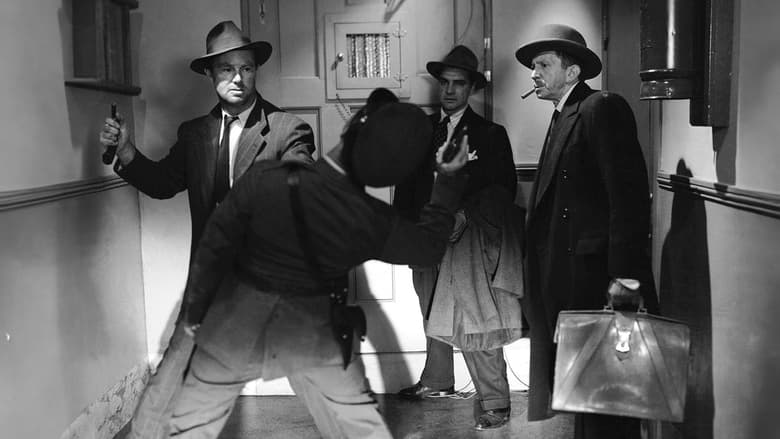
The Asphalt Jungle – 1950

The Heist Execution

Mid-film, the carefully choreographed jewel robbery

Huston orchestrates the actual theft with balletic precision–minimal dialogue, maximum spatial clarity, each criminal performing his choreographed function. The sequence is almost abstract in its formal beauty, yet every gesture carries psychological weight. The robbery succeeds, but the scene's visual perfection undercuts its moral triumph; we are complicit in the crime's elegance. This is Huston's great insight: crime, viewed dispassionately, can be art; but art cannot redeem it.

The Noir Canon

YearFilmRoleDirector
1941The Maltese FalconJohn HustonEssential
1948Key LargoJohn HustonEssential
1950The Asphalt JungleJohn HustonEssential

The Road In

1906
Born in Nevada, Missouri

Son of Walter Huston, a celebrated stage and film actor. Early exposure to theatrical life shapes his artistic sensibilities and restless ambition.

1938
Hired as screenwriter at Warner Brothers

Begins apprenticeship in screenwriting, collaborating on crime dramas. Develops signature dialogue style and visual sensibility that will define his directorial work.

1941
Directorial debut: The Maltese Falcon

At age 35, Huston directs his first feature, which becomes a landmark noir and earns three Academy Award nominations. Establishes template for hard-boiled Hollywood cinema.

1942
Enlists in Army Signal Corps

Directs combat documentaries during World War II, including Report from the Aleutians and The Battle of San Pietro. Earns critical respect beyond genre cinema.

1948
Double triumph: Key Largo and The Treasure of the Sierra Madre

Releases two masterworks within months, consolidating his reputation as Hollywood's greatest director of morally complex narratives and ensemble casts.

1950
The Asphalt Jungle premieres

Huston's greatest achievement becomes the definitive heist film and foundational text for noir cinema. Its structure and thematic concerns influence crime cinema for decades.

1951
Transitions beyond noir with The African Queen

Moves into adventure and literary adaptation, though retains noir's moral ambiguity. Begins career-long pattern of genre-hopping and experimentation.

1948
Wins Best Director and Best Adapted Screenplay Oscars for The Treasure of the Sierra Madre

Further establishes himself as a literary adaptor and classical artist. Noir period recedes into past, but its influence remains central to his aesthetic.

1980
Receives Irving G. Thalberg Memorial Award

Recognized for lifetime achievement and influence across multiple genres. Remains active in directing until his death in 1987.