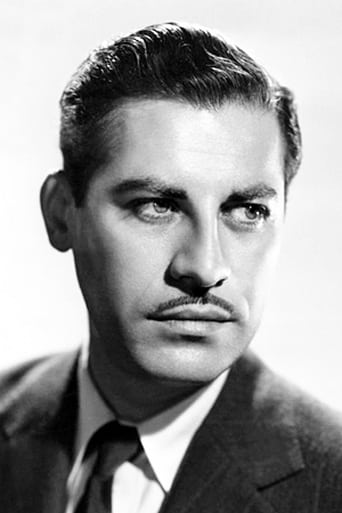
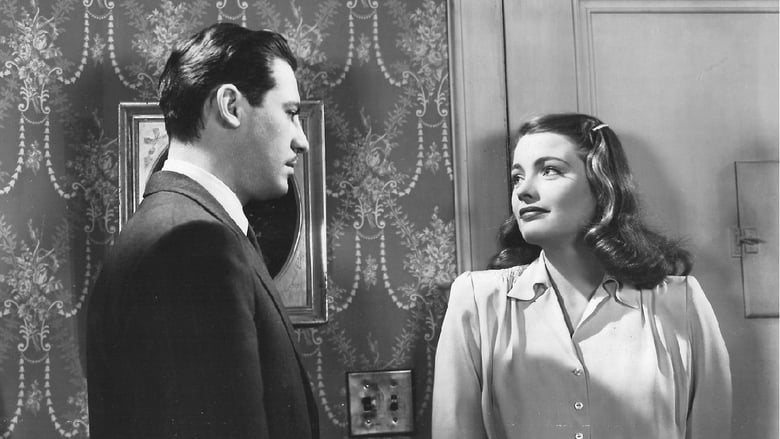
John Hodiak was born in Port Carbon, Pennsylvania, a coal-mining town that would inform his portrayal of working-class vulnerability throughout his career. After studying drama in Chicago and serving in World War II, he arrived in Hollywood in the mid-1940s, a period when the noir cycle was reaching its creative peak. Unlike the polished leading men who dominated the era, Hodiak possessed a weathered, slightly worn quality that made audiences believe in his desperation. His strong theatrical background gave his performances a naturalistic gravitas that distinguished him from contemporaries who relied on surface charm.
Hodiak's breakthrough came with Lifeboat (1944), Alfred Hitchcock's claustrophobic masterpiece, where he shared screen time with the maestro's characteristic moral ambiguity. The film established him as an actor capable of sustaining tension through nuance rather than histrionics, a quality that would define his finest noir work. Throughout the late 1940s, he became a reliable vehicle for studios seeking credible portrayals of men haunted by circumstance. His collaboration with Anthony Mann on Side Street and his leading role in the psychologically fractured Somewhere in the Night cemented his status as a thinking person's noir actor.
By 1950, Hodiak had accumulated a substantial body of work in crime and suspense cinema, though major stardom eluded him. A Lady Without Passport showcased his ability to convey both romantic yearning and professional morality, themes that resonated throughout his noir period. His roles rarely afforded him the swagger of the classic noir protagonist; instead, he inhabited men whose integrity was perpetually tested by forces beyond their control. This particular casting choice–the decent man under siege–became his signature, and it remains his most enduring contribution to the genre's moral landscape.
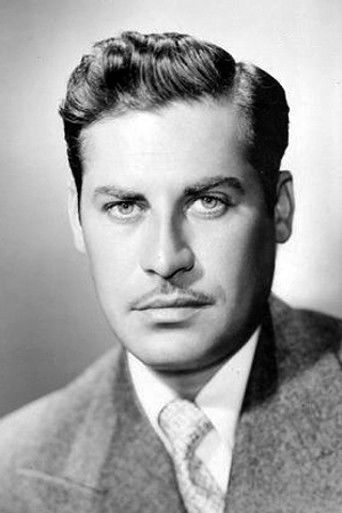
Hodiak's illness in the 1950s curtailed his film output, and he died in October 1955 at age forty-one, before the full scope of his career could be assessed. Though his noir filmography spans fewer than a dozen titles, each represents a deliberate artistic choice to explore psychological depth over surface heroics. His legacy rests not on quantity but on a handful of performances that defined the conscience of American noir cinema.
Hodiak embodied the ordinary man caught in extraordinary moral circumstances, often portraying characters wrestling with amnesia, mistaken identity, or the burden of hidden knowledge. His everyman quality–neither classically handsome nor villainous–made him ideally suited to roles where psychological torment and ethical ambiguity were paramount. He brought a deliberate, measured intensity to men trapped between innocence and complicity.