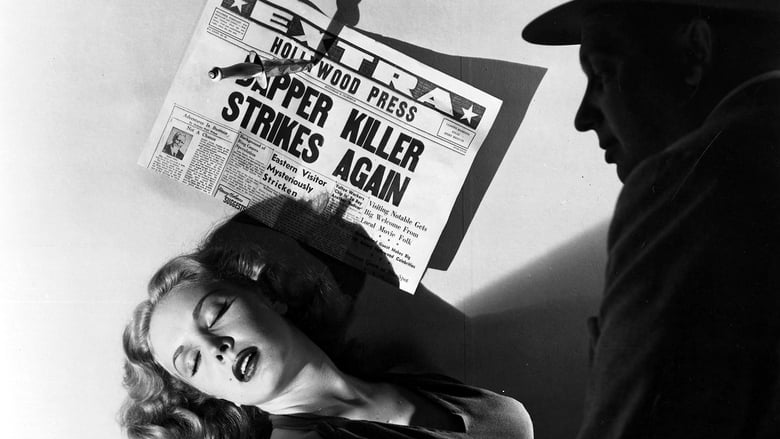
John Higgins emerged in the mid-1940s as a screenwriter committed to the procedural authenticity that would define a significant strain of American noir cinema. His scripts eschewed melodrama in favor of meticulous reconstruction, drawing on police records, institutional archives, and real criminal cases to construct narratives of investigation and capture. This documentary impulse, shared with contemporaries like John Alton and Anthony Mann, positioned Higgins within the harder, more sociological wing of noir–one less concerned with shadow and psychology than with the mechanics of detection itself.
Higgins's collaboration with director Anthony Mann on T-Men (1947) established his signature approach: a crime narrative structured around Treasury Department procedure, photographed in stark semi-documentary style by John Alton. The film's methodology–following undercover agents through the infrastructure of counterfeiting rings–became a template that Higgins would refine across subsequent projects. His scripts demonstrated that noir could derive its moral weight not from femme fatales or doomed protagonists, but from the systematic exposure of criminal operations and the institutional competence required to dismantle them.
He Walked by Night (1948), credited to Harry Essex but substantially reworked by Higgins and others, further solidified his reputation for crime-scene precision and police procedural detail. The film's semi-documentary framing, its use of Los Angeles locations, and its focus on detective work rather than criminal psychology aligned perfectly with Higgins's aesthetic priorities. His contributions to Canon City (1948) demonstrated his sustained interest in institutional settings–in this case, the penitentiary itself–as environments rich with narrative and moral complexity.
Higgins's influence on noir screenwriting extended beyond his individual credits; his commitment to procedural authenticity helped establish documentary realism as a legitimate alternative to psychological and gothic approaches. Though his career spanned the industry's transition away from classical noir conventions, his scripts remained rooted in the investigative methodology and institutional detail that defined his contribution to the genre's intellectual and visual vocabulary.
Higgins belonged to the post-war school of noir writers who grounded crime narratives in procedural authenticity and semi-documentary methodology. Rather than emphasizing psychological descent or femme fatale manipulation, his scripts privileged investigative methodology, institutional frameworks, and the mundane details of law enforcement–transforming police work itself into dramatic substance.