Films People Pull a Fast One Night Beat Reading Room On TV Shop
Actor · The Angry Young Man

John Garfield

BornMarch 4, 1913, New York City, New York
DiedMay 21, 1952, New York City, New York
Noir Films15 films
Peak Years1946–1950
Photo: TMDB
Scroll

Julius David Garfinkle was born in Manhattan's Lower East Side, the son of a garment worker and a housewife. Raised in Depression-era New York, Garfield absorbed the cadence of street life and the grinding despair of working families. He studied acting at the Group Theatre under Lee Strasberg, where he absorbed the Stanislavski method and emerged as a fierce, naturalistic performer. By the late 1930s, he had become a Broadway sensation, bringing unprecedented intensity and social consciousness to the American stage.

Warner Bros. signed Garfield in 1938, initially casting him in prestige dramas before recognizing his genius for noir's morally ambiguous terrain. His breakthrough came with The Postman Always Rings Twice (1946), where his simmering sexuality and working-class resentment made him the perfect vessel for James M. Cain's doomed drifter. Throughout the late 1940s, Garfield became noir's intellectual conscience–films like Force of Evil and Body and Soul showcased an actor capable of articulating the corruption of the American Dream with poignancy and rage.

Garfield was the first star to bring the Actors Studio's psychological depth to Hollywood's crime pictures, making desperation feel lived rather than performed. – Film historian David Thomson

What distinguished Garfield from his contemporary leading men was his refusal to sanitize desire or suffering. He played hustlers, thieves, and desperate men without apology, yet always retained a core decency that suggested systemic failure rather than personal depravity. His collaborations with director Abraham Polonsky yielded some of noir's most politically astute works, films that yoked genre thrills to genuine social critique. His naturalistic acting style, influenced by the Group Theatre, made Hollywood's manufactured glamour seem hollow.

John Garfield

Garfield's career was cut tragically short by his death from a heart attack at age thirty-nine in 1952, a loss that deprived American cinema of an actor at the height of his powers. He had become a target of HUAC investigations due to his leftist sympathies and liberal activism, pressures that weighed heavily on him during his final years. His legacy endures as noir's most passionate voice for the dispossessed, an actor who refused to separate art from conscience.

Noir Archetype The Working-Class Rebel

Garfield embodied the restless, morally conflicted protagonist trapped between poverty and temptation, his face etched with resentment and raw vulnerability. He brought Actors Studio intensity to noir's underworld, channeling genuine social rage into characters who fought systems that exploited them, yet often fell victim to their own ambitions.

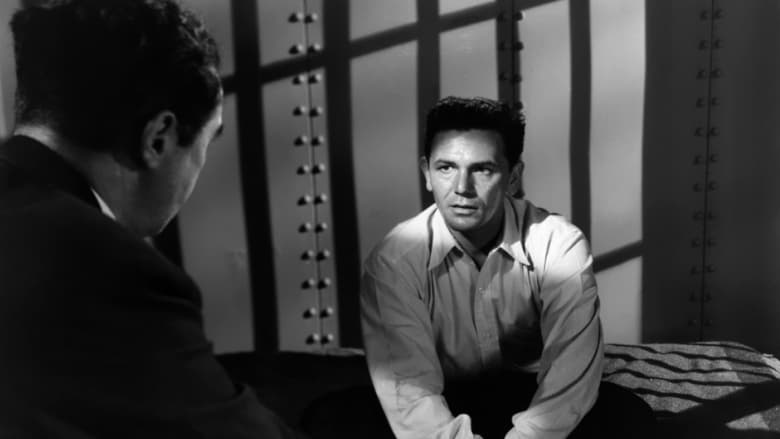
The Scene That Defines Them

The Postman Always Rings Twice
The Postman Always Rings Twice – 1946

The Diner Seduction

Early in the film, when Frank and Cora first meet

Garfield's Frank Chambers slouches against the diner counter with a mixture of hunger and sexual magnetism, his eyes locked on Lana Turner's Cora. The scene captures his essential quality: raw need barely concealed beneath charm. His body language suggests a man for whom desire and desperation are indistinguishable, and his face registers the moment he recognizes that this woman might be his escape route–or his doom. It is pure noir physicality, a masterclass in how much can be communicated without elaborate dialogue.

The Noir Canon

YearFilmRoleDirector
1946The Postman Always Rings TwiceFrank ChambersTay GarnettEssential
1946HumoresquePaul BorayJean NegulescoRecommended
1948Body and SoulCharley DavisRobert RossenEssential
1948Force of EvilJoe MorseAbraham PolonskyEssential
1950The Breaking PointHarry MorganMichael CurtizRecommended
1951He Ran All the WayNick RobeyJohn BerryEssential

The Road In

1913
Born in Lower East Side Manhattan

Julius David Garfinkle arrives in a tenement building, son of a garment worker. His early exposure to working-class struggle would inform his entire artistic vision.

1932
Joins the Group Theatre

Garfield begins studying under Lee Strasberg at the Group Theatre in New York, absorbing the Stanislavski method and radical political ideals that would shape his career.

1937
Broadway stardom with 'Golden Boy'

Garfield's performance in Clifford Odets' 'Golden Boy' becomes a Broadway sensation, establishing him as a major theatrical talent before Hollywood beckoned.

1938
Signed by Warner Bros.

The studio signs Garfield to a contract, initially underutilizing his talents in prestige dramas while searching for his proper vehicle.

1946
The Postman Always Rings Twice released

Garfield's breakthrough noir role as Frank Chambers catapults him to stardom and establishes him as one of Hollywood's most compelling young actors.

1947
Receives first Oscar nomination

Garfield earns nomination for Body and Soul, recognition of his ascendant status and the power of his naturalistic approach to acting.

1948
Force of Evil collaboration

Works with director Abraham Polonsky on Force of Evil, creating one of noir's most politically conscious masterpieces about American corruption and moral compromise.

1950
HUAC investigation begins

Garfield's leftist activities and Group Theatre affiliations make him a target of House Un-American Activities Committee scrutiny, causing increasing professional and personal strain.

1951
He Ran All the Way released

Garfield's final significant noir role, playing a desperate fugitive. The film would be his last major performance before his untimely death.

1952
Dies of heart attack

John Garfield dies at age thirty-nine, his career cut short at its creative peak. The pressures of HUAC investigations and industry blacklisting are believed to have contributed to his declining health.