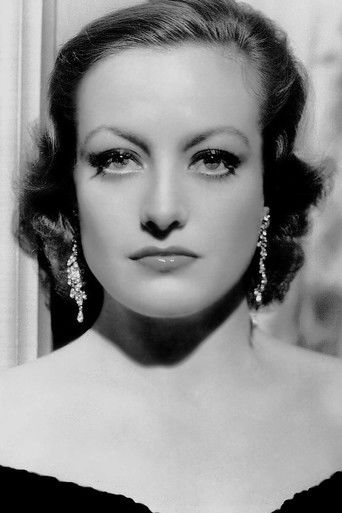
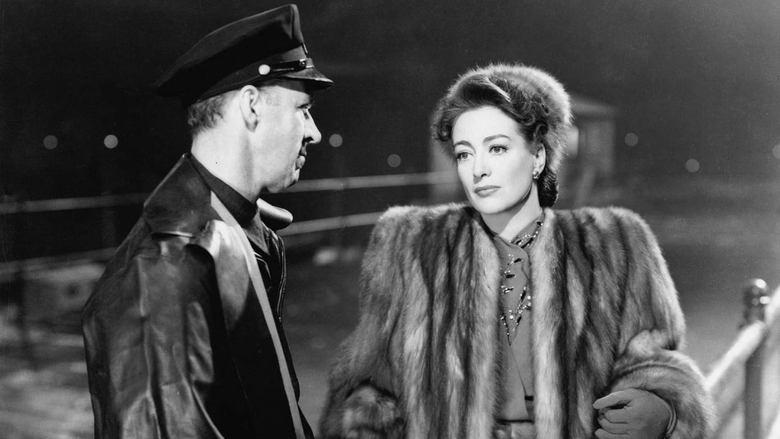
Joan Crawford emerged as one of Hollywood's most formidable talents during the golden age of American cinema, bringing a distinctive intensity to roles that demanded both vulnerability and steely resolve. Born Lucille Fay LeSueur in San Antonio, Texas, she rose from poverty and early vaudeville work to become a major studio star, initially dominating the 1920s and 1930s as a symbol of modern femininity. By the 1940s, as her early glamour roles began to fade, Crawford found her true métier in noir and psychological drama, genres that permitted her to excavate the darker impulses lurking beneath feminine surfaces. Her reinvention during this period demonstrated an artistic intelligence rarely acknowledged in discussions of her career.
Mildred Pierce, directed by Michael Curtiz in 1945, became both her greatest achievement and her entry into noir territory. The film, adapted from James M. Cain's novel, cast Crawford as a woman whose maternal devotion and entrepreneurial ambition become entangled with criminal deception and murder. Her Oscar-winning performance revealed depths of emotional complexity that surprised critics accustomed to her earlier, more one-dimensional roles. The character's trajectory–from betrayed housewife to successful businesswoman to murder suspect–allowed Crawford to explore the psychological fractures beneath the American success narrative.
Throughout the late 1940s and 1950s, Crawford gravitated toward roles emphasizing psychological instability and moral ambiguity. In The Damned Do Not Cry (1950) and Sudden Fear (1952), she portrayed women entrapped by their own desires and manipulated by predatory men, yet never entirely passive or innocent. These performances showcase a mature actress willing to embrace unflattering psychological realism, rejecting the beautified heroines of her youth. Crawford's noir work established her as an actress of genuine dramatic range, capable of sustaining complex narratives centered on female consciousness and moral compromise.

Crawford's noir period coincided with her transition from Metro-Goldwyn-Mayer to independent and smaller studio productions, a shift that paradoxically liberated her artistically while diminishing her star status. She approached each role with meticulous preparation and intense collaboration with directors, insisting on script approval and character development that reflected her evolved understanding of psychological drama. By the late 1950s, as noir itself declined, Crawford had solidified her legacy as one of cinema's most intelligent interpreters of feminine ambition, rage, and survival.
Crawford embodied a distinctly American noir archetype: the ambitious woman who refuses victimhood, wielding her sexuality and cunning as tools of social ascension rather than instruments of male destruction. Unlike the archetypal femme fatale who exists to ensnare men, Crawford's characters actively shape their own destinies, often at considerable moral cost. Her noir personas are ruthless self-made women navigating patriarchal systems through intelligence, determination, and a calculated willingness to transgress.