Films People Pull a Fast One Night Beat Reading Room On TV Shop
Writer · The Architect of Obsession

Jo Eisinger

BornJanuary 14, 1907, Vienna, Austria
DiedMarch 28, 1995, Los Angeles, California
Noir Films11 films
Peak Years1946–1953
Scroll

Jo Eisinger emerged in Hollywood during the golden age of noir as a screenwriter of uncommon sophistication, crafting scripts that interrogated desire, power, and the fragility of social order. Born in Vienna in 1907, Eisinger brought to American cinema a distinctly European sensibility–one alert to the philosophical dimensions of crime and corruption. His arrival in the United States preceded the full flowering of noir by nearly a decade, but when the movement crystallized in the mid-1940s, his particular gifts for psychological nuance and narrative intricacy found their fullest expression.

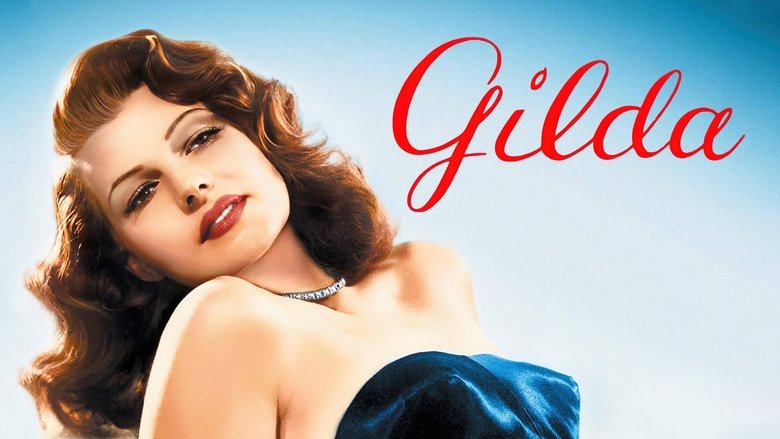
Eisinger's breakthrough came with Gilda (1946), directed by Charles Vidor, a film that remains the apotheosis of postwar noir eroticism and male anxiety. Working from a premise of almost deliberate simplicity–a man, a woman, a past that won't stay buried–Eisinger constructed a labyrinth of desire and deception that transformed B-picture conventions into tragedy. The film's success established him as a writer capable of mining profound emotional and thematic complexity from the genre's most lurid scenarios, a reputation he would sustain across the decade.

Eisinger's gift was for building elaborate psychological chambers in which his characters would slowly suffocate–not from external pressure, but from the weight of their own desires. – Andrew Spicer, Film Noir

In the late 1940s and early 1950s, Eisinger consolidated his reputation through a series of increasingly ambitious works. Night and the City (1950), his collaboration with director Jules Dassin, transplanted the machinery of American noir to the London underworld, creating a vision of urban corruption and predation that ranked among the decade's bleakest achievements. The System (1953) extended his exploration of masculine ambition and moral compromise, examining the codes and hierarchies that govern criminal enterprise with an anthropologist's precision.

Eisinger's later career saw him navigating the waning years of classic noir and the industry's gradual turn toward other preoccupations. Though he continued working through the 1950s and beyond, his name became increasingly associated with the movement's peak years, a period when his particular combination of European intellectualism, psychological insight, and command of genre mechanics found ideal conditions for expression. He remained until his death a figure of considerable respect among critics and fellow craftsmen, recognized as one of noir's most accomplished architects of narrative and character.
Noir Archetype The Structuralist

Eisinger belonged to that rare breed of noir writers who constructed their narratives with almost architectural precision, favoring psychological complexity and moral entanglement over simple crime mechanics. His scripts revealed characters trapped by desire and circumstance, their fates sealed not by bullets but by the inexorable logic of their own choices.

The Scene That Defines Them

Gilda
Gilda – 1946

The Torch Song

Second act; approximately 60 minutes

Rita Hayworth's Gilda emerges in silhouette against a scrim curtain, peeling off her long gloves while singing 'Put the Blame on Mame.' The scene crystallizes Eisinger's understanding of noir desire as spectacle and weapon–the woman as simultaneous object of fascination and threat, her sexuality deployed as both seduction and destruction. In fewer than four minutes, without explicit dialogue, Eisinger's staging establishes the entire tragic machinery of the narrative: male desire as vulnerability, feminine allure as lethal inevitability.

The Noir Canon

YearFilmRoleDirector
1944The Mask of DimitriosJean NégulescoRecommended
1946GildaCharles VidorEssential
1948The Killer is LooseByron HaskinRecommended
1950Night and the CityJules DassinEssential
1951The RacketJohn CromwellRecommended
1953The SystemLewis SeilerEssential

The Road In

1907
Born in Vienna

Jo Eisinger was born in Vienna, Austria, in a city whose intellectual ferment and social complexity would shape his sensibility as a writer of noir.

1930
Emigrates to United States

Eisinger immigrated to the United States during the waning years of the silent film era, establishing himself in Hollywood during the early sound period.

1940
First screenplay credit

Eisinger received his first screenplay credit, beginning a prolific period of work that would span three decades.

1946
Gilda released

The release of Gilda, directed by Charles Vidor and starring Rita Hayworth, established Eisinger as a master of noir psychology and erotic tension. The film became a landmark achievement in postwar American cinema.

1948
Peak productivity

Working throughout the late 1940s at maximum creative capacity, Eisinger produced multiple screenplays for major studios, solidifying his reputation as one of Hollywood's most reliable craftsmen of psychological complexity.

1950
Night and the City released

Jules Dassin's Night and the City, written by Eisinger, premiered to critical acclaim. Shot in London, the film represented the apotheosis of Eisinger's achievement in noir, transposing the genre's preoccupations to the British underworld.

1953
The System released

Eisinger's The System offered his most ambitious exploration of masculine ambition and the codes governing criminal enterprise, examining corruption with anthropological precision.

1960
End of classic noir era

As the classic noir movement waned in the early 1960s, Eisinger's career shifted toward other genres and formats, though his influence on the movement remained secure.

1995
Death in Los Angeles

Jo Eisinger died in Los Angeles at age 88, leaving behind a body of work that defined noir's golden age and influenced generations of screenwriters.