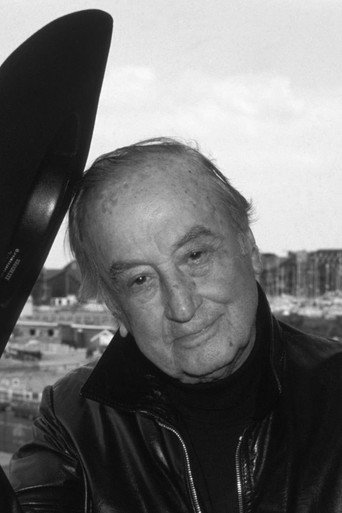
Jean Negulesco was born in Constanța, Romania, in 1900, the son of a naval officer. He studied painting in Geneva and Paris before relocating to New York in the 1920s, where he worked as an artist and illustrator. His transition to cinema came through commercial art–he designed costumes and sets before directing his first film in 1941. Negulesco brought the sensibility of a trained painter to the screen, composing frames with careful attention to shadow, geometry, and emotional resonance. His Romanian background and European education positioned him as an outsider to the American vernacular, lending his noir work an air of cultivated melancholy.
During the mid-1940s, Negulesco emerged as a master of psychological noir, directing Road House (1948) and Three Strangers (1946), films that explored the entanglement of desire, fate, and moral weakness. His work with cinematographer Ernest Haller created a visual language of smoky interiors and psychological claustrophobia. Negulesco excelled at orchestrating ensemble casts through intricate plots where chance and character flaws converge. His direction favored long takes and subtle performances over expressionist exaggeration, drawing audiences into the interior lives of morally compromised protagonists. He proved equally adept at melodrama and suspense, moving fluidly between noir and other genres.
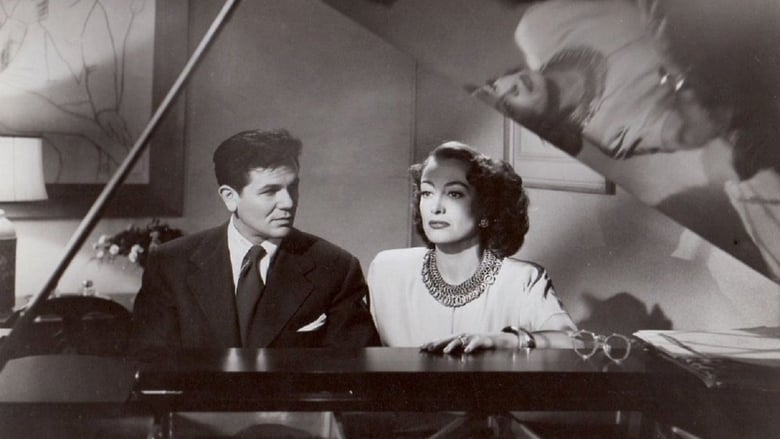
Humoresque (1946) showcased Negulesco's range, blending noir elements with romantic tragedy as he examined the destructive affair between a musician and a wealthy patron. The film's visual sophistication–particularly its use of reflected light and confined spaces–demonstrated his painter's eye. Joan Crawford's performance, guided by Negulesco's subtle direction, remains a study in femme fatale complexity. His collaboration with writers and composers resulted in films of unusual intelligence and taste. Though he never achieved the fame of Wilder or Preminger, Negulesco maintained consistent quality and artistic integrity throughout a long career.
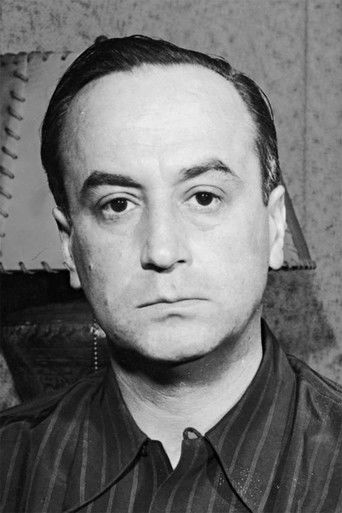
As the 1950s progressed, Negulesco increasingly turned toward Technicolor melodrama and romantic comedy, gradually leaving noir behind. His later films, while commercially successful, lacked the brooding depth of his 1940s work. Negulesco died in Marbella, Spain in 1993, leaving a modest but distinguished legacy as a director of psychological sophistication and visual intelligence. His films endure as evidence that noir could accommodate European refinement and artistic aspiration alongside American genre conventions.
Negulesco embodied the sophisticated European émigré director who brought Continental visual sensibility to American noir. His work balanced psychological intrigue with aesthetic refinement, favoring character psychology and atmospheric mood over brutal street violence. He represented a strain of noir that privileged elegance and moral complexity over hard-boiled cynicism.