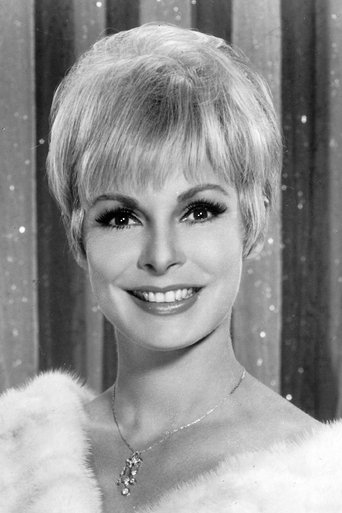
Born Jeanette Helen Morrison in Merced, California, Janet Leigh emerged in the 1940s as one of Hollywood's most versatile performers, equally comfortable in musicals, dramas, and the shadowy precincts of noir. Her ascent was rapid: discovered by Louis B. Mayer at MGM while still a teenager, she matured into a complex actress capable of embodying both glamour and grit. By the mid-1940s, she had begun carving a distinct niche in crime and suspense narratives, where her natural intelligence and cool composure proved invaluable.
Leigh's noir period coincided with Hollywood's postwar obsession with moral ambiguity and psychological darkness. In Act of Violence (1948), she navigated the treacherous landscape of a veteran's revenge plot with understated vulnerability, while The Naked Spur (1953) cast her as a woman caught between honor and survival in the American West. Her roles rarely succumbed to melodrama; instead, she brought a cerebral quality to her characters, suggesting inner depths beneath polished surfaces. Critics noted her ability to convey fear without surrendering dignity.
Though her later career would be defined by mainstream success and celebrity status, Leigh's noir work demonstrated a willingness to explore darker psychological terrain. She collaborated with directors including Fred Zinnemann and Anthony Mann, filmmakers attuned to moral complexity and visual sophistication. Her presence in these films–often as the moral center around which chaos swirled–gave them emotional weight. She proved that noir heroines need not be femmes fatales; they could be principled, intelligent women forced to confront corruption and violence.

Leigh's legacy in noir cinema remains underappreciated, overshadowed by her later iconic role in Psycho (1960). Yet her earlier work in the genre established her as a serious dramatic actress, capable of anchoring morally complex narratives. Her combination of beauty, intelligence, and restraint made her indispensable to the postwar crime narrative.
Janet Leigh embodied the intelligent, composed woman thrust into moral and physical danger–often victimized by circumstance rather than choice. Her noir heroines possessed resilience beneath their composed exteriors, facing corruption and violence with a wry determination that elevated them beyond mere damsels.