Films People Pull a Fast One Night Beat Reading Room On TV Shop
Director · Master of Shadows and Fate

Jacques Tourneur

BornNovember 26, 1904, Paris, France
DiedDecember 19, 1977, Los Angeles, California
Noir Films12 films
Peak Years1944–1950
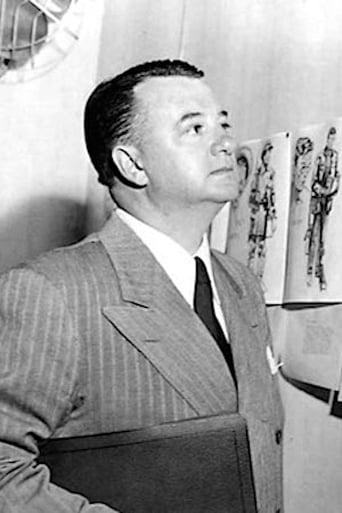
Photo: TMDB
Scroll

Jacques Tourneur was born in Paris in 1904, the son of director Maurice Tourneur, yet forged his own path rather than merely inherit his father's legacy. After apprenticing in silent cinema and working across France and America in the 1920s and 1930s, Tourneur developed a distinctive visual language: intimate framings, deep focus compositions, and a fatalistic sensibility that would define American noir. He arrived at MGM in the early 1940s, where studio discipline and his own restless artistry collided to produce some of cinema's most elegantly constructed crime narratives.

Out of the Past (1947), made for RKO, became Tourneur's masterpiece and a cornerstone of the noir canon. The film's baroque plotting–a doomed man pursued by his past, unable to escape a femme fatale's gravitational pull–found perfect expression in Tourneur's visual strategy: vast empty spaces, shadows that consume entire rooms, and compositions that emphasize the isolation of trapped souls. Robert Mitchum's narration and the Tahitian sequences created an intoxicating blend of romance and dread that critics have never stopped dissecting.

Out of the Past is perhaps the most perfect noir ever made, a film where style and substance have become indivisible. – Paul Schrader, 'Notes on Film Noir'

Beyond Out of the Past, Tourneur demonstrated noir's full spectrum across a handful of essential works. Berlin Express (1948) transported the genre's moral uncertainty to post-war Europe, while films like Nightfall (1956) and Wichita (1955) proved his range extended beyond the classic 1940s moment. Yet Tourneur's later career proved less fertile than his peak; Hollywood's shift away from noir left him increasingly marginalized, though his influence on visual storytelling and the poetry of doom remained immense.

Jacques Tourneur

Tourneur died in 1977, having witnessed the genre he helped perfect fade into history. His legacy rests not on prolific output but on the absolute perfection of a handful of films–works that transformed American crime cinema into high art through composition, performance, and an unshakeable belief that some fates cannot be dodged.

Noir Archetype The Architect of Inevitability

Tourneur wielded camera and composition as instruments of doom, crafting worlds where moral ambiguity and visual poetry conspire to trap his characters. His noir vision prioritizes atmospheric inevitability over plot mechanics–fate arrives not through melodrama but through the quiet geometry of light and shadow.
The Scene That Defines Them

Out of the Past
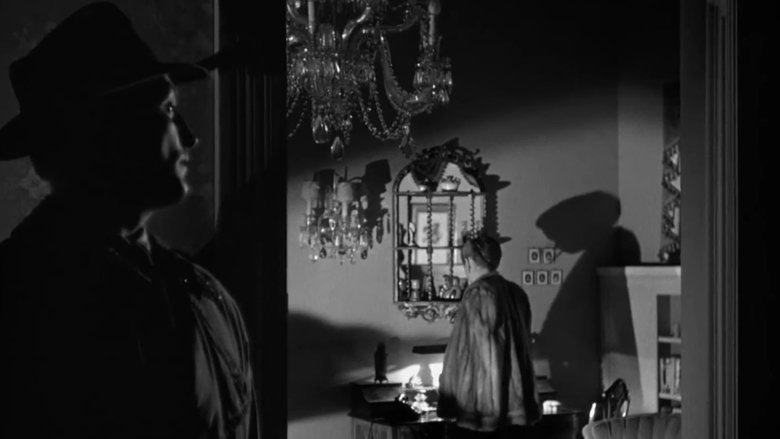
Out of the Past – 1947

Jeff's Return to Acme Mine

Final sequence, approximately 1:45–1:52

In the film's devastating climax, Jeff Bailey stands at the edge of the darkened mine, silhouetted against vast emptiness–a visual summation of Tourneur's entire philosophy. The composition isolates the character within an almost architectural void; shadows become a character themselves, as inevitable and inescapable as fate. This scene crystallizes Tourneur's belief that noir is fundamentally about spaces that swallow men whole, about the geometry of doom.

Build my gallows high, baby.

The Noir Canon

YearFilmRoleDirector
1947Out of the PastJacques TourneurEssential
1948Berlin ExpressJacques TourneurEssential
1955NightfallJacques TourneurEssential

The Road In

1904
Born in Paris

Jacques Tourneur enters the world as the son of Maurice Tourneur, one of France's most accomplished silent-era directors. This lineage grants him access to the highest circles of European cinema while simultaneously burdening him with the weight of paternal legacy.

1920
Begins film apprenticeship

Tourneur works in his father's productions and across French cinema as cameraman and editor, absorbing the visual grammar of silent cinema before sound transforms the medium forever.

1931
American debut as director

Tourneur moves to Hollywood and directs his first features, establishing himself as a reliable craftsman with an eye for atmosphere and mood even in B-picture contexts.

1942
Signs with RKO

Tourneur joins RKO Pictures, where he will create his greatest works. The studio's commitment to atmospheric low-budget crime pictures proves the perfect incubator for his noir sensibility.

1947
Out of the Past achieves canonical status

The release of Out of the Past secures Tourneur's position as a major noir director. The film's commercial success and critical acclaim make it immediately recognizable as a central text of the genre.

1948
Berlin Express extends noir to Europe

Tourneur demonstrates that noir's moral ambiguity and visual poetry can transcend American settings, bringing his fatalistic vision to post-war Berlin and establishing noir as genuinely international.

1950
Transition to studio assignments

As the 1950s arrive, Tourneur's assignments become more conventional Westerns and dramas. The golden age of noir begins its decline, limiting his opportunities for the kind of crime narratives that suited his talents.

1955
Nightfall represents late-period mastery

Nightfall proves that Tourneur's aesthetic vision remained vital even as the classic noir period waned. The film's color cinematography and existential despair show an artist adapting without compromising.

1977
Death in Los Angeles

Jacques Tourneur dies at age 72, having witnessed noir's transformation from living genre into historical artifact. His body of work remains among the most visually perfect achievements in American cinema.