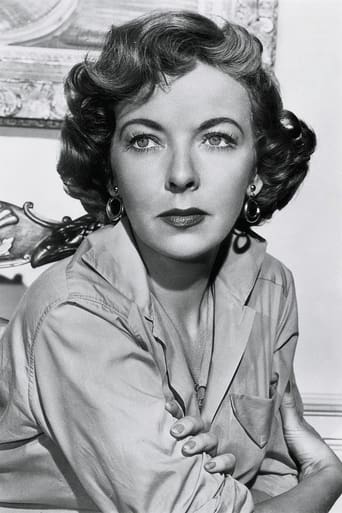
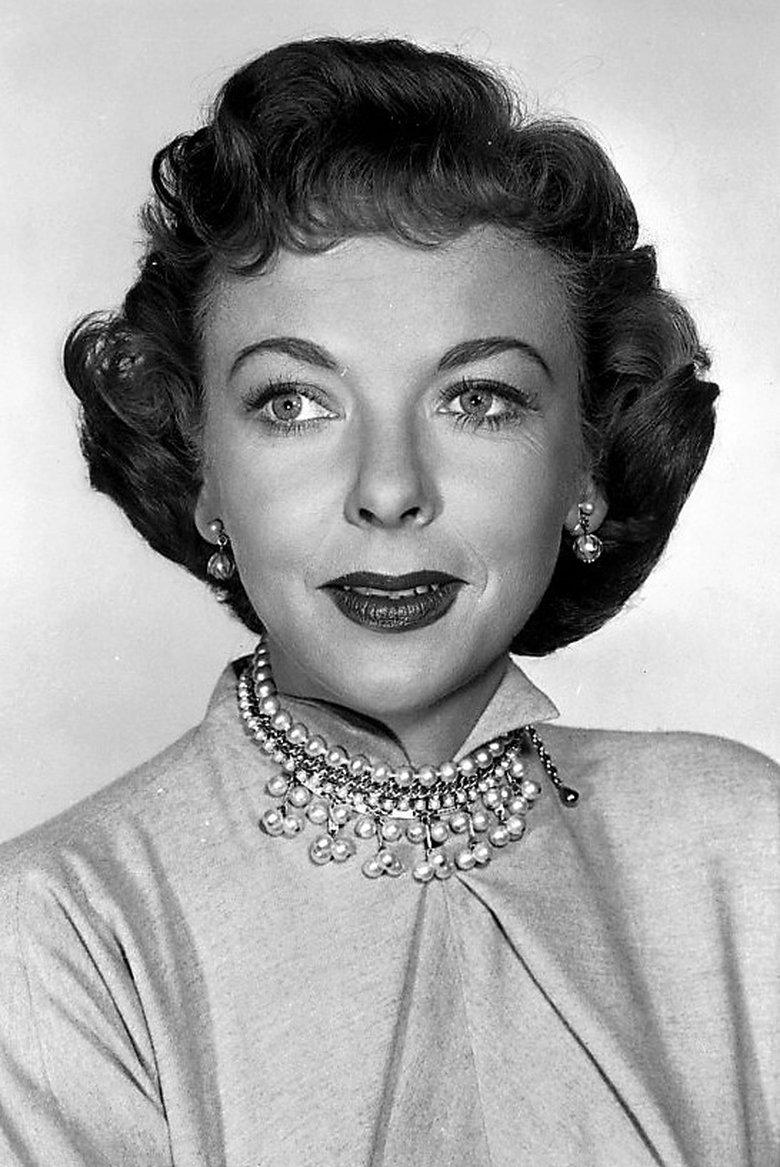
Ida Lupino was born into a distinguished British theatrical family, the daughter of actor Stanley Lupino and actress Connie Emerald. She emigrated to Hollywood in the early 1930s, initially cast in decorative roles that belied her considerable talent and ambition. By the 1940s, she had transformed herself into one of cinema's most compelling dramatic actresses, commanding strong roles in major productions while simultaneously developing her directorial vision. Her refusal to accept studio limitations–both as performer and creator–made her a pioneering figure in an industry determined to constrain female creativity.
In films like *They Drive by Night* and *Road House*, Lupino revealed the intelligence lurking beneath noir's dangerous women, portraying characters caught between circumstance and desire with remarkable nuance. Her performances combined vulnerability with steely determination, suggesting inner lives of complexity that few of her contemporaries explored. She understood that film noir's greatest strength lay not in surface glamour but in psychological depth, and she brought that understanding to every role. By mid-decade, she had become indispensable to the genre's emotional architecture.
Frustrated by the limitations imposed on actresses, Lupino took control of her artistic destiny by founding her own production company and stepping behind the camera. *The Hitch-Hiker* (1953) stands as her masterwork–a lean, pitiless examination of masculinity and victimhood that operates as both thriller and social commentary. *Outrage* (1950) tackled the trauma of sexual assault with unprecedented frankness, establishing her as a director unafraid of subjects Hollywood deemed unmarketable. These films demonstrated that her directorial sensibility possessed the same psychological acuity that had distinguished her acting.
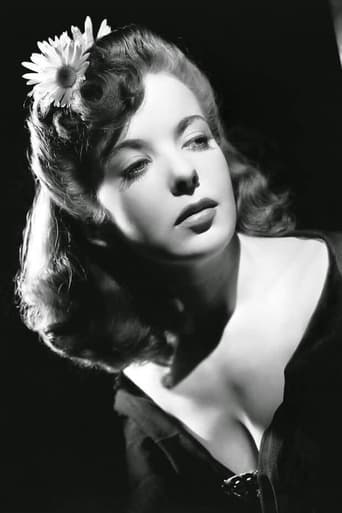
Lupino's dual career as actress and director remained exceptional in an era when studios barely tolerated women in either role. She completed seven feature films as director during the 1950s, working efficiently within B-picture budgets while maintaining artistic integrity. Though she would return primarily to acting and television in later decades, her directorial legacy–spare, morally complex, visually assured–influenced generations of filmmakers. She remains cinema's most significant female noir director and one of the era's finest actresses.
Lupino embodied a complex evolution within noir's feminine archetypes, moving beyond the destructive temptress to portray women of agency and moral ambiguity. Her characters possessed intelligence and independence that challenged genre conventions, often driven by circumstance rather than innate wickedness. Both on screen and behind the camera, she reshaped noir's treatment of female desire and victimhood.