Films People Pull a Fast One Night Beat Reading Room On TV Shop
Writer · The Moral Ambiguity Architect

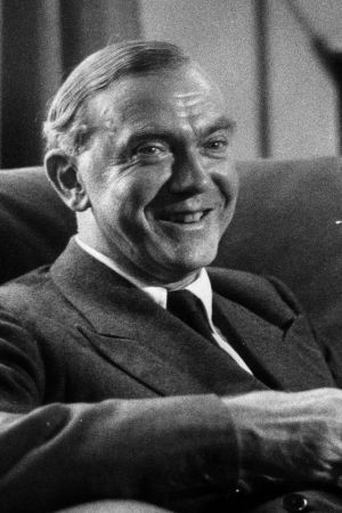
Graham Greene

BornOctober 2, 1904, Berkhamsted, Hertfordshire, England
DiedApril 3, 1991, Vevey, Switzerland
Noir Films4 films
Peak Years1947–1951
Photo: TMDB
Scroll

Henry Graham Greene was born in Berkhamsted, Hertfordshire, the son of a headmaster, and educated at his father's school before attending Balliol College, Oxford. His early conversion to Catholicism in 1926 profoundly shaped his artistic vision, infusing his fiction with questions of sin, grace, and the human capacity for both depravity and redemption. By the 1930s, Greene had established himself as a novelist of considerable talent, publishing works like *Stamboul Train* and *Brighton Rock* that demonstrated his mastery of suspense and psychological penetration. This reputation led naturally to cinema, where his thematic preoccupations found ideal expression in the morally ambiguous world of film noir.

Greene's collaboration with director Carol Reed beginning in 1947 produced some of cinema's most intellectually rigorous noir works. *The Fallen Idol*, adapted from Greene's own short story *The Basement Room*, presented childhood innocence colliding with adult betrayal in postwar London, while *The Third Man* elevated the espionage thriller to philosophical allegory. In Vienna's shadowed rubble, Greene crafted a script that interrogated the very notion of loyalty and friendship, with Orson Welles's Harry Lime embodying the seductive amorality that defines noir's most compelling villains. These films transcended genre conventions, treating noir as a vehicle for serious artistic and spiritual inquiry.

The world is not run by thought, nor by imagination, but by greed and fear. – Graham Greene

What distinguished Greene's approach to noir was his refusal to sentimentalize either virtue or vice. His protagonists–whether the naive Major Calloway of *The Fallen Idol* or the conflicted Holly Martins of *The Third Man*–discover that good intentions offer no protection against a world structured by deception and self-interest. Greene's scripts demonstrate remarkable economy of language and visual suggestion, trusting audiences to perceive moral complexity beneath surface action. His influence extended beyond his own adaptations, establishing a template for literary noir that emphasized character psychology and ethical ambiguity over plot mechanics.
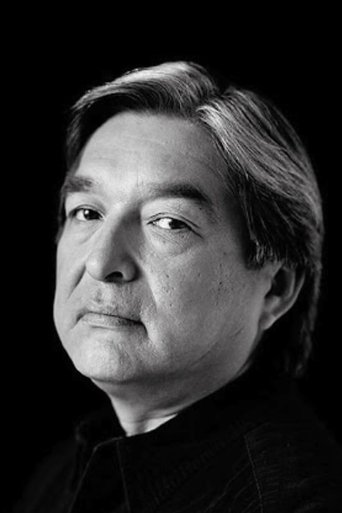
Graham Greene

Though Greene continued writing prolifically throughout his life, his direct contribution to cinema remained concentrated in the postwar years. His legacy in noir cinema rests on a handful of films that proved that the genre could accommodate genuine intellectual substance without sacrificing dramatic power. The Third Man remains canonical cinema; its influence on subsequent espionage thrillers and psychological noir proves immeasurable, establishing Greene as not merely a novelist adapted for screen but a primary architect of noir's moral and philosophical dimensions.

Noir Archetype The Catholic Moralist

Greene brought theological complexity to noir's underworld, exploring guilt, redemption, and the corrupting nature of power through deeply flawed protagonists. His characters inhabit moral grey zones where innocence proves as dangerous as corruption, and faith itself becomes a noir shadow.
The Scene That Defines Them

The Third Man
The Third Man – 1949

The Ferris Wheel Confession

Act Two

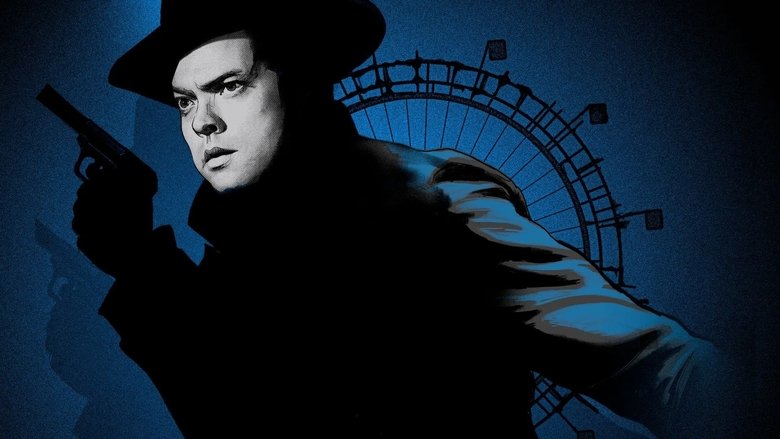
Harry Lime and Holly Martins ascend the Prater Ferris wheel in Vienna, where Lime's philosophy of moral relativism–delivered with charm and menace–exposes the corruption at noir's heart. Against zither music and the city's shadowed expanse below, Lime articulates a vision of human insignificance that renders morality meaningless. This scene crystallizes Greene's preoccupation with how intelligence and charisma seduce us into complicity with evil. It remains one of cinema's most philosophically devastating moments, proving noir could function as genuine moral inquiry.

In Italy, for thirty years under the Borgias, they had warfare, terror, murder, bloodshed–they produced Michelangelo, Leonardo da Vinci. In Switzerland, they had brotherly love, five hundred years of democracy and peace. What did they produce? The cuckoo clock.

The Noir Canon

YearFilmRoleDirector
1944Ministry of FearFritz LangNotable
1947The Fallen IdolCarol ReedEssential
1949The Third ManCarol ReedEssential

The Road In

1904
Born in Berkhamsted, Hertfordshire

Graham Greene born into upper-middle-class English family; his father was headmaster of Berkhamsted School, establishing the institutional settings that would recur throughout his fiction.

1926
Converts to Roman Catholicism

Greene's conversion profoundly altered his artistic vision, introducing theological complexity and moral rigor that would distinguish his noir work from purely entertainment-driven screenwriting.

1938
Publishes Brighton Rock

Greene's breakthrough novel established him as a serious literary voice concerned with evil, redemption, and the spiritual dimensions of crime. The work's success led to film adaptations and enhanced his visibility to cinema producers.

1944
First noir film: Ministry of Fear

Fritz Lang directed this adaptation of Greene's 1943 spy novel, marking Greene's debut as a screenwriter for Hollywood. The film demonstrated the viability of Greene's psychological approach to espionage thriller material.

1947
Collaborates with Carol Reed on The Fallen Idol

Greene adapted his own short story *The Basement Room* for Reed's direction, establishing a creative partnership that would produce cinema's most intellectually ambitious noir works. The film premiered to critical acclaim.

1949
Completes The Third Man script

Greene wrote the novella and script in tandem, creating what many consider the greatest postwar British film and one of noir cinema's philosophical masterpieces. Orson Welles's casting as Harry Lime transformed the material into legend.

1950
Academy Award nomination for Best Original Story

The Third Man received international recognition, including an Oscar nomination for Greene's original screenplay, legitimizing literary ambition within the noir genre and elevating his profile as a screenwriter.

1951
The Man Between released

Greene and Reed's final direct collaboration, set in postwar Berlin, extended their examination of morality in occupied Europe. The film's Cold War tensions reflected Greene's ongoing preoccupation with ideological corruption.

1958
Our Man in Havana adapts own novel

Greene returned to screenwriting with Reed directing this spy comedy-noir hybrid set in Cuba. The film demonstrated his versatility, blending satirical humor with noir's darker undercurrents.

1991
Dies in Vevey, Switzerland

Greene died at age 86, leaving behind a literary legacy of nearly 60 years and a cinema corpus that redefined noir's intellectual and spiritual possibilities, influencing generations of filmmakers.