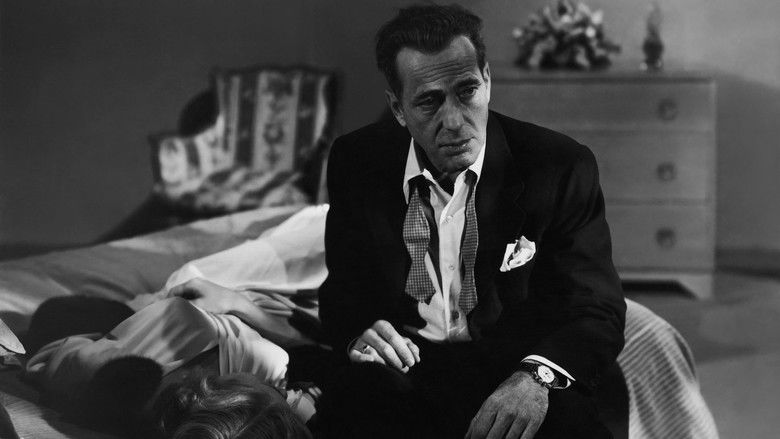
Gloria Grahame was born Gloria Hallward in Los Angeles on November 28, 1923, the daughter of Joan Hallward, an English actress, and Michael Hallward, a wealthy industrialist. Her mother's theatrical connections placed young Gloria in the orbit of performance from childhood, though her father's disapproval of show business created an early tension between ambition and propriety. She studied drama intensively and made her stage debut in Los Angeles before transitioning to Broadway in the early 1940s, where her beauty and nuanced acting caught the attention of Hollywood scouts.
Arriving in Hollywood during the wartime boom, Grahame initially received decorative roles in musicals and comedies, her striking red hair and luminous screen presence marking her as a potential ingénue. However, it was the postwar turn toward psychological darkness that revealed her true gifts. Directors like Fritz Lang and Nicholas Ray recognized in Grahame a capacity for moral complexity and authentic vulnerability that transcended the typical femme fatale mold, leading to a series of complex, often tragic roles that became her definitive work.
Her collaboration with director Fritz Lang produced some of noir's most haunting moments. In The Big Heat (1953), she delivered a tour-de-force performance as Debby Marsh, the gangster's girlfriend with a conscience, while Human Desire (1954) cast her opposite Glenn Ford in a tale of passion and betrayal. Yet it was In a Lonely Place (1950), directed by Nicholas Ray and co-starring Humphrey Bogart, that showcased her greatest achievement–a portrait of a woman caught between love and self-preservation, her Oscar-winning performance in The Bad and the Beautiful (1952) suggesting depths of emotion rare in the genre.
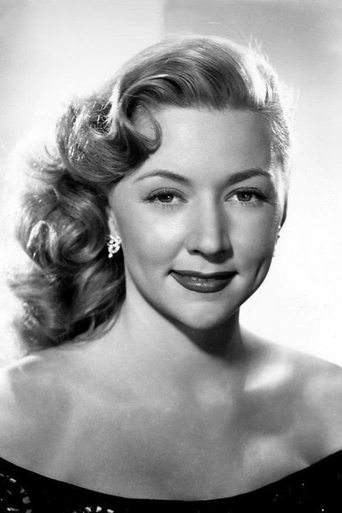
Despite her artistic success, Grahame's personal life remained turbulent, marked by failed marriages and industry politics that dimmed her star by the mid-1950s. She continued working in lesser films and television, maintaining a fierce commitment to her craft even as opportunities dwindled. Her legacy rests not on quantity but on the indelible mark she left on noir cinema–a woman's face registering genuine feeling in a genre often cynical about emotion.
Grahame embodied a uniquely vulnerable strain of film noir femininity–the seductress capable of genuine feeling, often victimized by circumstance rather than moral corruption. Her characters possessed a fractured quality, beautiful yet wounded, capable of both manipulation and tenderness, making her the noir heroine most prone to redemption.