Films People Pull a Fast One Night Beat Reading Room On TV Shop
Actor · The Everyman Betrayed

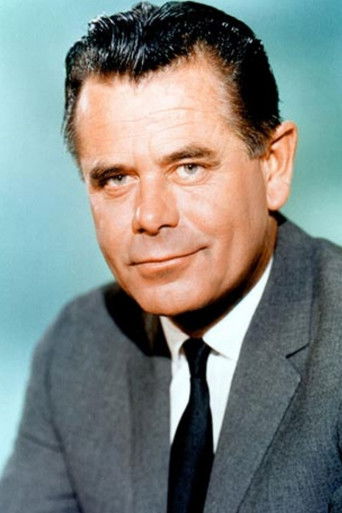
Glenn Ford

BornMay 1, 1916, Sainte-Christine, Quebec, Canada
DiedAugust 30, 1994, Beverly Hills, California
Noir Films12 films
Peak Years1946–1956
Photo: TMDB
Scroll

Gwyllyn Samuel Newton Ford was born in Sainte-Christine, Quebec but raised in Santa Monica, California, where he absorbed the rhythms of American working-class life that would define his screen persona. After military service in World War II, Ford signed with Columbia Pictures and quickly became one of Hollywood's most reliable leading men. His early roles showcased a deceptive mildness–a veneer of decency that noir directors would exploit ruthlessly, peeling back layers to reveal the desperation and rage beneath.

Ford's noir period coincided with Hollywood's darkest aesthetic experiments. In *Gilda* (1946), he played opposite Rita Hayworth in what became an instant classic, though his character's wounded pride and jealousy drove the film's emotional core as much as her legendary performance. The role established Ford's ability to project wounded masculinity–a man capable of tenderness but also capable of cruelty when his ego or trust is shattered.

Ford had the rare gift of making a man's corruption seem not inevitable but earned–each moral compromise was a visible wound. – David Thomson, 'Have You Seen...?'

The 1950s saw Ford deepen his noir credentials with increasingly brutal psychological portraits. *The Big Heat* (1953) and *Human Desire* (1954) reunited him with director Fritz Lang, who recognized in Ford a vessel for exploring masculine trauma and the thin line between justice and vengeance. In these films, Ford's characters descend into obsession and violence with a methodical intensity that suggested moral compromise was not weakness but necessity.

Ford's later career broadened beyond noir, but his contributions to the genre remain among its finest–a testament to his ability to make ordinary men extraordinary through suffering and moral compromise. His work defined a distinctly American archetype: the decent man undone by circumstances beyond his control, fighting back with whatever tools he possessed, regardless of cost.

Noir Archetype The Corrupted Common Man

Glenn Ford embodied the noir archetype of the ordinary man dragged into darkness–not through villainy, but through circumstance, desire, or the cruelty of others. His strength lay not in morality but in survival, often against overwhelming odds orchestrated by femmes fatales or brutal crime syndicates. Ford's naturalistic intensity made his descent into moral compromise feel inevitable rather than theatrical.
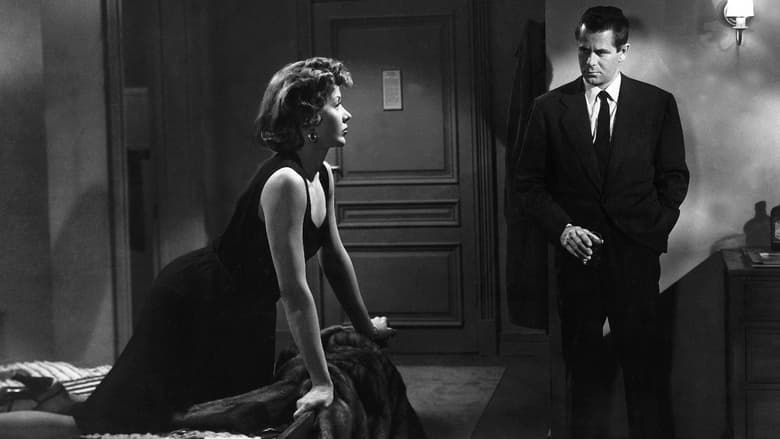
The Scene That Defines Them

The Big Heat
The Big Heat – 1953

The Scalding Coffee

Late second act, climactic revenge sequence

Ford's detective Dave Bannion forces scalding coffee into the face of the femme fatale Gloria (Gloria Grahame) in an act of sudden, shocking violence. The scene encapsulates Ford's noir essence: a decent man pushed past his breaking point by loss and betrayal, committing an act so brutal it erases the line between justice and cruelty. Fritz Lang holds the moment with unflinching clarity, making the audience complicit in Bannion's transformation. It remains one of noir's most uncomfortable moments of masculine rage.

I'm going to make you pay for what you did.

The Noir Canon

YearFilmRoleDirector
1946GildaJohnny FarlinCharles VidorEssential
1950The Undercover ManFrank AmesJoseph H. LewisNotable
1950ConvictedChris PalmerHenry LevinCurio
1952The Green GloveMajor Mike BrennanRudolph MatéNotable
1953The Big HeatDave BannionFritz LangEssential
1954Human DesireJeff WarrenFritz LangEssential

The Road In

1916
Birth in Sainte-Christine, Quebec

Born Gwyllyn Samuel Newton Ford on May 1 to Canadian parents.

1924
Family relocates to Santa Monica

Ford grows up in Southern California, absorbing American working-class culture that would shape his screen presence.

1939
Broadway debut in 'Mister Roberts'

Ford's stage work earned notice and led to early Hollywood interest.

1942
Enlists in USMC

Serves four years during World War II, delaying his film career but deepening his understanding of American manhood and sacrifice.

1946
'Gilda' released

Ford's first major noir role opposite Rita Hayworth establishes him as a serious dramatic actor capable of vulnerability and rage.

1953
'The Big Heat' released

Reunites Ford with director Fritz Lang; the film becomes a masterpiece of masculine trauma and moral corruption in noir cinema.

1954
'Human Desire' released

Second collaboration with Lang further explores Ford's ability to portray psychological breakdown and obsessive violence.

1955
'Blackboard Jungle' marks genre shift

Ford begins transitioning away from noir toward broader dramatic roles, though his dark intensity remains a signature quality.

1962
Receives Hollywood Walk of Fame star

Recognition of Ford's sustained contributions to American cinema across multiple genres.

1994
Death in Beverly Hills

Glenn Ford dies at age 78, leaving behind a legacy as one of noir's most psychologically complex male leads.