Films People Pull a Fast One Night Beat Reading Room On TV Shop
Actor · The Coin-Flip Charmer

George Raft

BornSeptember 26, 1901, New York City, New York
DiedNovember 24, 1980, Los Angeles, California
Noir Films18 films
Peak Years1939–1950
Photo: TMDB
Scroll

George Raft was born in New York's Hell's Kitchen, a neighborhood that would define his screen persona for decades. The son of a bartender, he grew up in streets where survival meant reading people and situations with preternatural speed. Before cinema claimed him, Raft was a dancer and nightclub performer, skills that translated into an onscreen physicality unlike his contemporaries. He brought the rhythms of the speakeasy and the dance hall to film noir, his body language a lexicon of tension, wariness, and coiled aggression.

Raft's breakthrough came in the early 1930s, but his golden noir period arrived in the 1940s when Warner Bros. recognized him as the ideal embodiment of the urban criminal. In *Each Dawn I Die* (1939) and *They Drive by Night* (1940), he established the template for his noir work: the racketeer or ex-con navigating moral quicksand with style but no salvation. His famous coin-flip mannerism–a genuine habit he had developed in real life–became his signature, a visual shorthand for indecision and fatalism. The gesture suggested both confidence and desperation, a man letting chance decide because choice had already failed him.

Raft's genius was making the small-time crook seem almost sympathetic–not because he was good, but because he was so clearly doomed. – Manny Farber, film critic

What set Raft apart from other noir tough guys was his reluctance to project invulnerability. His characters bore visible strain, the weight of bad decisions and worse odds etched into their faces. He worked frequently with director Raoul Walsh, whose kinetic storytelling complemented Raft's nervous intensity. By the late 1940s, however, Raft's dominance was waning; younger actors with different energies were claiming the noir throne. His later career would be marked by television work and character roles, a steady decline from the days when his name alone could sell a picture.
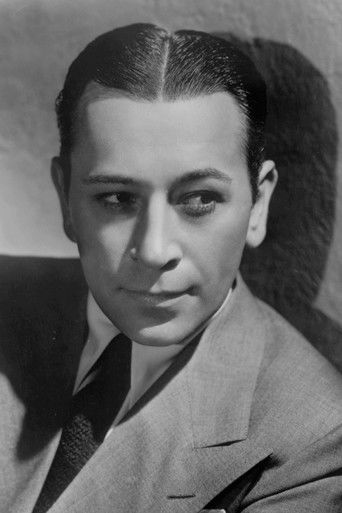
George Raft

Raft remained a fixture of Hollywood until his death in 1980, though his greatest legacy was cemented in those noir years when he seemed to embody the American criminal as tragic figure–not evil, but unlucky, charming his way toward inevitable doom. His influence on the genre remains understated but profound; he proved that noir's antihero did not require depth of soul, only depth of surface.

Noir Archetype The Gambler's Fatalist

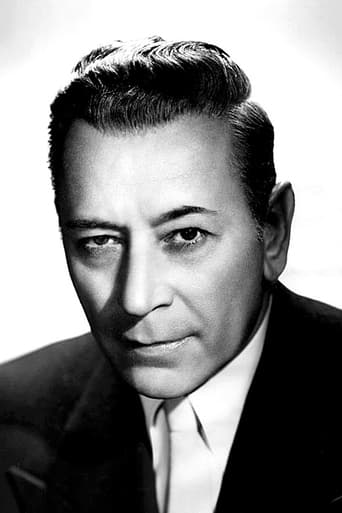
Raft embodied the small-time operator caught between survival and self-destruction, a man whose charm and quick reflexes could not outrun his own bad luck. He specialized in playing characters defined by nervous energy and moral compromise–the hood who knows the score but plays anyway, trapped in a world where the dice are always loaded against him.
The Scene That Defines Them

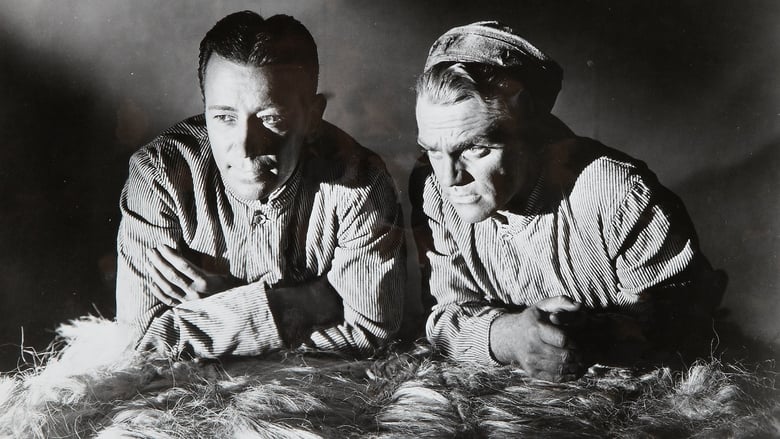
Each Dawn I Die
Each Dawn I Die – 1939

The Prison Yard Confrontation

Third act

Raft's character faces his cellmate across the prison yard, the tension between them crackling with barely suppressed violence. The scene captures Raft's essential quality: a man whose physical grace and quick intelligence are useless against the machinery that has trapped him. His face shows exhaustion and resignation, the coin-flip gesture returning as a nervous tic. In this moment, Raft communicates entire philosophies about fate and powerlessness without speaking.

The Noir Canon

YearFilmRoleDirector
1940They Drive by NightJoe FabriniRaoul WalshEssential
1946NocturneJoe RolfeEdwin L. MarinRecommended
1947The UnsuspectedVictor GrandisonMichael CurtizNotable
1948Race StreetDanny MalloyEdwin L. MarinNotable
1950Red LightNick CherneyRoy Del RuthCurio
1952Loan SharkJoe GarotaRichard BareNotable

The Road In

1901
George Ranft born in Hell's Kitchen

Born into a working-class New York family in one of the city's toughest neighborhoods, establishing the street sensibility that would define his screen persona.

1920
Begins career as professional dancer

Raft enters the entertainment world as a dancer in Broadway productions and nightclubs, developing the physical grace that would distinguish his later film work.

1932
Film debut in Scarface

Raft appears in Howard Hawks' seminal gangster film, beginning his long association with crime roles, though he was initially overshadowed by Paul Muni.

1939
Breakthrough in Each Dawn I Die

Raft's starring role in this Warner Bros. prison drama establishes him as a major noir talent, showcasing his ability to convey moral ambiguity and fatalism.

1940
Collaboration with Raoul Walsh begins

They Drive by Night marks the beginning of Raft's most fruitful creative partnership, with Walsh directing him in five noir features over the next decade.

1946
Nocturne released

Raft stars in this lesser-known gem, a stylish film noir that demonstrates his capacity for both comedy and drama in a non-violent role.

1950
Peak noir period ends

By mid-century, Raft's box office appeal diminishes as the industry shifts toward younger actors; his roles become smaller and his billing lower.

1955
Transition to television

Raft moves increasingly toward television work, appearing in anthology series and smaller roles as his film career winds down.

1970
Late-career character roles

Raft continues working in minor film and television parts, maintaining a presence in Hollywood despite his distance from his noir heyday.

1980
Death in Los Angeles

George Raft dies at age 79, leaving behind a legacy as one of the definitive noir archetypes of American cinema's greatest decade.