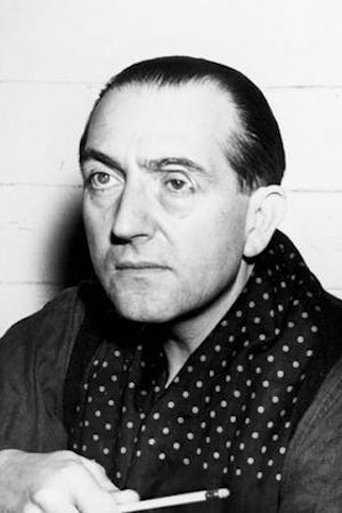
Fritz Lang arrived in Hollywood in 1936 as a refugee from Nazi Germany, carrying with him the visual vocabulary of German Expressionism and a lifetime of artistic innovation. Born in Vienna and trained as an architect, he had already revolutionized cinema in Weimar Germany with films like Metropolis and M, establishing himself as a master of visual storytelling and complex moral narratives. His transition to American noir was not a compromise but a continuation–the dark streets and shadowed interiors of 1940s cinema provided the perfect canvas for his pessimistic worldview and formally precise direction.
Lang's American noir cycle, beginning with The Woman in the Window in 1944, established him as a philosopher of entrapment and desire. Working frequently with cinematographer Milton Krasner and actors like Edward G. Robinson and Joan Bennett, he crafted films that examined how ordinary men and women become ensnared by circumstance, passion, and moral weakness. His narratives often featured protagonists whose respectable lives crumble when confronted with temptation or violence, revealing the fragile structures that separate civilization from chaos. This thematic consistency, married to his meticulous visual control, made him one of noir's most intellectually rigorous practitioners.
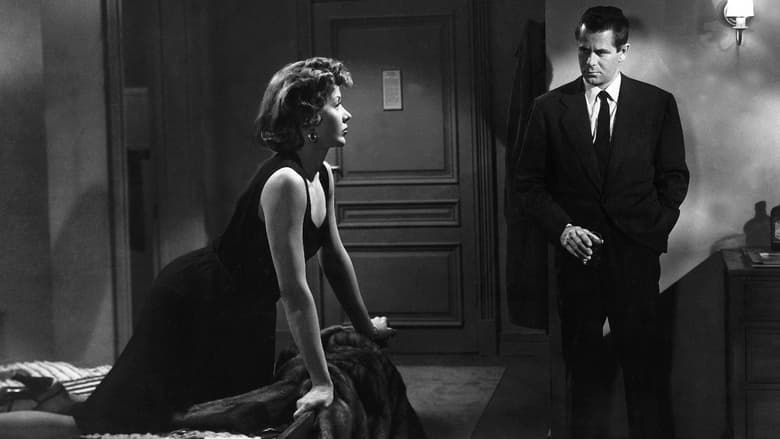
The Big Heat (1953) represents the apotheosis of Lang's noir vision: a film about a widower's descent into vengeance that becomes a study in the destructive nature of obsession and the impossibility of justice through violence. Lang's camera moves with surgical precision through rooms and streets, trapping characters in geometric compositions that visualize their moral and psychological prisons. His use of light and shadow was never mere atmosphere but rather an externalization of inner corruption, making the visual language itself a form of narrative commentary. By the mid-1950s, as the classic noir cycle waned, Lang's unflinching exploration of human darkness had established him as the genre's greatest formal poet.
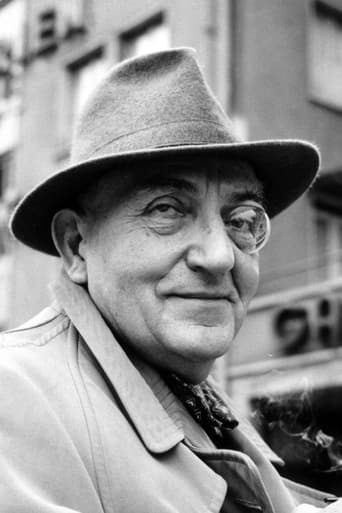
Though his American career would decline in the late 1950s and he returned to Europe before his death, Lang's influence on noir remained immeasurable. He demonstrated that genre cinema could sustain serious artistic ambition, that visual form could embody moral philosophy, and that entertainment need not sacrifice intellectual complexity. His legacy redefined what American cinema could achieve, proving that an immigrant director could transform the language of film itself.
Fritz Lang brought European expressionism and philosophical rigor to American noir, transforming pulp crime narratives into meditations on fate, guilt, and the corruption lurking beneath bourgeois surfaces. His films operate as moral allegories, where visual distortion mirrors psychological collapse and the mise-en-scène becomes a character itself.