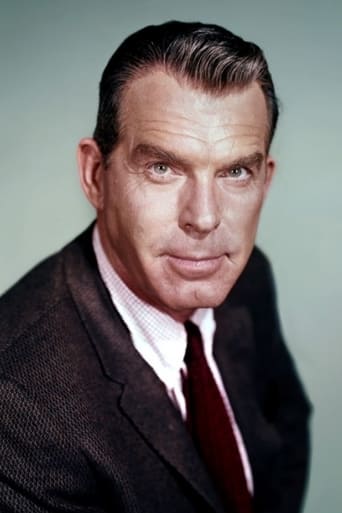
Frederick Martin MacMurray was born in Kankakee, Illinois, the son of a concert pianist and drama teacher. His early career encompassed both stage work and film roles in light comedies and musicals during the 1930s, where his affable manner and boyish charm made him a reliable leading man. Yet it was noir cinema that would strip away this benign surface and expose the darker capabilities within his screen persona. MacMurray's willingness to play morally compromised characters–greedy, lustful, or cowardly–set him apart from contemporaries content to remain heroes.
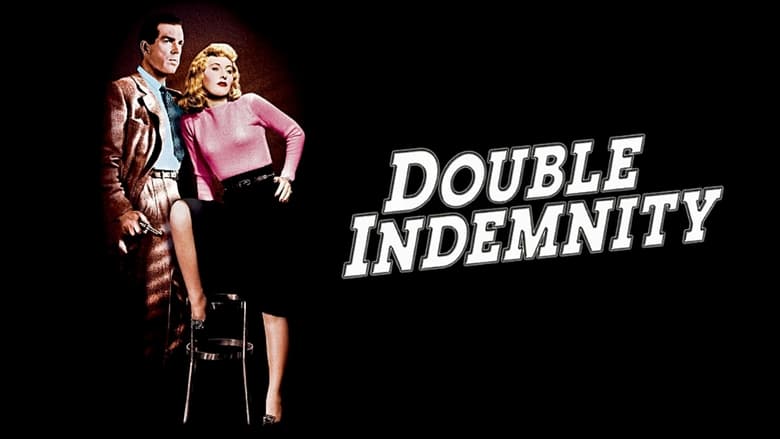
The turning point arrived with Billy Wilder's Double Indemnity in 1944, where MacMurray's insurance adjuster Walter Neff descends into murder and betrayal with a chilling credibility. Working opposite Barbara Stanwyck's predatory femme fatale, MacMurray conveyed a fatal weakness that audiences recognized in themselves. His ability to suggest intelligence and self-awareness even as his character plummets into ruin became his greatest strength in noir. The film established him as a serious dramatic actor capable of embodying American corruption.
Throughout the late 1940s and 1950s, MacMurray continued to explore morally ambiguous roles in crime dramas and thrillers. In Pushover and The Reckless Moment, he portrayed men undone by passion or poor judgment, never relying on charm to redeem their transgressions. His understated delivery and naturalistic style lent credibility to scenarios that might have seemed melodramatic in other hands. MacMurray's noir work demonstrated that masculinity could be vulnerable, that respectability was a mask, and that any man might yield to temptation.
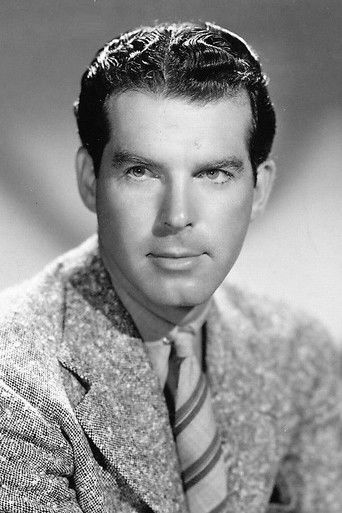
Following his noir period, MacMurray transitioned into television and family entertainment, eventually becoming synonymous with the wholesome patriarch in My Three Sons. Yet his noir films remain his most penetrating work, capturing a specific postwar anxiety about the American male's capacity for moral collapse. His legacy rests on the films where he played against type, revealing the darkness lurking beneath the ordinary suit.
MacMurray epitomized the noir protagonist who abandons morality for desire or financial gain. His carefully constructed veneer of respectability–the insurance salesman, the solid citizen–crumbles when tempted by a femme fatale or circumstance, revealing the corruption beneath the American façade.