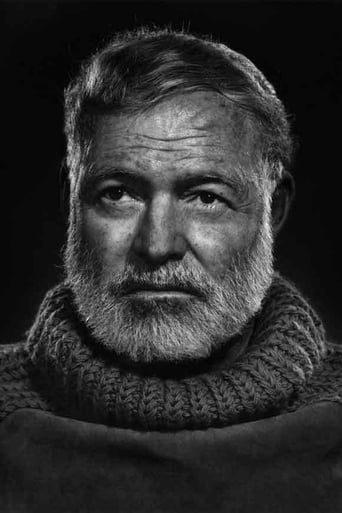
Ernest Hemingway's transition from literary icon to noir architect began with the 1944 adaptation of To Have and Have Not, directed by Howard Hawks. The film transformed Hemingway's Depression-era novel into a wartime thriller suffused with double entendre and dangerous romance, establishing him as a writer whose work could sustain the genre's visual and narrative demands. His sparse, declarative prose–with its emphasis on what is left unsaid–proved ideally suited to noir's oblique storytelling and morally compromised characters. The success of this adaptation positioned Hemingway as a crucial figure in noir's intellectual legitimacy.
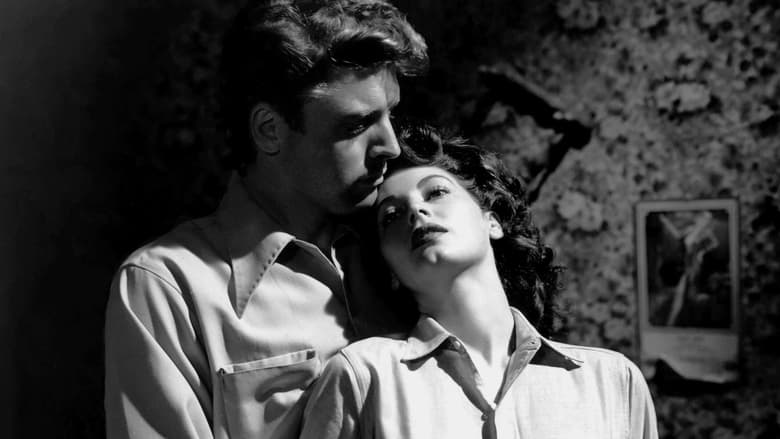
The 1946 production of The Killers, based on Hemingway's celebrated 1927 short story, further cemented his influence on noir sensibility. Director Robert Siodmak transformed the story's circular narrative of inevitability into a baroque thriller featuring Burt Lancaster's doomed boxer and a structure that pioneered the flashback-heavy architecture noir would embrace. The film's opening–two hitmen entering a diner to execute their target–became one of noir's most imitated sequences. Hemingway's minimalist original, with its famous final lines about acceptance of fate, provided the thematic core for noir's exploration of entrapment and resignation.
Beyond direct adaptations, Hemingway's aesthetic profoundly shaped noir at the level of style and philosophy. His Code–the notion that a man demonstrates his worth through dignity under duress–resonated through the noir protagonist from Johnny Farrow to Giff Elstree. Screenwriters and directors absorbed his lessons about understatement, the power of physical detail over explanation, and the moral complexity of survival in an indifferent world. His influence extended to lesser adaptations and homages, subtly informing the genre's entire approach to character and dialogue.
Though Hemingway maintained ambivalence toward Hollywood, his work remained perpetually available to noir producers throughout the 1950s. He represented a bridge between literary modernism and genre cinema, proving that serious fiction could achieve commercial and artistic success on screen. His legacy in noir transcended individual films to become a foundational influence on how American cinema would depict violence, desire, and the human capacity for endurance.
Hemingway embodied the writer-adventurer whose unvarnished prose style became the literary backbone of noir cinema. His sparse dialogue, cynical worldview, and moral ambiguity influenced how screenwriters crafted the genre's most quotable lines and fatalistic narratives.