Films People Pull a Fast One Night Beat Reading Room On TV Shop
Actor · The Nervous Victim

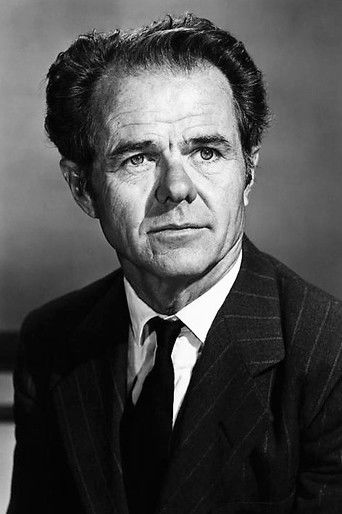
Elisha Cook Jr.

BornDecember 26, 1906, San Francisco, California
DiedMay 18, 1995, Toluca Lake, California
Noir Films18 films
Peak Years1941–1956
Photo: TMDB
Scroll

Elisha Cook Jr. was born in San Francisco and trained as a vaudeville performer before transitioning to Broadway and film in the 1930s. His wiry frame, nervous mannerisms, and distinctive nasal voice made him instantly recognizable, if never quite sympathetic. By the early 1940s, he had become a fixture in Hollywood character roles, but it was his collaboration with director John Huston on The Maltese Falcon that crystallized his persona: the doomed, sweating informant whose desperation and weakness serve only to accelerate his own destruction.

Cook's golden era arrived in the mid-1940s, when studios recognized the commercial and artistic value of his particular vulnerability. In The Big Sleep, he played the tragic Harry Jones opposite Lauren Bacall and Humphrey Bogart, delivering a performance of genuine pathos beneath the thriller's stylish surface. His ability to convey panic with minimal physical resources–a twitch, a glance, a crack in his voice–made him indispensable to the genre. He worked with the finest directors of the period, from Howard Hawks to Stanley Kubrick, and his presence in a film's cast signaled to audiences that moral danger was imminent.

Cook could make you believe in the desperation of a small man caught in a large machinery – he was the conscience of noir, the mirror in which we saw our own vulnerability. – David Thomson, film historian

Throughout the 1950s, Cook continued to secure roles in prestige productions, most memorably in Kubrick's The Killing, where he played a racetrack worker ensnared in a heist that would claim multiple lives. His performances retained a tragic dignity despite the servile or pathetic characters he inhabited. Cook understood that noir villainy often emerged not from malice but from desperation and circumstance. He brought a Shakespearean quality to minor roles, suggesting inner lives of surprising depth and melancholy.

Elisha Cook Jr.

Cook's legacy rests on his willingness to embrace the genre's moral ambiguity and his technical mastery of the character actor's craft. He worked steadily through the 1960s and beyond, but his noir period remains his finest achievement. In an era of heroic antiheroes and confident criminals, Cook offered something rarer: the portrait of small men crushed by systems they never created, victims of their own weakness and of forces far beyond their comprehension.

Noir Archetype The Expendable Patsy

Cook embodied the small-time crook or terrified witness–often the first casualty in a larger criminal machinery. His trembling voice, hollow eyes, and physical frailty made him the perfect instrument of noir's darker pessimism: the ordinary man ground beneath forces he cannot control or comprehend.
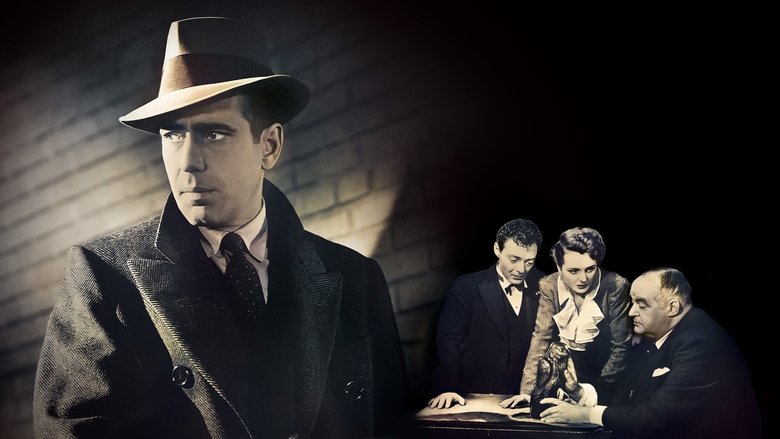
The Scene That Defines Them

The Maltese Falcon
The Maltese Falcon – 1941

Wilmer's Betrayal

Final act

Cook, as the young gunsel Wilmer Cook, sits trembling in Spade's office, his eyes darting between the men who have used and discarded him. Bogart's Spade, playing the father figure and avenger, verbally dismantles the boy with cold precision. Cook's face registers the awful realization that he has been expendable all along–a loyal soldier in a war fought by men who regard him as vermin. The scene encapsulates Cook's entire noir archetype: the small, desperate creature made smaller by proximity to larger evils.

You're a gunsel, aren't you?

The Noir Canon

YearFilmRoleDirector
1941The Maltese FalconWilmer CookJohn HustonEssential
1946The Big SleepHarry JonesHoward HawksEssential
1944Phantom LadyCliff MarchRobert SiodmakRecommended
1947Born to KillMart WatermanRobert WiseRecommended
1950The Asphalt JungleLouis CiavelliJohn HustonEssential
1955Kiss Me DeadlyNick EvelloRobert AldrichRecommended
1946GildaUncle PioCharles VidorRecommended
1956The KillingGeorge PeattyStanley KubrickEssential

The Road In

1906
Born in San Francisco

Elisha Cook Jr. is born December 26, 1906, in San Francisco, California.

1920
Begins vaudeville career

Cook enters show business as a young performer in vaudeville, developing the comedic timing and physical expressiveness that would define his acting style.

1930
Broadway debut

Cook transitions to the New York stage, appearing in Broadway productions and establishing himself as a character actor of note.

1936
Hollywood debut

Cook moves to Hollywood and begins appearing in film roles, initially in small and uncredited parts in B-pictures and studio productions.

1941
The Maltese Falcon

Cook achieves recognition in John Huston's masterpiece, cast as the doomed young gunsel Wilmer Cook. The role establishes his noir archetype and leads to consistent character work.

1946
Peak period begins

Cook appears in Howard Hawks' The Big Sleep alongside Bogart and Bacall, earning widespread critical praise for his vulnerable performance as Harry Jones.

1950
The Asphalt Jungle

Cook joins Huston again for the seminal heist noir, playing the nervous fence Ciavelli. The film secures his legacy as a master of depicting criminal desperation.

1956
The Killing

Cook delivers a standout performance in Stanley Kubrick's third feature, playing the racetrack worker whose wife's betrayal triggers the heist's collapse. The role marks the peak of his noir work.

1960
Noir period ends

Cook transitions to television and character roles in later films, though his 1950s noir work remains the defining achievement of his career.

1995
Death

Cook dies May 18, 1995, in Toluca Lake, California, aged 88. His legacy in noir cinema remains secure as one of the genre's most distinctive and affecting character actors.