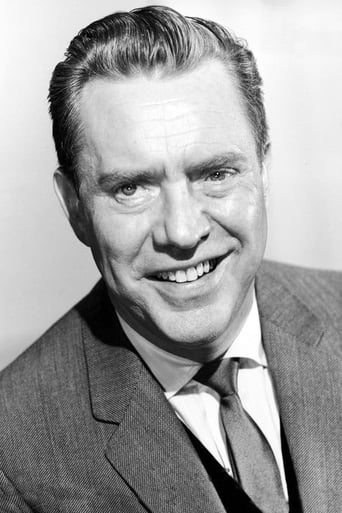
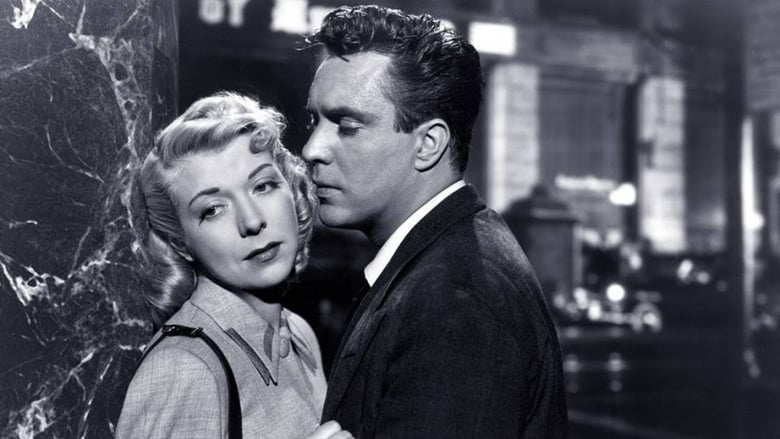
Edmond O'Brien was born in Brooklyn, New York, in 1915 and came of age during Hollywood's golden era. After stage work and smaller film roles in the late 1930s, he steadily built a reputation as a reliable character actor before noir cinema seized upon his particular gifts–his hangdog sincerity, his capacity to register existential panic, and his ability to make the audience believe in the downfall of an average man. O'Brien's dark period coincided with the post-war flourishing of the genre, positioning him as one of its defining interpreters.
His performance in D.O.A. (1950) became definitive for the noir tradition–a man poisoned, desperate to discover his own murderer before his imminent death. The film's premis, baroque and fever-dream in its logic, required an actor of O'Brien's grounded realism to work; his panic felt earned rather than theatrical. Similarly, in The Killers (1946), he delivered a portrait of the fall guy caught between gangsters and femmes fatales, his everyman quality making the betrayals cut deeper. These roles established him as the genre's ideal victim.
Beyond noir, O'Brien maintained a substantial Hollywood career spanning decades, appearing in dramas, comedies, and later television with equal professionalism. His willingness to play morally ambiguous or defeated characters set him apart from leading men of the era who preferred heroic roles. He earned Academy Award recognition and continued working until his death in 1985, but it is his 1940s and 1950s noir work–the period when he seemed to embody the postwar American anxiety–that remains his most enduring legacy.

O'Brien's gifts lay not in charisma or imposing screen presence but in his ability to render psychological dissolution believable. He made audiences feel the terrible logic of noir: that good intentions count for nothing, that chance governs destiny, and that the ordinary man is the most expendable figure in a corrupt world. His career remains a masterclass in character acting within genre cinema.
O'Brien embodied the noir archetype of the unremarkable citizen suddenly ensnared by fate or circumstance. His ability to project vulnerability and moral bewilderment made him the perfect vessel for stories where ordinary lives collide with extraordinary corruption, death, and despair.