Films People Pull a Fast One Night Beat Reading Room On TV Shop
Composer · The Melodist of Shadows

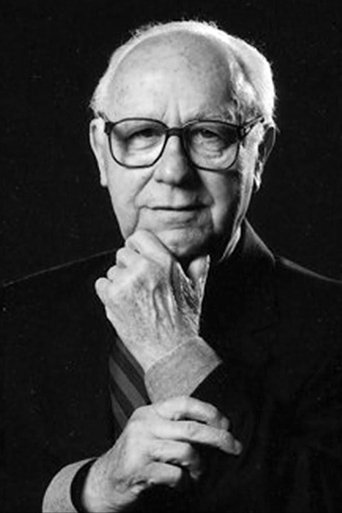
David Raksin

BornAugust 4, 1912, Philadelphia, Pennsylvania
DiedAugust 9, 2004, Los Angeles, California
Noir Films12 films
Peak Years1944–1950
Photo: TMDB
Scroll

David Raksin was born in Philadelphia in 1912 and emerged as one of cinema's most sophisticated film composers, earning recognition for his ability to infuse noir narratives with psychological depth through orchestral refinement. After early work in theater and radio, Raksin came to Hollywood in the late 1930s, initially as an arranger and assistant to Alfred Newman at Twentieth Century-Fox. His breakthrough came with Otto Preminger's Laura in 1944, a film whose haunting piano-led theme became one of cinema's most iconic melodies and established Raksin's signature approach: balancing romantic lyricism with underlying darkness.

Throughout the 1940s, Raksin became the composer of choice for psychological thrillers and noir narratives that demanded emotional subtlety. His collaboration with director Abraham Polonsky on Force of Evil in 1948 produced one of noir's most sophisticated scores, marrying jazz idioms with classical structure to underscore the film's examination of moral compromise and urban corruption. Raksin's orchestrations were never merely decorative; they functioned as a parallel narrative, revealing the interior emotional states of characters trapped in morally compromised situations. His work during this period demonstrated that film noir's sensibility could be served through European concert-music traditions rather than exclusively through lowbrow popular forms.

Raksin understood that noir's despair needed a kind of broken poetry to be bearable. His melodies don't resolve; they linger, suspended in the very ambiguity the films explore. – Robert Altman, on Raksin's orchestral philosophy

Beyond his noir masterworks, Raksin composed for a diverse range of productions, including Forever Amber and various dramas, proving his versatility and technical mastery. He was nominated for Academy Awards and won the Golden Globe, recognition of his standing within the industry. Raksin's influence extended beyond his own catalog; his scores demonstrated to subsequent composers that noir could achieve artistic legitimacy through serious orchestration. His later career saw him teaching and continuing to compose, maintaining standards of craftsmanship that seemed increasingly rare in post-war Hollywood.

Raksin's legacy rests on his conviction that film music must serve emotional truth before narrative convenience. His scores remain models of economy and psychological acuity, proving that noir's philosophical pessimism could be articulated through refined musical language. He died in 2004, but his themes–particularly Laura's haunting melody–continue to define the emotional vocabulary of American noir cinema.

Noir Archetype The Orchestral Poet

Raksin embodied the romantic yet psychologically complex composer who elevated noir through lush, introspective orchestration. Rather than relying on hard-boiled jazz clichés, he composed themes of yearning melancholy that deepened the emotional corruption beneath noir's surface, making his scores inseparable from the moral ambiguity of his films.
The Scene That Defines Them

Laura
Laura – 1944

The Theme Ascendant

Opening credits and throughout

The iconic piano melody that accompanies Laura's introduction represents Raksin's genius for encoding emotional contradiction into pure melody. The theme is simultaneously elegant and mournful, romantic yet tinged with obsession and death. This single piece of music became more famous than the film itself, demonstrating Raksin's understanding that noir required a vocabulary of yearning rather than merely cynicism. The restraint of the orchestration–piano-led rather than heavily arranged–allows the melody's psychological undertones to emerge with devastating clarity.

The Noir Canon

YearFilmRoleDirector
1944LauraOtto PremingerEssential
1945Fallen AngelOtto PremingerEssential
1948Force of EvilAbraham PolonskyEssential
1952The Bad and the BeautifulVincente MinnelliRecommended

The Road In

1912
Born in Philadelphia

David Raksin born August 4 in Philadelphia, Pennsylvania, into a musical family.

1930
Studies composition formally

Trained in classical composition and orchestration, developing the European concert-music sensibility that would define his film work.

1938
Arrives in Hollywood

Begins work in radio and theater before joining Twentieth Century-Fox as arranger and assistant to Alfred Newman, the studio's dominant composer.

1944
Laura premieres

Otto Preminger's Laura becomes a cultural phenomenon, with Raksin's theme becoming one of cinema's most iconic melodies and establishing his reputation.

1948
Force of Evil collaboration

Composes sophisticated jazz-inflected score for Abraham Polonsky's Force of Evil, demonstrating noir's compatibility with serious orchestral invention.

1950
Golden age peak

Establishes himself as one of Hollywood's premier noir composers through his work on Laura and Force of Evil.

1950
Academy Award nomination

Receives major Oscar nomination recognition for his film score work, solidifying his standing within the industry.

1960
Transition to television and teaching

Begins shifting toward television composition and academic instruction, passing on techniques to younger composers and maintaining standards of craftsmanship.

1980
Late-career retrospectives

Film restoration and retrospectives establish Raksin as a canonical figure in American film music, with Laura's theme remaining iconic.

2004
Death in Los Angeles

David Raksin dies August 9, 2004, leaving behind a legacy as one of cinema's most artistically serious and influential composers.