Films People Pull a Fast One Night Beat Reading Room On TV Shop
Writer · The Architect of Hard-Boiled

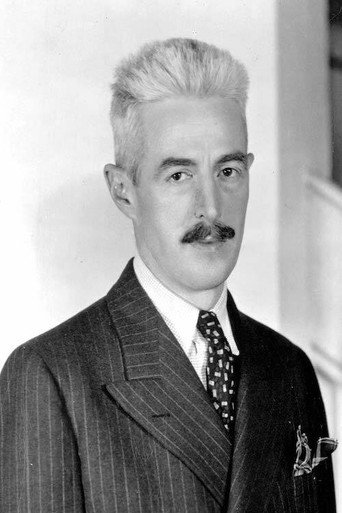
Dashiell Hammett

BornMay 27, 1894, St. Mary's County, Maryland
DiedJanuary 10, 1961, New York City, New York
Noir Films8 films
Peak Years1941–1947
Photo: TMDB
Scroll

Samuel Dashiell Hammett (1894–1961) was an American writer whose spare, muscular prose fundamentally shaped both detective fiction and film noir aesthetics. Born in Maryland and raised in Philadelphia and Baltimore, Hammett worked as a Pinkerton detective from 1915 to 1922, an experience that lent authenticity to his later fiction. He began publishing short stories in Black Mask magazine during the 1920s, gradually building a reputation for realistic, unsentimental crime narratives. His novels–Red Harvest, The Dain Curse, The Maltese Falcon, and The Glass Key–became instant classics, celebrated for their stripped-down style and morally complex characters.

Hammett's transition to Hollywood began in the early 1930s as studios recognized the cinematic potential of his work. The Maltese Falcon (1941), adapted by John Huston and starring Humphrey Bogart, became the film that crystallized noir aesthetics on screen: the world-weary detective, the dangerous woman, the MacGuffin, the fatalistic plot. Though Hammett had limited direct involvement in most adaptations, his narrative DNA permeated the films made from his stories. His influence extended beyond his own work, establishing conventions–the private eye's cynicism, the femme fatale's agency, the labyrinthine plot–that defined the genre for two decades.

Hammett invented the modern detective story. Everything that comes after flows from him. – William F. Nolan, biographer

The political turbulence of the 1950s overshadowed Hammett's later years. A committed leftist and member of the Communist Party, he was investigated by the FBI and called before the House Un-American Activities Committee. His refusal to name names resulted in imprisonment in 1951 and blacklisting that effectively ended his creative output. The literary world largely abandoned him during this period, though noir directors and critics would later recognize his foundational contributions. Despite physical illness and professional ostracism, Hammett maintained his integrity, becoming a symbol of artistic courage under ideological pressure.

Hammett's legacy in film noir transcends his limited filmography. He established the detective protagonist as a figure of integrity within a corrupt system, pioneered the use of urban landscapes as psychological mirrors, and demonstrated that genre fiction could achieve artistic substance. His influence appears in countless noir films beyond direct adaptations, shaping how screenwriters approached dialogue, characterization, and moral ambiguity. Though his creative period was relatively brief–productive from 1923 to the early 1950s–Hammett's impact on cinema proved indelible.

Noir Archetype The Literary Originator

Hammett pioneered the hard-boiled detective tradition that became noir's beating heart. His terse, cynical prose style and morally ambiguous protagonists established the template that Hollywood would transform into visual poetry. He bridged pulp fiction and cinema, proving that genre writing could achieve literary legitimacy.
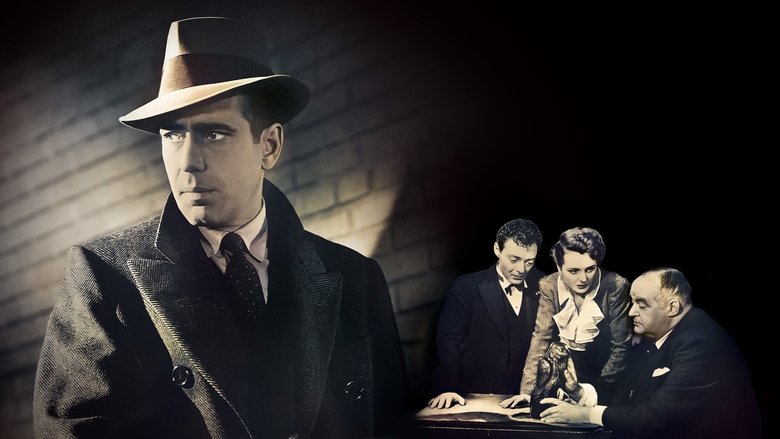
The Scene That Defines Them

The Maltese Falcon
The Maltese Falcon – 1941

The Falcon Revealed

Final act (approx. 1:30)

Sam Spade confronts the various conspirators in his office as the Maltese Falcon–the object of everyone's desire–is produced and examined. Huston's direction mirrors Hammett's prose: each character's reaction is observed with cool detachment rather than moral judgment. Spade's decision to betray the woman he loves, despite their intimacy, crystallizes Hammett's vision of survival over sentiment. The scene encapsulates noir's central paradox: the protagonist's moral compromise as the price of integrity within a corrupt world.

When a man's partner is killed, he's supposed to do something about it.

The Noir Canon

YearFilmRoleDirector
1930City StreetsRouben MamoulianNotable
1931The Glass KeyFrank TuttleRecommended
1935The Glass KeyFrank BorzageCurio
1941The Maltese FalconJohn HustonEssential

The Road In

1915
Joins Pinkerton Detective Agency

Hammett begins work as an operative in Baltimore, gaining firsthand knowledge of detective work, criminal methodology, and urban corruption that would later inform his fiction.

1922
Leaves Pinkerton; begins writing career

After contracting tuberculosis, Hammett abandons detective work and turns full attention to writing, initially supporting himself through advertising copywriting.

1923
First sale to The Smart Set

Hammett publishes his first story, beginning a prolific period of short-story sales to Black Mask magazine that establish his reputation for hard-boiled realism.

1929
The Maltese Falcon serialized

Hammett's most famous novel begins serialization in Black Mask magazine, becoming an instant literary sensation and attracting Hollywood attention.

1934
The Thin Man adaptation released

The first of six Thin Man films starring William Powell and Myrna Loy is released, becoming a major commercial and critical success despite departing significantly from Hammett's source material.

1941
The Maltese Falcon (Huston version) released

John Huston's acclaimed adaptation, starring Humphrey Bogart, becomes the definitive film noir adaptation of Hammett's work and establishes key visual and narrative conventions of the genre.

1951
Imprisoned for contempt of court

Hammett refuses to testify before a federal court regarding the identities of donors to a bail fund for communist defendants; he serves six months in jail, effectively ending his literary career.

1952
Blacklisted, health declines

After release from prison, Hammett faces severe financial hardship and health deterioration due to blacklisting and complications from tuberculosis; his creative output ceases.

1961
Death in New York

Hammett dies of lung cancer at Lenox Hill Hospital in Manhattan, having produced no significant literary work in the final decade of his life.