Films People Pull a Fast One Night Beat Reading Room On TV Shop
Actor · The Weasel with Nerve

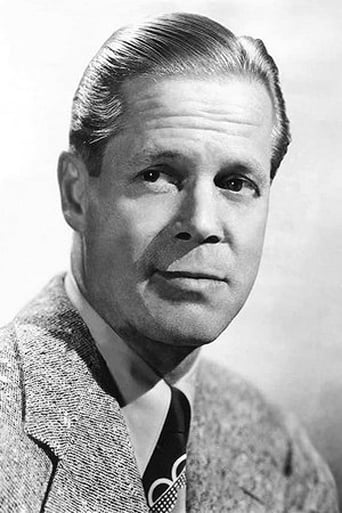
Dan Duryea

BornJanuary 5, 1907, White Plains, New York
DiedJune 7, 1968, Los Angeles, California
Noir Films18 films
Peak Years1944–1950
Photo: TMDB
Scroll

Dan Duryea was born in White Plains, New York, the son of a dressmaker mother and a carpet-layer father. He grew up in modest circumstances and gravitated toward theater early, studying at the Cornell University Drama School and later establishing himself in stock companies and Broadway productions throughout the 1930s. By the early 1940s, Duryea had developed a reputation for playing unsettling, complex characters that set him apart from conventional leading men. His lean, nervous energy and piercing eyes made him an ideal candidate for the emerging noir cinema, which was hungry for actors who could convey moral corruption with subtle intensity.

Duryea's breakthrough came in 1944 when director Fritz Lang cast him in The Woman in the Window, opposite Edward G. Robinson. The role as the seductive young criminal Healy established the archetype that would define his career: the baby-faced sociopath with impeccable manners and no conscience. He immediately followed this with Scarlet Street, reuniting with Lang in another portrait of a man whose criminal desires destroy lives. These twin triumphs positioned Duryea as Hollywood's premier purveyor of psychological menace, and producers competed to cast him as duplicitous lovers, blackmailers, and cold-blooded murderers.

Duryea had a gift for playing men who smile while they steal your wallet and your soul. – Film noir historian Eddie Muller

Throughout the late 1940s and 1950s, Duryea became the go-to actor for roles that required a mixture of charm and pathology. He worked with top-tier directors including Robert Siodmak, Otto Preminger, and Jacques Tourneur, appearing in films that explored the intersection of desire, crime, and moral decay. His performance in Black Angel (1946) showcased his ability to play characters existing in moral ambiguity, while his work in films like Criss Cross (1949) and The Killers (1946) solidified his status as one of noir's most valuable character actors. Unlike many noir stars, Duryea never sought leading-man status; he understood that his power lay in the supporting roles where he could dominate through sheer force of personality.

Duryea's greatest strength was his capacity to make villainy intelligent and seductive. He never overplayed violence or cruelty; instead, he projected a cool competence that made his characters genuinely frightening. His work influenced generations of character actors and remains a masterclass in how to inhabit morally compromised figures with authenticity. Duryea continued working in film, television, and theater until his death in 1968, but his legacy remains forever bound to the noir period when he helped define the visual and psychological language of American crime cinema.

Noir Archetype The Psychopathic Villain

Duryea embodied the cold, calculating criminal underworld figure–men driven by greed, lust, and casual cruelty. His wiry frame and sharp features made him the perfect vessel for morally bankrupt schemers and double-crossers, always operating just beyond the law's reach. He brought a distinctive menace to noir by playing villains who were neither sympathetic nor tragic, but simply dangerous.
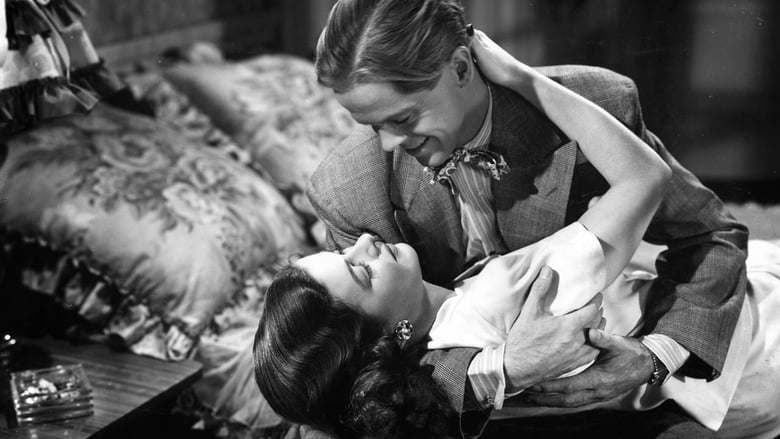
The Scene That Defines Them

Scarlet Street
Scarlet Street – 1945

The Lazy Susan Confession

Third act, final confrontation

In this shattering sequence, Duryea's Johnny Prince sits casually spinning a turntable while confessing his manipulation and cruelty to the man whose life he has destroyed. He displays no remorse, no grandstanding–merely a cool recitation of how he used Kitty to seduce Chris Cross into committing murder. The scene distills Duryea's gift: making evil banal and conversational, transforming moral bankruptcy into something almost conversational. It is cinema's perfect portrait of the psychopath.

I never promised you anything.

The Noir Canon

YearFilmRoleDirector
1944The Woman in the WindowHealyFritz LangEssential
1945Scarlet StreetJohnny PrinceFritz LangEssential
1946The KillersDum-Dum ClarkeRobert SiodmakEssential
1946Black AngelMarty BlairRoy William NeillRecommended
1949Criss CrossSlade ThompsonRobert SiodmakEssential
1950Under the GunLucky MarvinFred F. SearsNotable
1954World for RansomMike CallahanRobert AldrichCurio

The Road In

1907
Born in White Plains, New York

Edward Randall Duryea Jr. born to working-class parents in suburban Westchester County.

1925
Enters Cornell University Drama School

Pursues formal theatrical training, establishing foundation for character work and emotional specificity.

1930
Broadway debut and stock company work

Performs in repertory theater throughout the 1930s, developing craft and reputation for playing complex, unsettling characters.

1942
First film role in 'Ball of Fire'

Duryea makes minor appearance in Howard Hawks comedy, beginning transition from stage to screen.

1944
Fritz Lang discovers Duryea for 'The Woman in the Window'

Breakthrough performance as Healy establishes his noir archetype and attracts major producer attention.

1945
'Scarlet Street' released to critical acclaim

Second collaboration with Fritz Lang solidifies Duryea's status as premiere noir villain and psychological antagonist.

1946
Triple noir release: 'The Killers,' 'Black Angel,' and other crime films

Career reaches peak intensity as Duryea becomes most sought-after character actor for roles requiring menace and moral ambiguity.

1949
'Criss Cross' marks late-period peak

Robert Siodmak directs Duryea in one of the era's finest noir dramas, showcasing his mature command of villainy.

1952
Transition to television work intensifies

As noir production declines, Duryea increasingly appears in television dramas, maintaining steady career presence.

1960
End of classic noir era

Duryea continues in character roles through 1960s, but his defining legacy remains rooted in the golden age of noir cinema.