James Dalton Trumbo was born in Montrose, Colorado, in 1905 to a family of modest means. His early years instilled in him a deep skepticism toward authority and a fierce commitment to social justice–values that would animate his screenwriting career. After studying at the University of Colorado, Trumbo moved to Los Angeles in the late 1920s, initially working as a pulp magazine writer before transitioning to Hollywood. His talent for dialogue and narrative construction quickly attracted studio attention, and by the 1940s he had established himself as one of the most prolific and respected screenwriters in the industry.
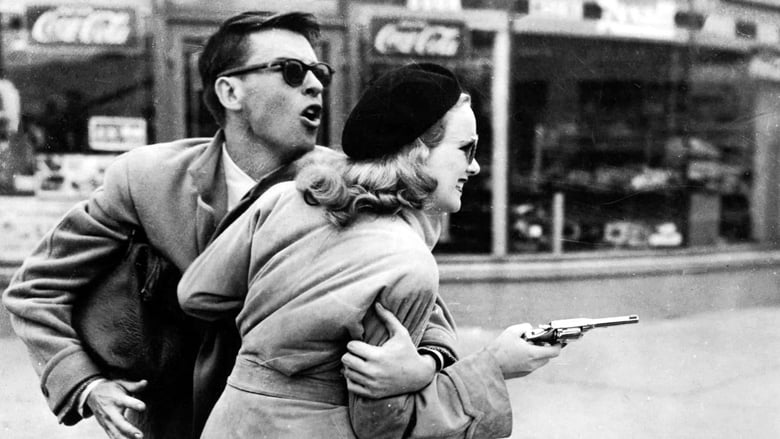
Trumbo's contributions to noir cinema were marked by a relentless examination of systemic corruption and the individual trapped within it. In *Gun Crazy* (1950), co-written with MacKinlay Kantor, he crafted a portrait of doomed lovers whose criminality becomes a mirror for American violence and desperation. His scripts possessed psychological depth and moral ambiguity uncommon in Hollywood product, elevating noir from entertainment to social commentary. Whether adapting literary sources or developing original stories, Trumbo brought intellectual rigor and emotional authenticity to every project.
The House Un-American Activities Committee's persecution of Trumbo during the early 1950s marked a catastrophic turning point in his career. Called to testify about his Communist Party membership, Trumbo refused to name names and was blacklisted, effectively exiled from Hollywood for over a decade. Despite this professional devastation, he continued writing under pseudonyms, including the Oscar-winning screenplay for *The Brave One* (1956), which he could not publicly claim until years later. His resilience and moral conviction during this period became legendary among writers and artists.
Trumbo's rehabilitation in the early 1960s restored him to open prominence, though the blacklist years had cost him dearly. His legacy in noir cinema endures as a testament to the genre's capacity for social critique and the screenwriter's role as artist-activist. He died in Los Angeles in 1976, leaving behind a body of work that demonstrated how popular cinema could challenge audiences and institutions alike.
Trumbo embodied the noir writer as political conscience, crafting scripts that investigated corruption and social injustice with unflinching moral clarity. His work transcended entertainment to become a vehicle for examining systemic criminality, both in the underworld and in institutional power. Though blacklisted for his Communist sympathies, his influence on noir's social realism remained indelible.