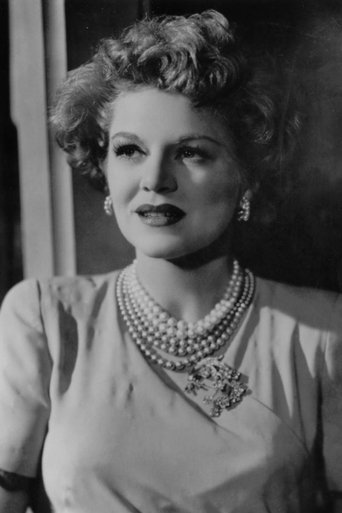
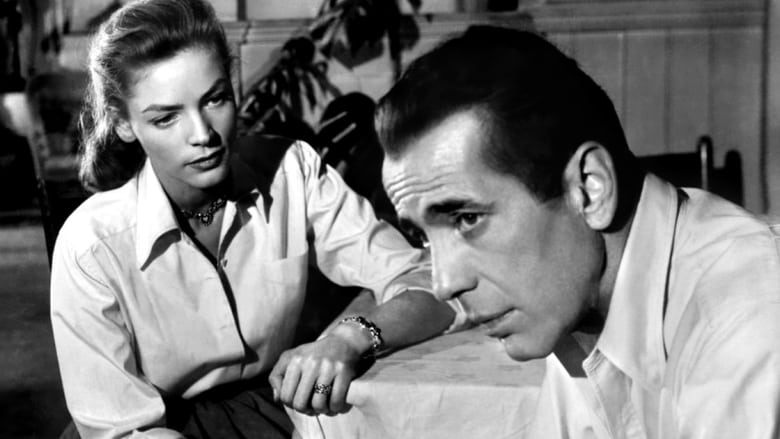
Claire Trevor was born Claire Wemlinger in Brooklyn, New York, in 1910, the daughter of a stockbroker and actress mother. She studied at the American Academy of Dramatic Arts and built a reputation on stage before transitioning to film in the early 1930s. Throughout the 1930s and early 1940s, she worked steadily in B-pictures and supporting roles, honing the craft that would make her essential to the emerging noir genre. Her combination of intelligence, toughness, and unexpected vulnerability made her ideal for the complex female characters that defined the best American crime cinema.
Trevor's noir peak arrived in the mid-1940s, when she became a fixture in the darkest corners of Hollywood's moral landscape. In Raw Deal (1948), she played an ex-convict's devoted girlfriend trapped between loyalty and survival, delivering a performance of subdued desperation. Born to Kill (1947) cast her opposite Lawrence Tierney as a woman dangerously attracted to a charming sociopath, creating a portrait of attraction as a form of doom. These roles showcased her ability to convey moral complexity without sentimentality, making her a preferred collaborator for directors like Anthony Mann and Robert Siodmak.
Key Largo (1948) became her most acclaimed noir performance, earning her the Academy Award for Best Supporting Actress. In John Huston's claustrophobic masterpiece, she played Gaye Dawn, an aging, alcoholic moll worn down by years of exploitation and violence. Trevor's portrayal–unglamorous, raw, and unexpectedly moving–represented a radical departure from conventional Hollywood femininity. The role demonstrated her willingness to age on screen, to appear damaged and diminished, in service of artistic truth. This performance secured her legacy as one of noir's most fearless and honest actresses.
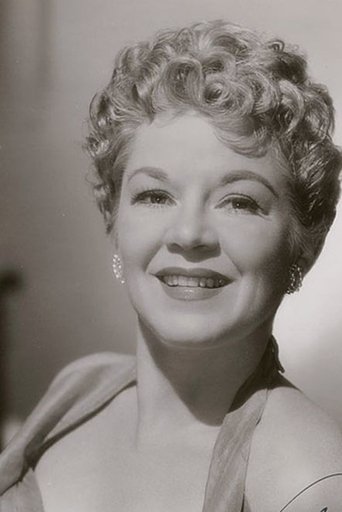
Beyond noir, Trevor maintained a long and varied career spanning radio, film, and television into the 1980s. She appeared in over 80 films across multiple genres, but it was her noir work that defined her artistic achievement. Her ability to ground melodramatic scenarios in emotional reality influenced generations of actresses. Trevor died in 2000, remembered as a consummate professional and one of the era's most underrated dramatic talents.
Claire Trevor embodied a distinctive noir archetype: the morally compromised woman who retained an underlying humanity. Unlike the purely destructive femme fatale, Trevor's characters were often victims of circumstance or loyalty, capable of both manipulation and genuine feeling. She brought a weary authenticity to roles that could have been one-dimensional, suggesting depths of regret and resilience beneath the surface.