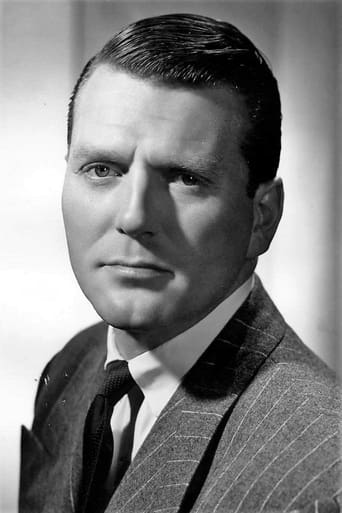
Charles Butcher McGraw was born in 1914 in Brooklyn, New York, the son of working-class Irish immigrants. Before his acting career took hold, McGraw served in the U.S. Army Signal Corps, an experience that lent him an air of authentic military bearing. He began in theater and small radio roles throughout the late 1930s, gradually building a reputation as a reliable character actor. His deep voice, muscular frame, and weathered visage proved ideally suited to the emerging noir aesthetic of the 1940s.
McGraw's film career accelerated after World War II, landing increasingly substantial roles in crime dramas and thrillers. He worked frequently for producer Stanley Kramer, earning recognition in films like Border Incident (1949) and The Killers (1946), where his naturalistic intensity cut through the stylized artifice of noir convention. Unlike many of his contemporaries, McGraw rarely played the doomed protagonist; instead, he excelled as the antagonist or morally conflicted authority figure–the cop who might be as corrupt as the criminals he pursued. His economy of performance and refusal to overact set him apart in an era of theatrical excess.
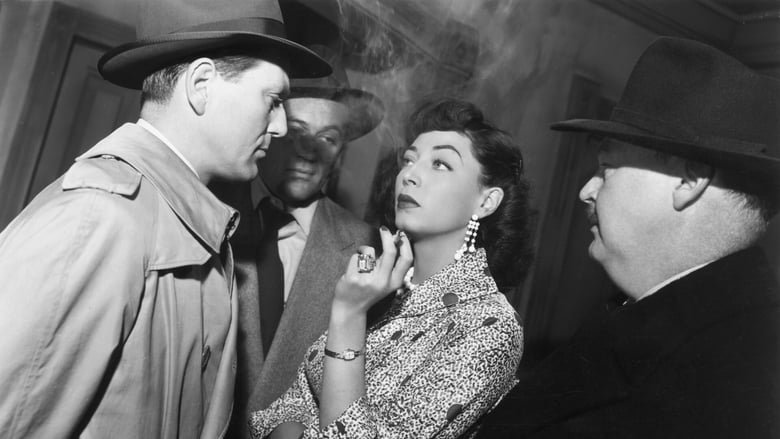
The Narrow Margin (1952) stands as McGraw's signature achievement, a low-budget RKO thriller that became a classic through its taut direction and McGraw's commanding presence as a cynical railroad detective. Shot almost entirely on moving trains, the film showcased his ability to convey menace and quick intelligence within confined spaces. McGraw's performance–laconic, watchful, capable of explosive action–defined the modern noir cop archetype. He would continue working steadily in television and film throughout the 1950s and into the 1970s, never achieving top-tier stardom but earning the respect of directors and audiences alike.

McGraw's career trajectory reflected broader patterns in American cinema: the transition from studio contract players to freelance character actors, and the rise of television as a rival medium. He appeared in countless television westerns and crime dramas, proving his versatility beyond noir. His later work lacked the stylistic sophistication of his 1940s–50s output, but he remained a recognizable and dependable presence in Hollywood until his death in 1980. McGraw never sought the spotlight, yet his influence on noir's visual and performative language remained enduring.
McGraw embodied the hard-boiled police detective or railroad officer–physically imposing, morally ambiguous, and capable of sudden violence. His craggy features and measured intensity made him the ideal noir authority figure: pragmatic rather than heroic, corruption always lurking beneath the badge.