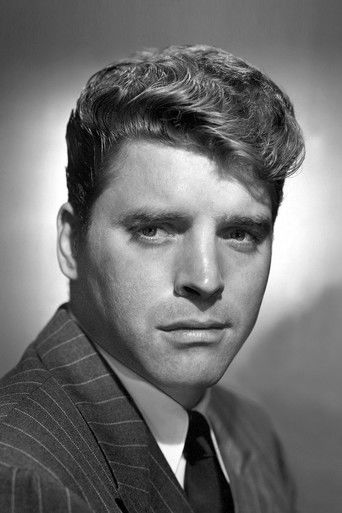
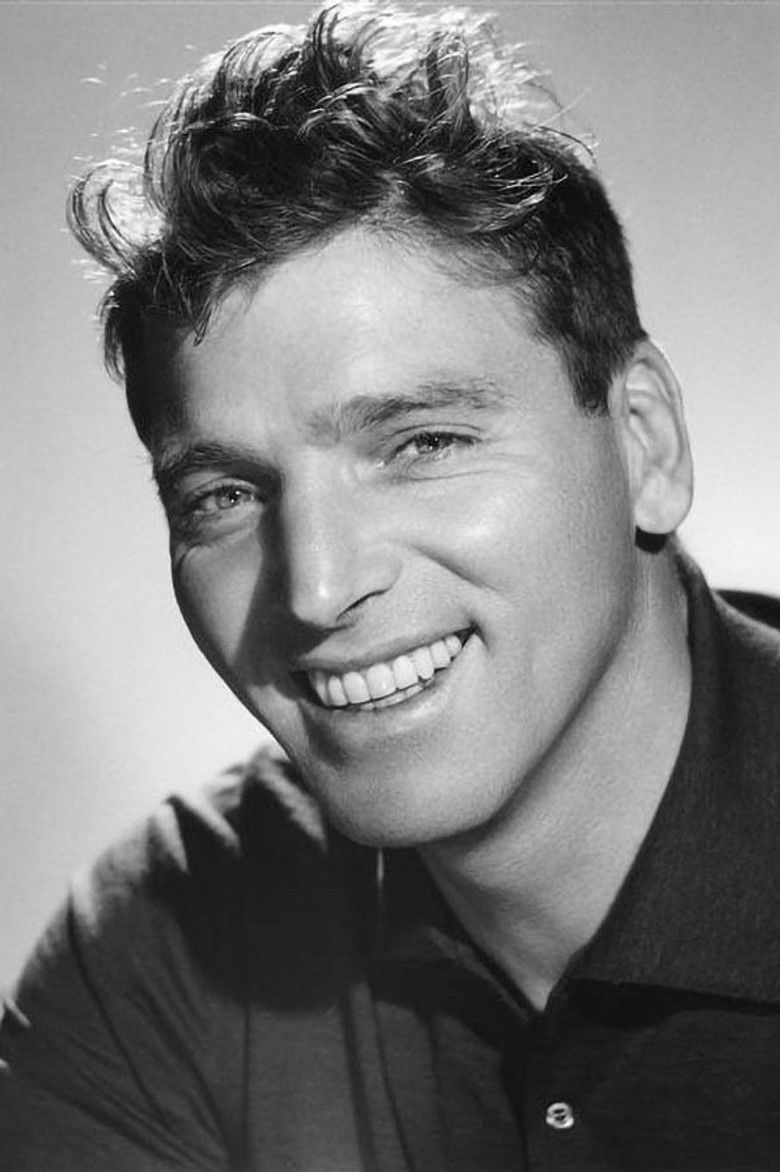
Burton Stephen Lancaster was born in New York City on November 2, 1913, the son of a postal clerk and a housewife. Before cinema claimed him, Lancaster worked as a circus acrobat and boxer, training at a gymnasium where his explosive physicality and natural charisma caught the attention of a theatrical agent. This athletic background became his signature, lending authenticity to roles demanding both grace and menace. He made his Broadway debut in 1939 and appeared in minor film roles throughout the early 1940s before Robert Siodmak's The Killers catapulted him to stardom in 1946, establishing him as one of Hollywood's most vital new talents.
Lancaster's noir period coincided with the genre's golden age, and he became one of the few actors capable of suggesting both victim and villain simultaneously. In The Killers, he played the doomed Swede with a fatalistic vulnerability; in Criss Cross, he inhabited a man undone by passion and pride. His physicality set him apart–he moved through scenes with the precision of a dancer, making even moments of moral compromise seem choreographed and inevitable. Collaborations with director Robert Siodmak deepened his understanding of noir's psychological undercurrents, and his performances grew more nuanced as the decade progressed.
I Walk Alone paired him with Kirk Douglas in a brutal portrait of postwar resentment and betrayal, showcasing Lancaster's ability to convey wounded dignity beneath masculine toughness. His roles rarely permitted sentimentality; instead, he projected a coiled intensity that suggested danger lurking beneath surface charm. By the early 1950s, Lancaster had demonstrated sufficient range and star power to command lead roles in major productions, though his most enduring work remained grounded in noir's moral ambiguity. His transition from character actor to leading man was completed decisively, and he became one of the era's most bankable and respected performers.
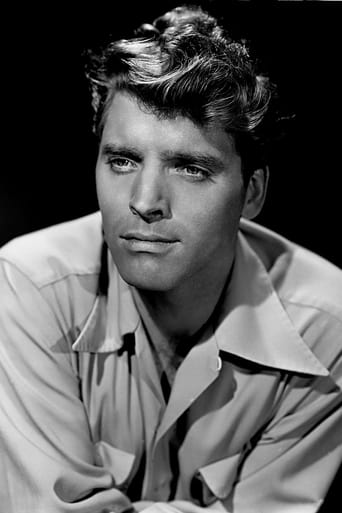
Lancaster's legacy in noir remains singular: an actor whose athletic grace and dangerous intensity made him ideal for depicting modern men caught between desire and doom. Though he would go on to remarkable success in diverse genres–from Biblical epics to psychological dramas–his noir work remains his most psychologically penetrating. He brought to the screen a restless energy that perfectly captured the postwar American anxiety at the genre's core.
Lancaster embodied men of physical grace who descend into moral corruption, their athletic bodies becoming instruments of desperation. He brought a volatile intensity to characters drawn into criminal schemes, portraying the seductive ease with which ordinary men surrender to greed and circumstance.