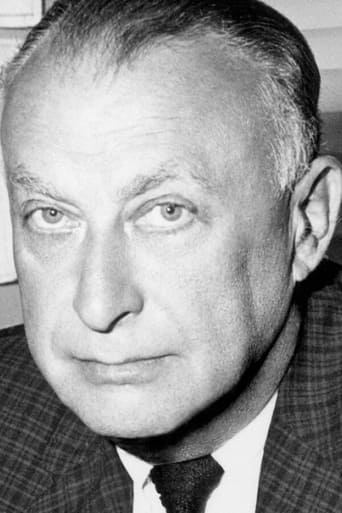
Boris Ingster was born in St. Petersburg, Russia, in 1903, arriving in America during the upheaval of the early twentieth century. He trained in Soviet theater and film before immigrating to the United States, where his European sophistication and modernist sensibilities would profoundly shape American noir aesthetics. By the late 1930s, Ingster had established himself as a screenwriter and dialogue specialist in Hollywood, working on major productions while developing a distinctive visual philosophy rooted in psychological realism and expressionist design.
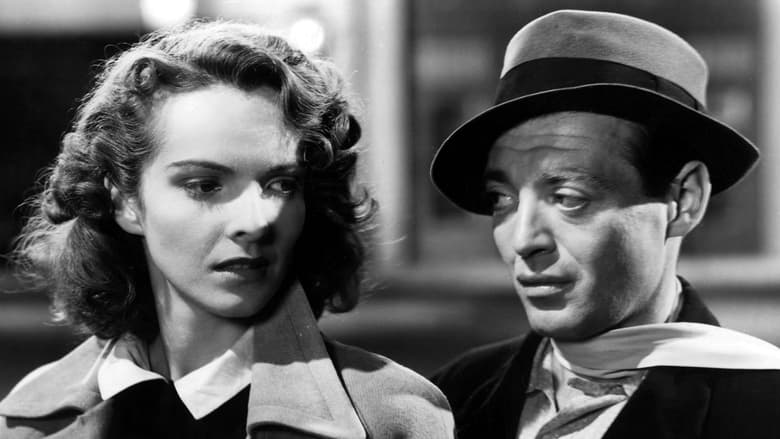
Ingster's directorial debut, Stranger on the Third Floor (1940), stands as one of the earliest and most influential films of the noir cycle. Featuring groundbreaking deep-focus cinematography by Nicholas Musuraca and a dreamlike narrative structure, the film introduced American audiences to the visual vocabulary of existential dread and urban alienation that would define the genre for two decades. The film's innovative use of shadow, distorted set design, and subjective point-of-view sequences demonstrated Ingster's mastery of cinematic technique and his commitment to visual storytelling over conventional narrative.
Throughout the 1940s, Ingster navigated the tension between studio demands and artistic vision with measured success. While some of his projects reflected commercial studio constraints, his best work–particularly The Judge Steps Out (1947)–revealed his ability to infuse genre material with psychological complexity and moral ambiguity. His collaborations with cinematographers of distinction and his insistence on actor-centered drama over plot machinery made him a valued if sometimes underutilized talent during Hollywood's golden age.
Though his directorial output remained modest compared to his contemporaries, Ingster's influence on noir aesthetics proved durable and far-reaching. His emphasis on subjective experience, fragmented narrative structure, and the visualization of psychological states influenced generations of filmmakers. He continued working in television and film through the 1950s and beyond, though his peak creative period remains inextricably linked to the early noir cycle he helped define and shape.
Ingster brought European avant-garde sensibilities to American noir, experimenting with expressionist lighting, fragmented narratives, and psychological depth. He was less concerned with plot mechanics than with atmosphere and the fractured inner lives of his characters, making him a crucial bridge between German Weimar cinema and Hollywood's dark era.