Films People Pull a Fast One Night Beat Reading Room On TV Shop
Director · The Cynic's Storyteller

Billy Wilder

BornJune 22, 1906, Kraków, Austria-Hungary
DiedMarch 27, 2002, Los Angeles, California
Noir Films6 films
Peak Years1944–1951
Photo: TMDB
Scroll

Samuel Wilder was born in Kraków to a Jewish family and grew up in Vienna, where he developed an eye for human contradiction and continental sophistication. He began as a screenwriter in Berlin before Hitler's rise forced him to migrate west; by the late 1930s, he had landed in Hollywood, initially as a contract writer for Paramount. His early scripts showed uncommon psychological acuity, but it was not until his directorial debut that Wilder's singular vision–cynical, technically masterful, deeply humane–would crystallize into one of American cinema's most formidable careers.

With Double Indemnity (1944), co-written with Raymond Chandler, Wilder didn't merely adapt the noir formula; he perfected it, creating a template that would define the genre for decades. The film's femme fatale, seduction, insurance murder, and doomed protagonist became the archetype, yet Wilder's treatment transcended mechanics through mordant wit and visual sophistication. He worked with cinematographer John F. Seitz to craft a visual language of shadows and architectural menace that made Los Angeles itself complicit in the narrative's moral collapse.

The most important thing is the story. Everything else is just decoration. – Billy Wilder

Sunset Boulevard (1950) marked the apex of Wilder's noir ambitions, a film of such audacious scope and cultural insight that it remains perhaps the finest critique of Hollywood ever made by a working director. The film's nested narrative, its grotesque grandeur, and its portrait of an aging actress consumed by delusion and desperation revealed noir as the ideal vehicle for examining American myths of success and permanence. Gloria Swanson's performance, guided by Wilder's precise direction, became the embodiment of show-business tragedy.
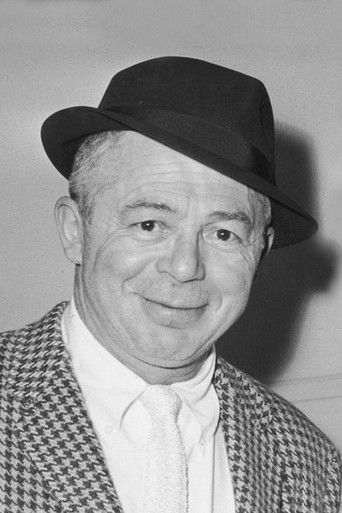
Billy Wilder

Ace in the Hole (1951) represented Wilder's most uncompromising vision: a relentless study of exploitation and public indifference, structured around a mining disaster that becomes tabloid spectacle. Where lesser directors might have softened the protagonist's monstrousness, Wilder held the camera steady, refusing sentiment or redemption. These three masterpieces–spanning ambition, delusion, and depravity–constitute his noir legacy and his claim as one of cinema's supreme moral diagnosticians.

Noir Archetype The Moralist Satirist

Wilder belongs to that rare breed of noir directors who weaponized cynicism as moral instruction. His films don't merely depict corruption and moral decay–they indict the viewer's complicity in it, using dark comedy and structural innovation to transform genre conventions into vehicles for social critique. He is the intellectual's noir auteur, equally comfortable with murder plots and philosophical despair.
The Scene That Defines Them

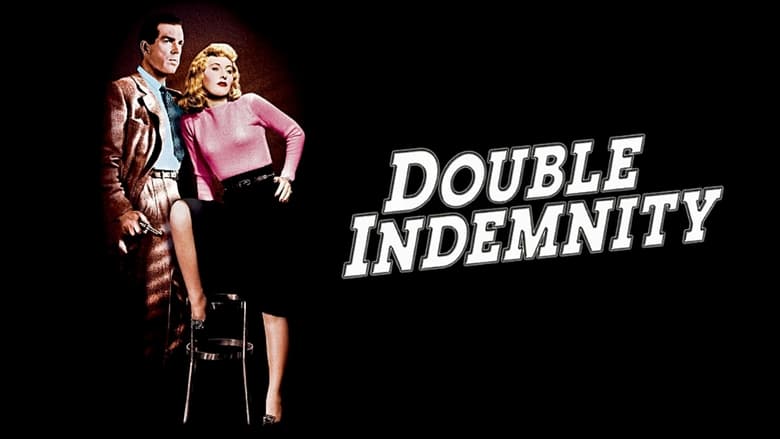
Double Indemnity
Double Indemnity – 1944

The Anklet and the Murder Plan

First half; the pivotal seduction in Phyllis's house

When Phyllis Dietrichson first ascends the stairs in her famous anklet, and Walter Neff watches with barely concealed desire before they discuss her husband's murder, Wilder captures the exact moment of moral surrender through nothing but exchanged glances and deliberate staging. The scene is largely wordless, relying on costume, composition, and the actors' bodies in space to convey seduction and complicity. It defines Wilder's method: the visual articulation of psychological corruption, where mise-en-scène becomes moral language. This is noir's foundational temptation, rendered with Wilder's characteristic precision and dark intelligence.

That's funny, that's very funny.

The Noir Canon

YearFilmRoleDirector
1944Double IndemnityBilly WilderEssential
1945The Lost WeekendBilly WilderEssential

The Road In

1906
Birth in Kraków

Samuel Wilder born to Jewish family in Kraków, Poland. Family moves to Vienna during his childhood, where he develops his cosmopolitan sensibility and ear for European café culture.

1926
Journalism and Early Screenwriting

Works as a journalist and begins writing screenplays in Berlin. His sharp social observation and comic timing attract studio attention during the Weimar period.

1933
Emigration from Nazi Germany

Flees Berlin as the Nazi regime consolidates power. Like many Jewish artists, Wilder migrates to Paris, then to Hollywood, carrying European sophistication and dark humor into American cinema.

1942
Directorial Debut

Directs The Major and the Minor, a modest comedy that demonstrates his control of tone and his ability to extract nuance from actors. The success establishes him as a bankable director.

1944
Double Indemnity Released

Double Indemnity premieres to critical and commercial success, immediately recognized as a masterpiece of the noir form. The film's influence on the genre becomes incalculable, setting the template for decades of imitators.

1950
Sunset Boulevard Premiere

Sunset Boulevard opens to mixed initial reception but rapidly gains recognition as a profound critique of Hollywood. The film's audacious narrative structure and thematic depth secure Wilder's reputation as an artist of the first rank.

1951
Ace in the Hole Released

Ace in the Hole is released to lukewarm box office and critical rejection, its unrelenting cynicism and refusal to sentimentalize too dark for 1951 audiences. Wilder's integrity–his unwillingness to compromise vision–becomes evident.

1960
The Apartment Wins Best Picture

The Apartment wins the Academy Award for Best Picture; Wilder wins Best Director. The film's romantic noir-comedy synthesis demonstrates his continued evolution and mastery of genre.

1988
Irving G. Thalberg Memorial Award

Receives the Irving G. Thalberg Memorial Award in recognition of a lifetime of cinematic achievement. By this point, his noir films are recognized as classics, their moral and aesthetic sophistication undiminished.

2002
Death in Los Angeles

Billy Wilder dies in Los Angeles at age 95. His legacy as one of cinema's great directors, and noir's supreme architect, is secure. His films remain studied, taught, and celebrated.