Films People Pull a Fast One Night Beat Reading Room On TV Shop
Writer · The Wordsmith of Shadows

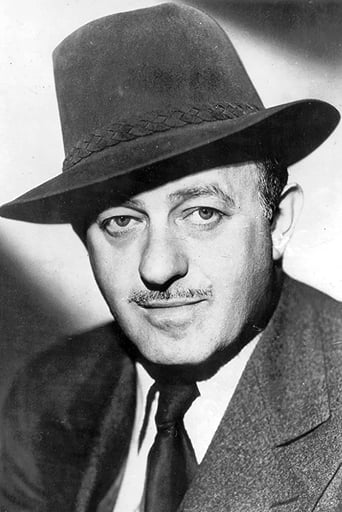
Ben Hecht

BornFebruary 28, 1894, New York City, New York
DiedApril 18, 1964, New York City, New York
Noir Films12 films
Peak Years1944–1950
Photo: TMDB
Scroll

Benjamin Parker Hecht (1894–1964) was a Chicago newspaper reporter turned screenwriter whose acidic wit and storytelling prowess became foundational to film noir's sensibility. Before entering Hollywood in the late 1920s, he had already earned a reputation as a hard-boiled journalist, novelist, and playwright–credentials that made him the ideal architect for the morally compromised worlds noir demanded. His partnership with director Alfred Hitchcock proved especially fruitful, yielding several masterworks that merged Hecht's cynical worldview with Hitchcock's visual obsessions.

During noir's golden age (1944–1950), Hecht wrote or co-wrote scripts for some of the era's most psychologically complex thrillers. Notorious stands as his masterpiece: a tale of espionage and sexual entrapment wrapped in baroque visual language and dialogue that crackles with double meanings. Spellbound, another Hitchcock collaboration, pioneered the fusion of psychoanalysis and noir paranoia, while Kiss of Death introduced a new brutality to the American crime film, featuring Richard Widmark's unforgettable psychopath.

Ben Hecht was the greatest dialogue writer in the history of American film. He had the ability to make even exposition sound like poetry. – Richard Schickel, film critic

Hecht's genius lay in crafting protagonists ensnared by circumstance and desire–men and women who crossed moral boundaries not from villainy but from weakness, desperation, or love. His scripts privilege psychological complexity over plot mechanics, allowing tension to build through dialogue and motive rather than action alone. He understood that noir's greatest weapon was the revelation of human frailty, the exposure of civilized surfaces concealing base appetites.

Beyond noir, Hecht was a prolific playwright, novelist, and filmmaker (he directed 23 films across his career). His restless intelligence resisted genre confinement; he moved fluidly between comedy, melodrama, and crime. Yet his noir work remains his most enduring legacy–the blueprint for how intelligent writers could elevate pulp material into art without compromising its raw emotional power or cynical vision.

Noir Archetype The Brilliant Scenarist

Hecht embodied the noir writer who shaped the genre's dialogue and moral ambiguity from behind the scenes. His scripts transformed pulp material into psychological studies of corruption and desire, establishing the caustic, witty voice that defined noir's intellectual edge. Few writers wielded such influence over the visual language of crime and obsession.
The Scene That Defines Them

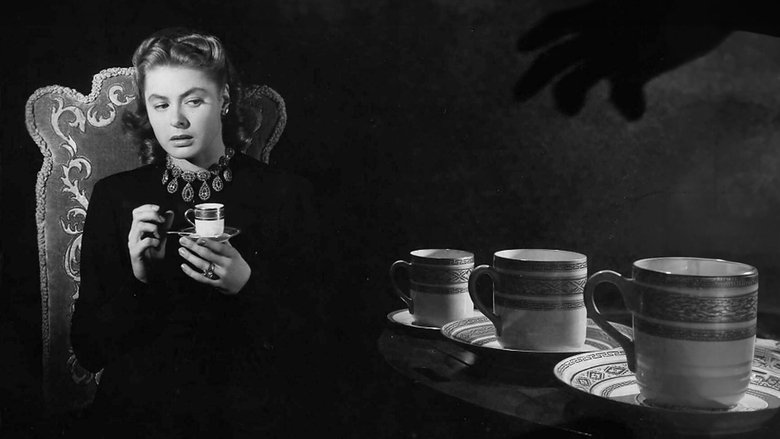
Notorious
Notorious – 1946

The Champagne Glass Revelation

Final act

In one of cinema's most devastating moments, Cary Grant realizes that Ingrid Bergman has been poisoned by her own mother–a slow murder rationalized as devotion. The scene crystallizes Hecht's noir vision: betrayal emerges not from villainy but from the collision of love, duty, and moral compromise. Grant's anguished face as he carries the dying woman downstairs, his earlier cruelty suddenly rendered meaningless, exposes the terrible cost of emotional entanglement. This moment–dialogue-light, gestural, psychologically precise–demonstrates how Hecht could embed philosophical weight into intimate human catastrophe.

The Noir Canon

YearFilmRoleDirector
1944Phantom LadyRobert SiodmakRecommended
1946The Big Sleep– (uncredited revision)Howard HawksEssential
1946NotoriousAlfred HitchcockEssential
1947The UnsuspectedMichael CurtizRecommended
1947Kiss of DeathHenry HathawayEssential
1948The Naked CityJules DassinRecommended
1949Chicago Deadline– (director/writer)Ben HechtNotable
1950Where the Sidewalk EndsOtto PremingerRecommended

The Road In

1912
Joins Chicago Journal as reporter

Begins career as crime reporter, immersing himself in the street-level corruption and human drama that would fuel his later noir scripts.

1921
Publishes Erik Dorn

His debut novel, a modernist narrative about a newspaper reporter adrift in post-war Berlin, establishes his literary credentials and insider's knowledge of moral compromise.

1927
Wins Academy Award for Underworld

Receives first Oscar for original story, establishing himself as Hollywood's premier dialogue writer and crime-fiction specialist.

1935
Founds Hecht-MacArthur Productions

Co-founds independent production company with Charles MacArthur, attempting to maintain creative control over film projects in an increasingly studio-dominated industry.

1944
Enters noir golden age

Begins his most prolific period writing psychological thrillers for Hitchcock and other A-list directors, helping to define noir's philosophical sophistication.

1946
Notorious released

His masterpiece screenplay, Notorious, premieres to critical acclaim; the film becomes a template for merging espionage, psychological complexity, and visual poetry.

1949
Directs Chicago Deadline

Takes directorial helm for a noir about a journalist investigating a murder, bringing his reportorial sensibility fully to the visual medium.

1951
Testifies before HUAC

Called before the House Un-American Activities Committee; defends his political independence but faces industry backlash that diminishes his Hollywood activity.

1957
Publishes A Child of the Century

Releases his autobiography, a sprawling, witty memoir of Chicago journalism, Broadway, and Hollywood that cements his place in American cultural history.

1964
Dies in New York

Ben Hecht passes away at 70, leaving behind a legacy of over 75 produced films and an indelible imprint on noir's psychological and stylistic grammar.