Films People Pull a Fast One Night Beat Reading Room On TV Shop
Actor · The Femme Fatale Supreme

Barbara Stanwyck

BornJuly 16, 1907, Brooklyn, New York
DiedJanuary 20, 1990, Santa Monica, California
Noir Films12 films
Peak Years1944–1950
Photo: TMDB
Scroll

Barbara Stanwyck was born Ruby Catherine Stevens in Brooklyn on July 16, 1907, the daughter of a steamship superintendent and a showgirl. Orphaned by adolescence, she worked as a dancer and stage actress throughout the 1920s before Hollywood discovered her distinctive contralto voice and angular beauty. By the early 1930s, she had established herself as a versatile dramatic actress, but it was her collaboration with director Billy Wilder in the 1940s that cemented her legend as cinema's most formidable femme fatale.

Her performance in Double Indemnity (1944) remains the archetype of noir seduction–Phyllis Dietrichson emerging from shadows in that white angora coat, weaponizing domesticity and desire to ensnare insurance salesman Fred MacMurray into murder. Stanwyck brought intellectual menace to the role, playing a woman whose schemes operate with methodical intelligence rather than emotional volatility. She would reprise this territory throughout the decade, in Sorry, Wrong Number (1948) and The File on Thelma Jordon (1950), each time finding new dimensions in the archetype of the morally compromised woman who controls her own narrative.

She had the toughness of a man and the glamour of a woman, and she could handle drama and comedy with equal skill. – Edward Dmytryk, director

What distinguished Stanwyck from her noir contemporaries was her refusal of victimhood. Whether playing murderers, blackmailers, or manipulators, she granted her characters agency and rationality. Directors recognized that her cool reserve and sharp features–those penetrating eyes and thin-lipped smile–conveyed calculation rather than mere glamour. She could pivot effortlessly from femme fatale to wronged woman to working-class heroine, suggesting vast interior depths beneath controlled surfaces.
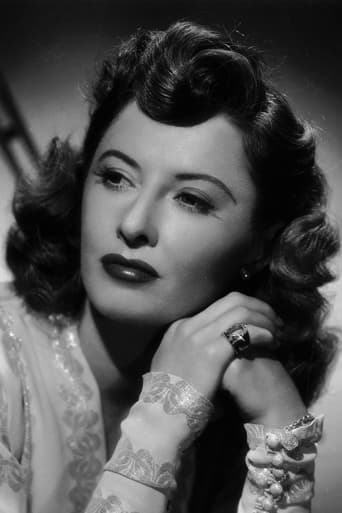
Barbara Stanwyck

Stanwyck's noir period (1944–1950) encompassed only a fraction of her prolific career, yet those roles defined both her legacy and the genre itself. She worked across all studio systems, maintained complete professionalism, and famously insisted on rehearsal and precision. Her influence on the representation of female ambition and moral complexity in American cinema proved immeasurable, establishing a template for the intelligent, dangerous woman that resonates decades beyond the noir cycle's end.

Noir Archetype The Calculating Femme Fatale

Stanwyck embodied the noir femme fatale at her most intelligent and dangerous–a woman who manipulates masculine weakness with surgical precision rather than mere seduction. Her characters possessed steely resolve beneath glamorous surfaces, capable of murder and deception while remaining sympathetic enough to command viewer identification with their schemes.

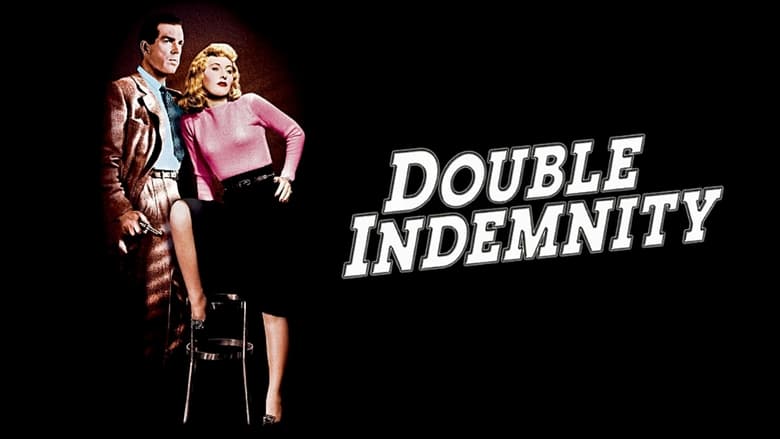
The Scene That Defines Them

Double Indemnity
Double Indemnity – 1944

The Anklet Scene

Early sequence, approximately 20 minutes in

Phyllis Dietrichson descends her staircase in a white angora gown, adjusting her anklet as insurance salesman Walter Neff watches transfixed from below. Stanwyck's performance is a masterclass in seductive control–every gesture calibrated, every glance a calculation. The scene establishes her total dominion over the male protagonist and introduces the viewer to a woman weaponizing femininity with cold intelligence. It became the definitive image of the noir femme fatale.

That's funny, that's very funny.

The Noir Canon

YearFilmRoleDirector
1944Double IndemnityPhyllis DietrichsonBilly WilderEssential
1945The Strange Love of Martha IversMartha IversLewis MilestoneEssential
1950The File on Thelma JordonThelma JordonRobert SiodmakEssential
1950No Man of Her OwnHelen FergusonMitchell LeisenRecommended
1951The Clash by NightMae DoyleFritz LangRecommended
1952JeopardyHelen StillwellJohn SturgesNotable
1956Crime of PassionKathy FergusonGerd OswaldNotable

The Road In

1907
Born Ruby Catherine Stevens in Brooklyn

Orphaned by age thirteen after her mother died in a streetcar accident and her father was struck by a truck.

1923
Professional stage debut as dancer

Performed in Broadway revues and became a fixture in New York theatrical circles under the adopted name Barbara Stanwyck.

1927
Film debut in Broadway Nights

Transitioned to Hollywood after successful stage career, initially appearing in small roles and Paramount contract films.

1937
Oscar nomination for Stella Dallas

Established herself as a dramatic actress capable of both prestige and commercial success across multiple genres.

1944
Double Indemnity released

Billy Wilder's masterpiece catapulted Stanwyck to noir immortality and generated Oscar nomination; became template for femme fatale archetype.

1945
The Strange Love of Martha Ivers premiere

Consolidated her noir credentials with another portrait of a morally complex woman willing to manipulate and destroy.

1948
Sorry, Wrong Number released

Stanwyck shifted to wronged woman protagonist, delivering tour-de-force performance of mounting hysteria and moral revelation.

1950
The File on Thelma Jordon distributed

Her final great noir performance as woman caught between two men, exploring maternal sacrifice and redemptive possibility.

1951
Transition to television

Began appearing in television productions while maintaining film roles; became major television star throughout 1950s–1960s.

1983
American Film Institute Life Achievement Award

Recognized as one of cinema's greatest actresses; celebrated her contribution to noir and American film legacy.