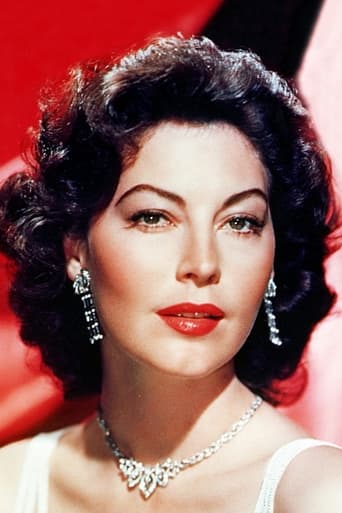
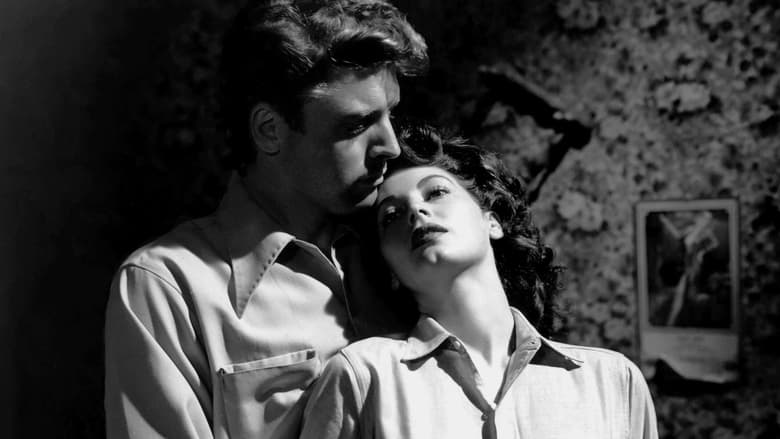
Ava Lavinia Gardner emerged from rural North Carolina to become one of Hollywood's most luminous and troubled stars. Discovered by MGM while a teenager, she languished in bit parts before finding her voice in the 1940s. Her extraordinary beauty–a fusion of smoldering sensuality and classical elegance–made her a natural for noir's shadowy moral universe, where her characters often possessed as much cunning as allure. Gardner's career trajectory reflected the studio system's contradictions: she was simultaneously celebrated and controlled, celebrated for her exotic magnetism while constrained by the era's rigid star machinery.
In The Killers (1946), Gardner's role as Kitty Collins became the template for her noir legacy, a woman whose destructive charisma ruins men and herself alike. Her performance revealed an actress of unexpected range, capable of conveying intelligence, ambition, and self-awareness beneath the surface glamour. In The Bribe (1949), she navigated a more complex moral landscape, playing a woman entangled in Caribbean corruption and espionage. These roles allowed Gardner to move beyond pure decoration, demonstrating that her appeal lay not merely in her face but in her capacity to suggest inner conflict and psychological depth.
Pandora and the Flying Dutchman (1951) represented perhaps her most unconventional noir venture, a surreal, dreamlike romance where Gardner inhabited a woman caught between earthly desire and supernatural destiny. Directed by Albert Lewin, the film showcased her in Technicolor, her beauty transcendent yet tinged with melancholy and doom. Throughout the late 1940s and early 1950s, Gardner's noir work established her as more than a contract player–she became an icon of the era's complex femininity, a star who understood that true seduction involved intelligence and tragedy as much as physical beauty.
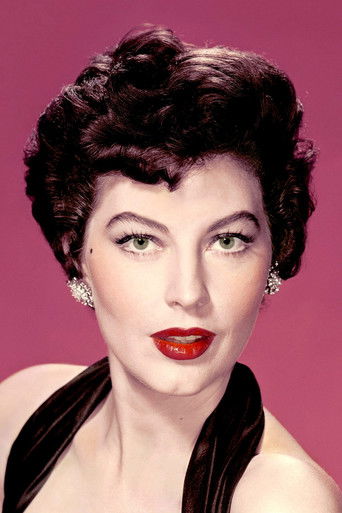
Despite her professional ascendancy, Gardner's personal life remained turbulent, marked by tumultuous relationships and struggles against studio control. Her marriages–including to fellow stars Mickey Rooney, Artie Shaw, and Frank Sinatra–became the subject of relentless press scrutiny. By the 1950s, as the noir cycle began to wane, Gardner sought to escape typecasting and reinvent herself in more varied roles, though her noir performances remained definitive statements on desire, corruption, and the price of beauty in a morally fractured world.
Gardner embodied a rare breed of noir temptress–sultry and dangerous, yet capable of genuine vulnerability and moral complexity. She transcended the stock seductress role by infusing her characters with intelligence and emotional depth, making her conspirators and victims equally compelling.