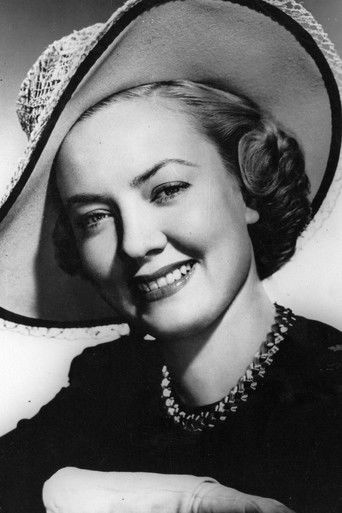
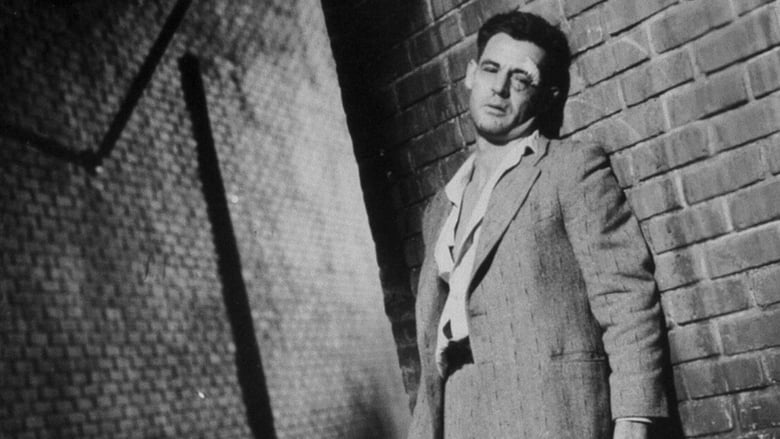
Audrey Totter was born in Plain City, Ohio, the daughter of a Methodist minister, a background that would paradoxically prepare her for depicting morally compromised women in America's darkest cinema. She began her career in theater and radio before the studio system claimed her in the mid-1940s. Her arrival at MGM coincided with noir's ascendance, and she brought a cool, intelligent presence to roles that demanded both glamour and grit. Totter's distinctive husky voice and penetrating eyes made her memorable even in supporting parts, and her ability to convey both vulnerability and steely determination set her apart from starlets content with decoration.
Her breakthrough came with Robert Montgomery's *Lady in the Lake* (1947), an audacious first-person perspective mystery that required her to react to an invisible protagonist–a test of pure acting skill. The film's innovation matched her talent, and she emerged as one of noir's most credible leading ladies. Throughout the late 1940s and early 1950s, Totter appeared in a succession of crime dramas and psychological thrillers, often playing nurses, society women, and femmes who possessed moral agency despite their entanglement with corruption. Her roles suggested characters who had seen too much and forgiven too little, women who made calculated choices in morally bankrupt circumstances.
Totter reached her artistic peak in *The Set-Up* (1949), Robert Wise's masterwork of boxing noir, where her performance as the devoted wife anchored the film's tragedy. In *Tension* (1949), she played a woman whose infidelity and manipulation drove the plot, yet Totter invested the character with such psychological credibility that viewers understood her motivations even as they condemned her actions. She worked with the era's finest directors–Wise, John Farrow, Anthony Mann–and her collaborations yielded consistently intelligent cinema that valued character over sensation. By the early 1950s, as the studio system weakened and noir's commercial viability declined, Totter found fewer starring roles, though she continued working steadily in television and film.
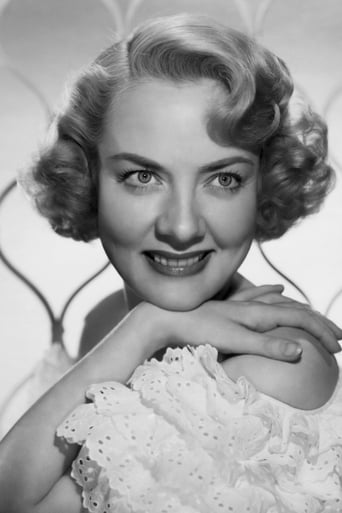
Totter's legacy rests not on marquee fame but on the quality and intelligence she brought to every assignment. She was rarely the titular star but invariably the film's moral and intellectual center, the character audiences believed because Totter believed in her. Her career trajectory–from promising lead to reliable character actress–reflected not a decline in talent but shifting industry economics. In retrospect, her best work represents noir's highest achievement: psychologically nuanced drama that explored human weakness without sentimentality, set against the shadows and moral darkness of postwar America.
Totter embodied the intelligent, worldly woman of noir–neither innocent victim nor scheming destroyer, but a pragmatic survivor who understood the masculine underworld and navigated it with cool competence. She brought psychological depth and moral ambiguity to roles that might have been one-dimensional, suggesting inner lives of complexity and hard-won wisdom.