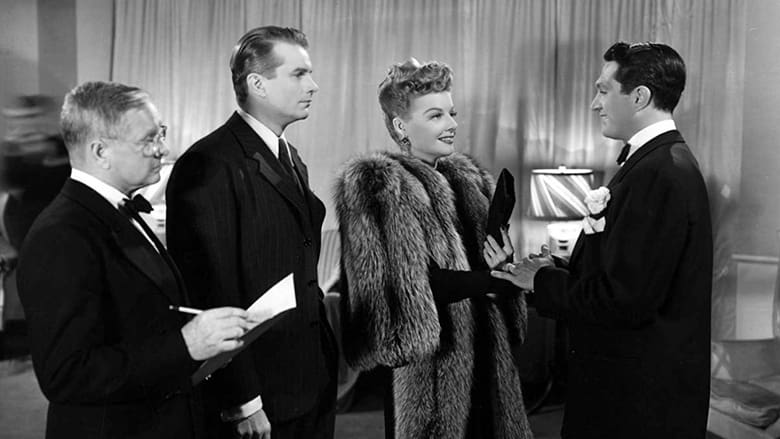
Clara Lou Sheridan was born in Denton, Texas, in 1915, the daughter of a former rancher turned oil executive. She began her entertainment career as a radio performer and dancer before signing with Paramount in 1933. Throughout the late 1930s, she accumulated small roles in comedies and musicals, often uncredited, building craft and visibility under the studio system. Her breakthrough came when Warner Bros. recognized her star potential, and by the early 1940s, 'The Oomph Girl'–as the studio christened her–had become a fixture in their crime dramas and noir productions, commanding leading roles opposite established male stars.
Sheridan's greatest noir work arrived during the mid-1940s, a period of artistic maturity and studio confidence. In *They Drive by Night* (1940), she held her own against George Raft and Humphrey Bogart, playing Iris, a woman whose moral boundaries complicate the narrative of male ambition. Her subsequent roles in *The Big Shot* (1942), *City for Conquest* (1940), and *Nora Prentiss* (1947) demonstrated her range: she excelled equally in desperate circumstances and moments of quiet defiance. Her characters rarely melodramatized; instead, they faced noir's darkness with eyes wide open, delivering exposition and emotional depth without vanity.
What distinguished Sheridan from her contemporaries was an absence of artifice. She possessed a direct, almost conversational screen manner that made her believable in ordinary circumstances elevated to danger. Critics and colleagues remarked on her professionalism and lack of temperament–virtues that translated into versatility across genres. Whether playing a weary nightclub singer or a woman caught between loyalty and survival, she brought authenticity that elevated material and grounded fantastical plots in recognizable human conflict. This quality made her invaluable to directors like Raoul Walsh and Irving Rapper.

By the 1950s, Sheridan's noir period had largely concluded, though she continued acting in television and occasional films. She retired from acting in 1957 after completing her contracts, choosing a private life away from Hollywood's spotlight. Her final performances demonstrated no decline in skill, only a graceful withdrawal. She died in 1967, largely forgotten by a new generation, though her noir work endures as evidence of a actress of uncommon intelligence and professionalism in cinema's most demanding genre.
Ann Sheridan embodied the competent, self-assured woman who could match her male counterparts in wit and resilience. Rather than the fatale or victim, she played women grounded in practical intelligence–secretaries, nightclub singers, and working-class heroines who possessed moral clarity even in morally ambiguous worlds. Her presence suggested survival through shrewdness rather than seduction.