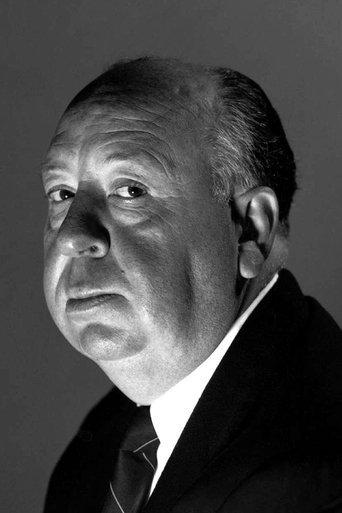
Alfred Hitchcock emerged as cinema's supreme architect of suspense during Hollywood's noir period, though his sensibilities transcended the genre's typical urban fatalism. Born in Victorian London, he brought a distinctly European sensibility to American filmmaking, transforming pulp narratives into sophisticated psychological thrillers. His approach to noir emphasized the mental landscape over the urban landscape, replacing shadowy streets with the claustrophobic interiors of small towns and suburban homes. By the mid-1940s, Hitchcock had become obsessed with the mechanics of audience manipulation–how to plant suggestion, cultivate dread, and shatter the viewer's sense of safety.
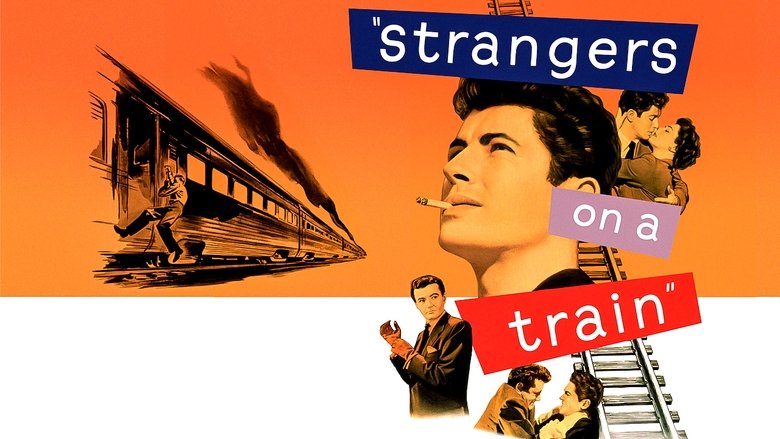
Shadow of a Doubt (1943) announced his full mastery of the form, transplanting noir's moral ambiguity to a picturesque California town where a beloved uncle harbors a serial killer's secret. The film became Hitchcock's personal favorite and established his signature technique: the violation of sanctuary, the corruption of the innocent, the terrible knowledge that evil wears a familiar face. Strangers on a Train (1951) refined this formula into a brilliant exercise in crossed destinies and psychological coercion, where two strangers become bound by a murder neither fully intended. These works revealed noir as a genre not merely about crime, but about the fragility of identity and the burden of knowing too much.
Vertigo (1958), though sometimes classified beyond pure noir into psychological thriller territory, represents the apotheosis of Hitchcock's noir vision–a descent into obsession, manipulation, and the protagonist's complicity in his own destruction. The film transforms San Francisco itself into a dreamscape of repetition and doubling, where the city's famous geography becomes a maze of psychological entrapment. Working with cinematographer Robert Burks and composer Bernard Herrmann, Hitchcock created a visual and sonic language that made the interior world visible, translating neurosis and desire into startling formal innovation. His influence on the trajectory of noir was profound: he proved the genre could accommodate complex psychological study and visual poetry without sacrificing narrative momentum.
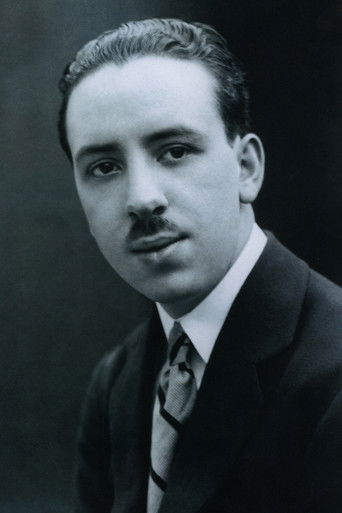
Hitchcock's legacy in noir cinema rests not on his crime-story credentials but on his demonstration that the genre's true subject was human nature itself. His meticulous control of mise-en-scène, his innovative use of camera movement and editing, and his ability to make the viewer complicit in transgression established new possibilities for serious filmmaking within genre constraints. By the end of the 1950s, Hitchcock had become synonymous with suspense itself, yet his noir period remains essential for understanding how the genre evolved beyond its hardboiled origins into something more philosophically ambitious.
Hitchcock elevated noir beyond urban cynicism into the realm of psychological terror, transforming the genre into an exploration of guilt, complicity, and the darkness lurking beneath American domesticity. His protagonists are ordinary people ensnared by circumstance or their own moral weakness, forced to confront both external threats and their inner demons. Where classic noir protagonists battle external corruption, Hitchcock's characters battle themselves.