Films People Pull a Fast One Night Beat Reading Room On TV Shop
Actor · The Lethal Blonde

Alan Ladd

BornSeptember 3, 1913, Hot Springs, Arkansas
DiedJanuary 29, 1964, Palm Springs, California
Noir Films14 films
Peak Years1942–1950
Photo: TMDB
Scroll

Alan Walbridge Ladd was born in Hot Springs, Arkansas, to a family of modest means. His childhood proved unstable; his father abandoned the family early, and his mother struggled to provide. The young Ladd worked odd jobs and pursued acting with quiet determination, studying dramatics in Los Angeles during the Depression. His early years were marked by rejection and minor roles, a period of obscurity that would later inform the world-weary quality he brought to noir protagonists.

Ladd's breakthrough arrived explosively with This Gun for Hire in 1942, where his collaboration with director Frank Tuttle and the alluring Veronica Lake created an immediate sensation. His portrayal of the professional killer Raven established the archetype he would refine throughout the 1940s: the compromised man of violence whose code of honor sets him apart from common criminals. The chemistry with Lake became legendary, and the studio rushed them into subsequent vehicles, though few matched the original's austere perfection.

He had a way of suggesting that killing was just another job, but one that cost him something inside. – Film noir historian Eddie Muller

Throughout the mid-1940s, Ladd became Paramount's most reliable noir asset, delivering performances of glacial intensity in films like The Blue Dahlia and The Glass Key. His acting style–minimal gesture, steady gaze, clipped dialogue delivery–suggested psychological depths beneath an impassive exterior. Directors recognized that Ladd's very ordinariness, his slight frame and gentle face, created an unsettling contrast with the violence he perpetrated, making him uniquely suited to exploring noir's moral ambiguities.
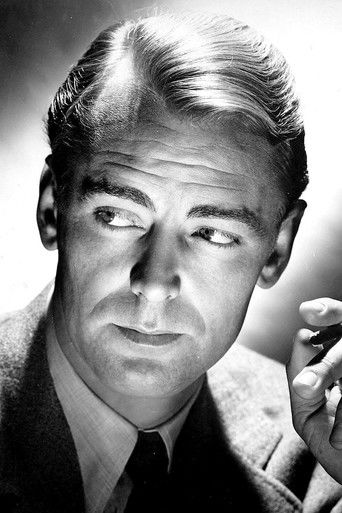
Alan Ladd

By the 1950s, Ladd's noir moment had begun to fade as the cycle itself waned, though he continued to work prolifically in adventure and Western pictures. His legacy rests firmly on those compact, efficient thrillers of the forties, where his laconic presence and suppressed intensity defined an entire archetype. Ladd remains the thinking viewer's noir killer–brutal yet reflective, a small man who cast a long shadow across American cinema.

Noir Archetype The Compact Killer

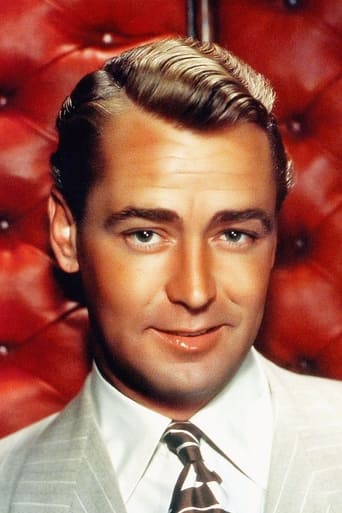
Ladd embodied the dangerous yet sympathetic assassin–a small man with a cold, efficient demeanor who nevertheless harbored moral complexity beneath his emotionless surface. His diminutive stature paradoxically amplified his menace, making him the perfect noir protagonist caught between duty and conscience.
The Scene That Defines Them

This Gun for Hire
This Gun for Hire – 1942

Raven's Betrayal and Revenge

Third act; approximately 1 hour 10 minutes

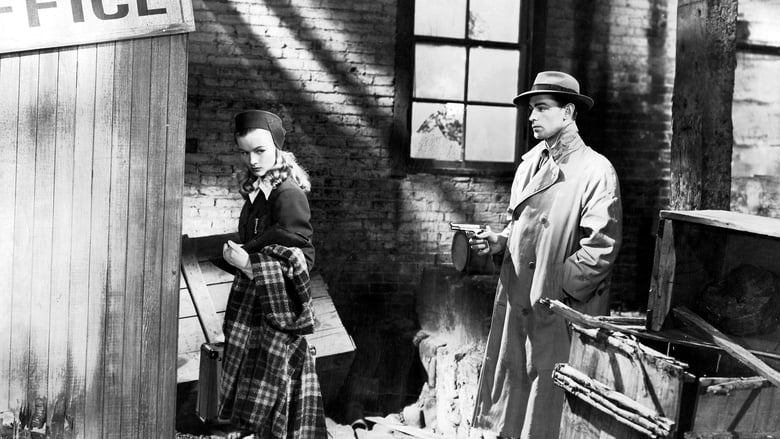
In the film's climactic sequences, Ladd's Raven–a hired killer double-crossed by his employers–pursues his betrayers with quiet, methodical fury. His face remains almost expressionless as he closes in on revenge, speaking in a flat, affect-drained monotone that transforms ordinary dialogue into something menacing. This scene crystallizes Ladd's noir essence: a man of violence rendered sympathetic not through redemption but through the clarity of his code and the injustice done him.

I've been double-crossed before.

The Noir Canon

YearFilmRoleDirector
1942This Gun for HireRavenFrank TuttleEssential
1946The Blue DahliaJohnny MorrisonGeorge MarshallEssential
1942The Glass KeyEd BeaumontStuart HeislerEssential
1951Appointment with DangerAl GoddardLewis AllenRecommended
1949Chicago DeadlineEd AdamsLewis AllenNotable

The Road In

1913
Born in Hot Springs, Arkansas

Alan Walbridge Ladd entered the world in modest circumstances; his father would abandon the family within years, leaving his mother to raise him alone.

1931
Moves to Los Angeles; pursues acting

Ladd enrolled in dramatics classes and began auditioning during the Great Depression, landing only minor uncredited roles in studio productions.

1942
Marries Sue Carol

Ladd married actress and agent Sue Carol, who would become instrumental in managing his career and lobbying studios for better roles.

1942
Breakthrough in This Gun for Hire

At age 29, Ladd achieved stardom opposite Veronica Lake, creating an iconic partnership and defining the noir killer archetype for a generation.

1946
The Blue Dahlia released; peak recognition

Ladd consolidated his noir supremacy with this acclaimed wartime thriller, establishing himself as Paramount's premier tough-guy actor of the moment.

1946
Multiple noir releases; franchise status

With The Glass Key and other releases, Ladd became so synonymous with noir that studios saturated the market, beginning audience fatigue with his persona.

1950
Noir cycle begins its decline

As postwar audiences shifted and television emerged, the noir genre lost commercial momentum; Ladd's unique talents became less marketable.

1951
Appointment with Danger marks late-cycle work

This FBI thriller represented Ladd's last significant noir vehicle, showcasing his refined technique but reaching a shrinking audience.

1955
Transitions to Westerns and adventure films

Ladd increasingly abandoned noir and crime pictures for Westerns and action vehicles, seeking to extend his declining leading-man career into new genres.

1964
Dies in Palm Springs, California

Ladd passed away at age 50 from complications related to alcohol and drug use, his health ravaged by years of personal struggles and studio pressure.