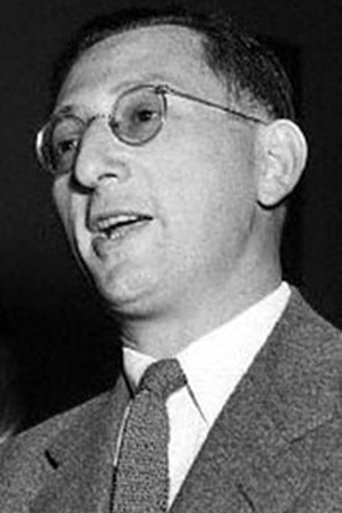
Abraham Lincoln Polonsky was born in New York City in 1910, the son of immigrant Russian Jewish parents. He studied at City College and Columbia University, later earning a doctorate while working as a teacher and writer. Before his film career, Polonsky published novels and worked extensively in radio and theatrical production, developing a sophisticated understanding of narrative and character. His early interests in social justice and labor movements would profoundly shape his artistic vision, creating a foundation for the ideological rigor that would define his noir masterpieces.
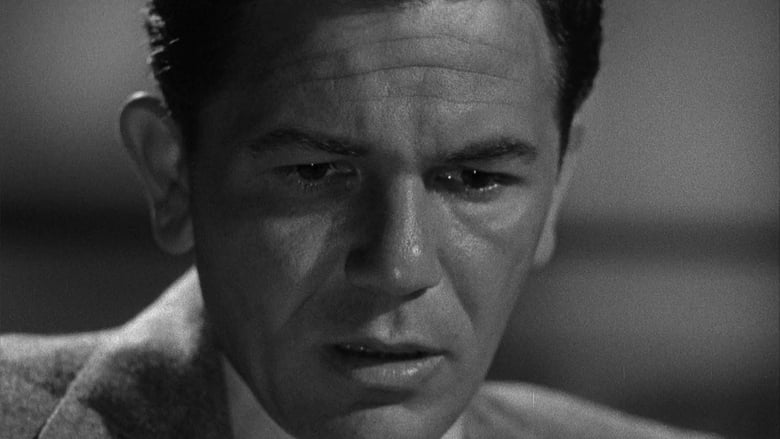
Polonsky entered Hollywood as a writer in the 1940s, crafting screenplays that balanced commercial appeal with intellectual substance. His directorial debut, *Force of Evil* (1948), announced a major talent–a film of extraordinary moral complexity that used the numbers racket as a lens for examining corruption, greed, and the failure of individual conscience. Working with cinematographer George Barnes and composer David Raksin, Polonsky created a visual and sonic language of urban dread that transcended typical crime-picture conventions. The film's dense dialogue, philosophical underpinnings, and expressionist imagery marked him as a director of unusual depth and ambition.
His collaboration with producer Bob Roberts on *Body and Soul* (1947), for which he wrote the screenplay, showcased a different but equally powerful approach to noir sensibility. The boxing picture became a classic through its unflinching portrait of corruption in sports and society, its refusal to sentimentalize its protagonist's moral compromise, and its commitment to working-class authenticity. Polonsky's scripts combined hard-boiled vernacular with literary sophistication, creating dialogue that revealed character while advancing thematic argument. His heroes were conflicted men trapped in systems larger than themselves–a vision that resonated deeply with postwar American audiences experiencing their own crisis of faith.
Polonsky's career was interrupted by the McCarthy-era blacklist, which devastated his prospects in the 1950s due to his political affiliations and outspoken progressive views. Though he returned to filmmaking in later decades, his classic noir period–1947 to 1950–remains his most vital contribution to cinema. He demonstrated that genre films could be vehicles for serious artistic and political thought, influencing generations of directors who sought to embed social consciousness within popular entertainment. His legacy endures as a testament to noir's capacity for moral seriousness and ideological commitment.
Polonsky brought ideological weight and moral complexity to noir, infusing crime narratives with social critique and working-class dignity. His films interrogate systemic corruption rather than individual pathology, making capitalism itself the true villain. He represents the noir director as public intellectual, unafraid to challenge power structures through genre cinema.