Films People Pull a Fast One Night Beat Reading Room On TV Shop
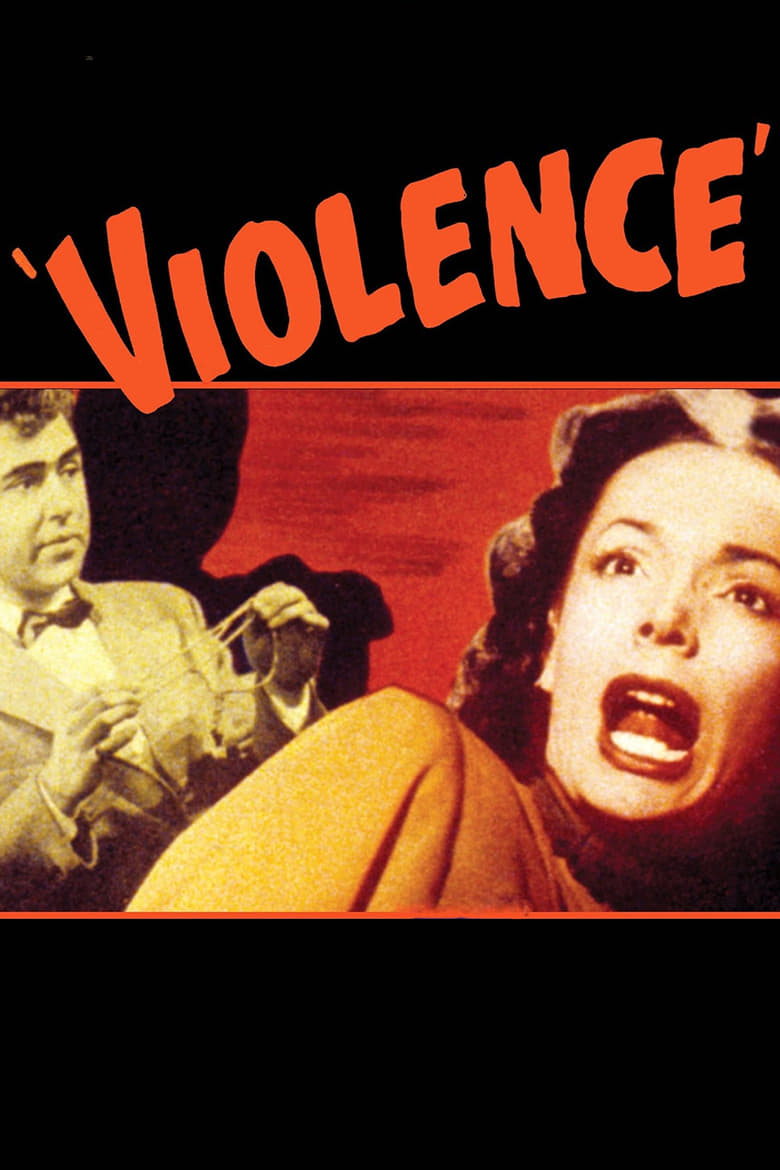
Violence 1947
1947 Bernhard-Brandt Productions
★★★☆☆ Notable
Film Noir · 72 minutes · Black & White

Violence

Directed by Jack Bernhard
Year 1947
Runtime 72 min
Studio Bernhard-Brandt Productions
TMDB 5.5 / 10
"A woman with two names walks into a country that believes every word she says."

Ann Dwire, traveling under the alias Ann Mason, arrives in a small American city drawn into the orbit of a slick political front organization called United Defenders. The group's charismatic operatives, led by the smooth and dangerous Fred Stalk, are running a racket beneath the patriotic veneer – extracting money and loyalty from credulous citizens while building the kind of leverage that turns neighbors into instruments. Ann, a journalist, is there to expose them, but the deeper she moves into the organization's confidence, the more precarious her cover becomes.

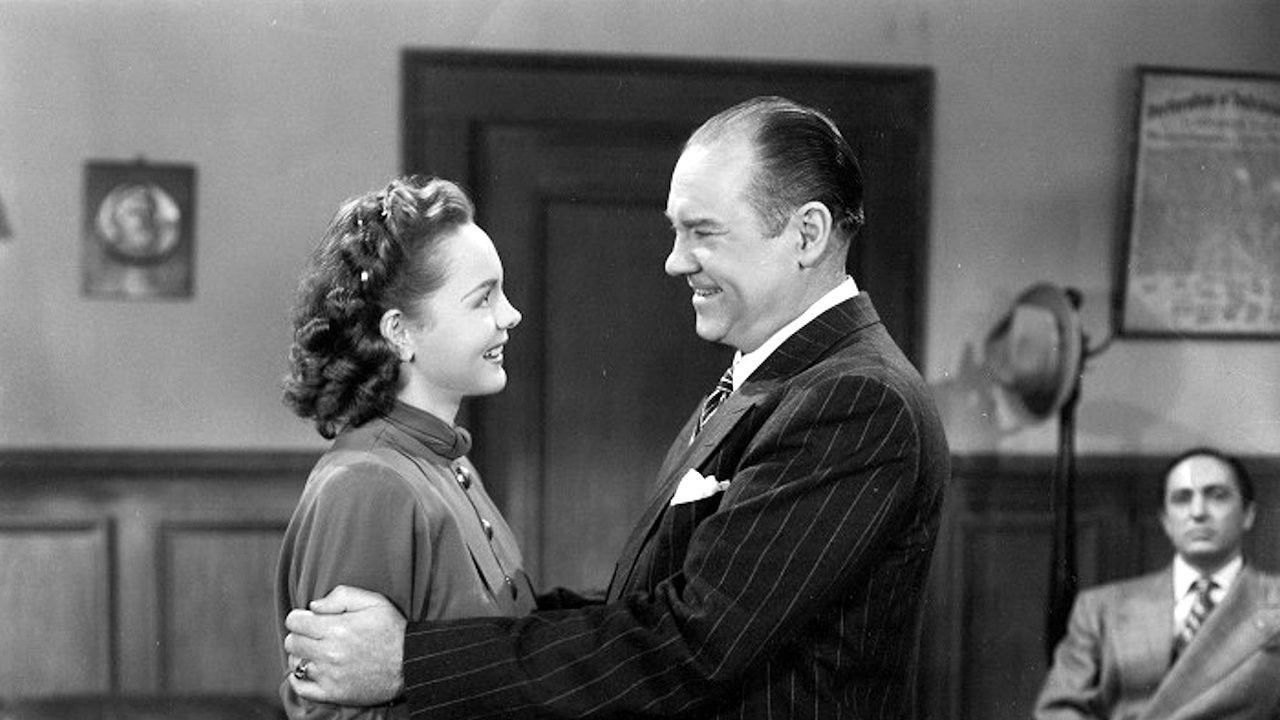
Steve Fuller, a veteran with a straight-arrow disposition and no particular appetite for trouble, falls for Ann without knowing who she really is or what she is doing there. His attachment complicates her mission and introduces a competing claim on her choices: the story, or the man. Meanwhile, Stalk's enforcer Joker – a blunt, physical presence – grows suspicious of Ann's origins, and True Dawson, the organization's figurehead, begins to sense that someone inside is working against them. Allegiances shift and the organization's internal logic of surveillance and coercion turns inward.

Violence belongs to the cycle of postwar noirs that treated fascist or quasi-fascist domestic movements as both genuine social threat and convenient genre machinery. The film uses the front organization as a compressed image of manipulation and false community, themes that carried specific weight in 1947, when the question of what Americans had just fought against – and what had survived the war at home – was still raw. The result is a B-picture with a sharper ideological edge than its budget might suggest.
Classic Noir

Violence arrives in 1947 at a moment when Hollywood's B-noir cycle was absorbing the anxieties of demobilization and the early Cold War in equal measure. Jack Bernhard, working within the tight constraints of Bernhard-Brandt's independent production model, constructs a film that is less interested in criminal psychology than in the mechanics of political manipulation. The United Defenders function as a stand-in for any number of real postwar organizations – nativist, populist, vaguely authoritarian – and the film's willingness to frame them as a criminal enterprise rather than a misguided civic movement gives it a harder edge than the era's more cautious studio product. Sheldon Leonard's Fred Stalk is the film's most precisely drawn figure: charming at the surface, expedient underneath, the kind of man who believes in the organization only as long as it serves him. Nancy Coleman carries the procedural weight of the narrative without the film romanticizing her jeopardy. At 72 minutes, Violence does not overstay its argument.

– Classic Noir
3 ★★★☆☆ Notable
Credits

The Crew

DirectorJack Bernhard
ScreenplayLewis Lantz
CinematographyHenry Sharp
MusicEdward J. Kay
EditingJason H. Bernie
ProducerJack Bernhard
Performances

The Cast

Close Reading

The Signature Scene

Violence – scene
The Meeting Hall Faces in Arranged Light

Henry Sharp frames the rally sequence from a low angle, placing the speaker's podium against a bare wall from which a single overhead fixture throws a hard cone of light downward, leaving the edges of the hall in near-total darkness. The faces of the audience are caught in the spill – half-lit, anonymous, turned upward in expressions that could be belief or simple attention. Sharp does not editorialize with the camera's position, but the compression of the frame and the deliberate flatness of the peripheral darkness make the gathered crowd feel sealed off from any world outside the room.

The scene concentrates the film's central argument: that organized persuasion depends on the management of what is visible and what is withheld. Ann, positioned among the crowd, watches the performance from inside it, and the visual logic of the sequence – controlled light, obscured faces, a single authoritative figure at the source of illumination – maps the power structure the film is investigating. The audience is not shown as villainous; it is shown as available, which is a colder observation.

Visual Language

The Cinematography

🎞️
Henry Sharp – Director of Photography

Henry Sharp, whose career stretched back to silent-era work and included a range of poverty-row and independent productions, brings a functional economy to Violence that serves the film's subject. Working on the compressed schedule and budget typical of Bernhard-Brandt, Sharp relies on high-contrast interior lighting that makes institutional spaces – meeting halls, back offices, apartment corridors – feel simultaneously ordinary and constricting. He avoids the baroque shadow geometry of the major studio noirs in favor of harder, more utilitarian setups: practicals used as motivated sources, deep focus in wide interiors that allows blocking to carry meaning without camera movement, and a recurring use of doorways and thresholds as compositional frames that underline the film's interest in access and exclusion. Location material is minimal; the studio work is dressed to suggest the generic American city that makes the story's warning feel general rather than local. The visual language does not glamorize the criminal world it depicts, which reinforces the film's argument that this particular kind of danger wears an ordinary face.

In the Catalogue

Themes & Motifs

Availability

Where to Watch

Also in the Directory

See Also