Films People Pull a Fast One Night Beat Reading Room On TV Shop
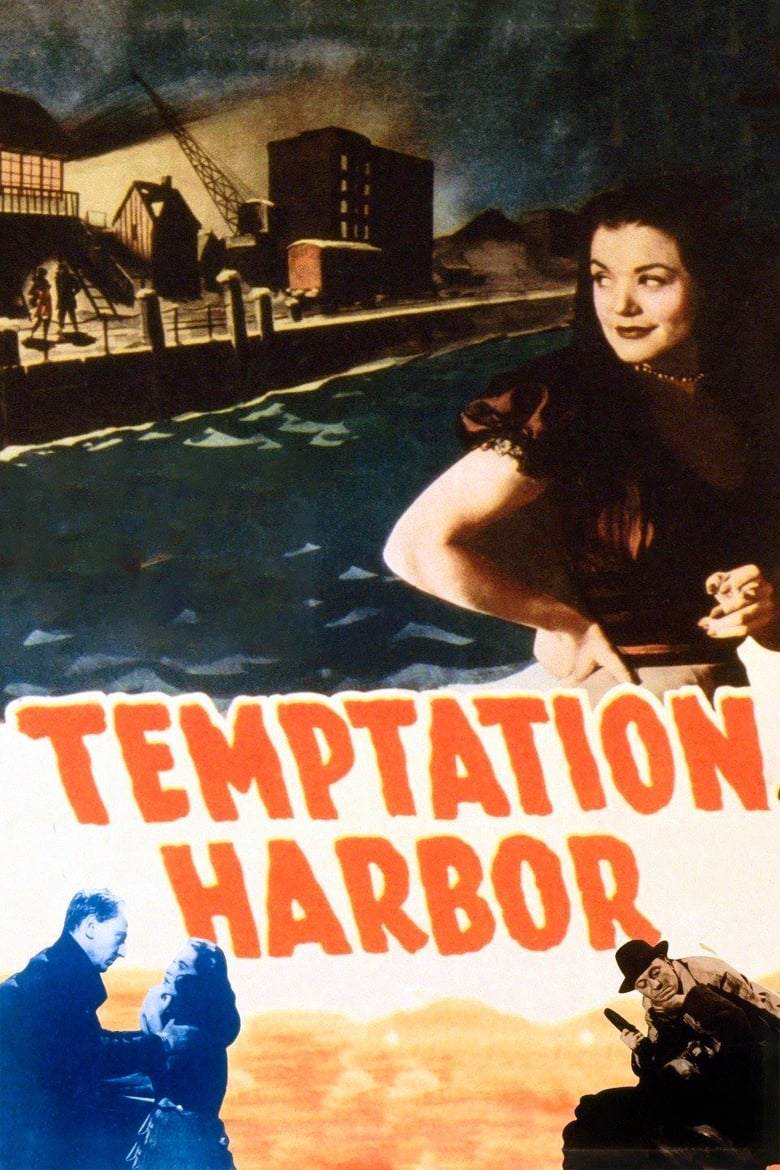
Temptation Harbour 1947
1947 Associated British Picture Corporation
★★★☆☆ Notable
Film Noir · 91 minutes · Black & White

Temptation Harbour

Directed by Lance Comfort
Year 1947
Runtime 91 min
Studio Associated British Picture Corporation
TMDB 5.4 / 10
"A honest man finds the money, and the money finds him out."

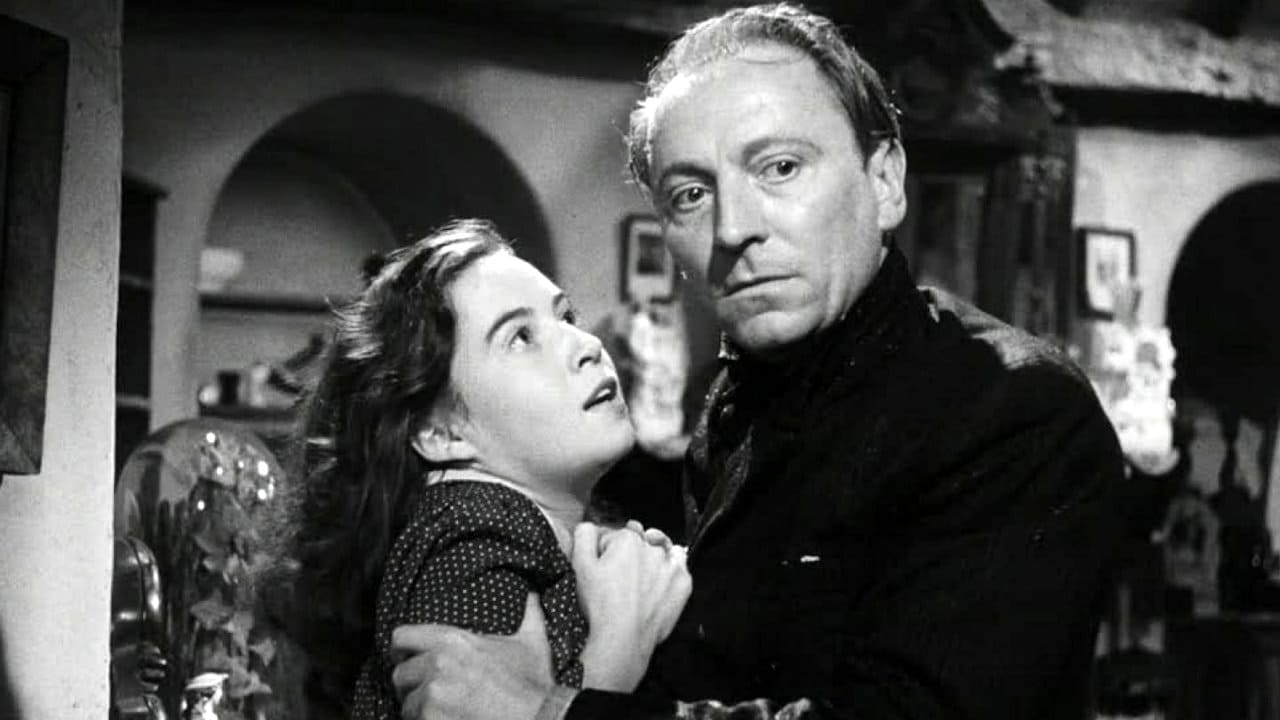
Bert Mallinson is a railway signalman living a quiet, ordered life in a small English coastal town, raising his teenage daughter Betty after the death of his wife. One night, while working the signal box, he witnesses a fight on a ferry and recovers a bag of money from a man who falls into the harbour and drowns. The dead man, it emerges, was a petty criminal carrying stolen cash. Bert tells no one. He keeps the bag.

Into Bert's life comes Camelia, a young French woman connected to the dead man, who is searching for the money and who quickly understands that Bert knows more than he admits. A calculating criminal named Jim Brown also arrives in town, pressing closer to the truth with a menace that Bert lacks the experience to counter. Bert's attempts to protect his daughter, maintain his respectability, and hold onto the money pull him in incompatible directions, and the local inspector, Dupré, begins asking questions that have no safe answers.

Temptation Harbour belongs to the strand of British noir that locates moral collapse not in the city but in the ordinary. Where American noir frequently begins with corruption, this film charts the process of a decent man choosing, step by incremental step, to become something else. The harbour setting – fog, tidal rhythms, the hum of the signal box – gives the film its atmosphere, and Robert Newton's performance keeps the central contradiction credible: sympathy and condemnation held in the same frame.
Classic Noir

Temptation Harbour occupies a modest but secure position in the postwar British noir cycle, a film less interested in crime mechanics than in the moral erosion of an ordinary working man. Lance Comfort directs without ostentation, which is precisely the point: Bert Mallinson's world is mundane, and the film refuses to glamorise his transgression. Robert Newton, capable of considerable flamboyance, plays Bert with unusual restraint, and the performance earns the film's quiet tragedy. Simone Simon – whose work in Cat People had already established her association with dangerous femininity – is deployed here with careful economy; Camelia is neither femme fatale nor victim, which makes her genuinely unsettling. The film's postwar setting is not incidental: the money Bert finds represents a life the austerity years have made structurally impossible for a man of his class, and the film understands that the temptation is systemic before it is personal. Heller's cinematography reinforces this throughout, grounding the expressionist shadow work in recognisably real locations.

– Classic Noir
3 ★★★☆☆ Notable
Credits

The Crew

DirectorLance Comfort
ScreenplayRodney Ackland
CinematographyOtto Heller
MusicMischa Spoliansky
EditingLito Carruthers
Art DirectionCedric Dawe
ProducerVictor Skutezky
Performances

The Cast

Close Reading

The Signature Scene

Temptation Harbour – scene
The Signal Box at Night The Bag Left Behind

Otto Heller frames the signal box as a lit cell suspended above the dark harbour, a small rectangle of institutional light against a field of black water and fog. When Bert descends to investigate the commotion on the dock below, the camera follows at a cautious distance, staying wide long enough to emphasise his smallness against the industrial landscape. The recovery of the bag is shot without dramatic cutting – a single, nearly static composition in which Bert crouches, looks, and makes his decision while the water settles around him.

The refusal to dramatise the moment is the scene's argument. There is no swelling music, no close-up of greed dawning in Newton's eyes. The scene understands that real moral failure rarely announces itself; it arrives in stillness, in the absence of anyone watching, in the simple fact that the man who should report the money does not. Everything that follows in the film is contained in that pause beside the water.

Visual Language

The Cinematography

🎞️
Otto Heller – Director of Photography

Otto Heller, who would later photograph The Ladykillers and Peeping Tom, brings to Temptation Harbour a disciplined approach that refuses to let expressionist technique overwhelm the film's social realism. His work here is characterised by the management of available and near-available light sources – the signal lamps, the harbour lanterns, the domestic interiors of working-class homes – rather than the imposed chiaroscuro of the studio thriller. Shadows fall with reason, motivated by architecture and weather rather than moral commentary imposed from outside. Where darkness is used expressively, it is in contexts the narrative earns: the dockside, the moments of concealment, the scenes in which Bert moves through town with the knowledge of what he has done. Heller's lens choices keep faces close enough to register ambivalence without tipping into melodrama. The coastal location work lends the film a texture that studio-bound British productions of the period often lack, and the integration of location and studio material is handled with care.

In the Catalogue

Themes & Motifs

Availability

Where to Watch

Also in the Directory

See Also